

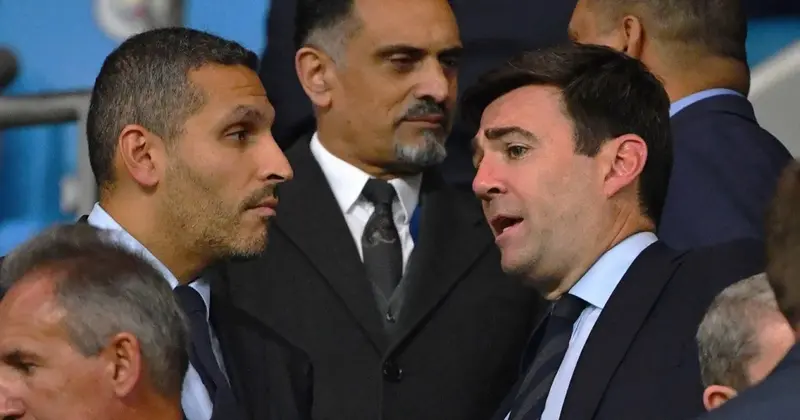
Manchester City faces a possible fine or points deduction after an independent commission found the club guilty of 114 of 115 alleged breaches of Premier League financial regulations. The case covers nearly a decade, and the club denies wrongdoing.
The commission reportedly found that City used what it called “sham contracts” with commercial partners to conceal secret funding worth more than £830 million. Separately, the Premier League said the alleged practices inflated revenues and understated expenses by more than £900 million over nearly a decade. The figures refer to different descriptions of the financial allegations and have not been reconciled in the available accounts.
Appeal filed
Manchester City said it submitted its full appeal at 19:00 on Thursday, Oct. 1, one day before the Oct. 2 deadline. The club said the commission’s findings contained legal, procedural and factual errors and that it remained innocent of the charges. It said it had a complete set of evidence supporting its position.
Under new Premier League rules, the appeal hearing must take place within 12 weeks of the filing. It will be held privately before an independent three-member Appeal Board, selected by the chair of the Premier League’s judicial panel, and proceedings will remain confidential until publication of the outcome is authorised. A decision is expected within 30 days of the end of the hearing. The appeal comes before any final sanctions are imposed. Possible penalties include a substantial fine or a deduction of points, while the process could also involve claims for compensation from rival clubs and players.
On Friday, the Football Association said the verdict had “significant implications for the integrity of the game”. It said it was carefully considering the decision and its implications, would take action where appropriate and would continue to monitor developments.
Parliament seeks tax answers
The case reached Parliament on Thursday after Meg Hillier, chair of the House of Commons Treasury Committee, wrote to HM Revenue and Customs Permanent Secretary Jay Pee Marks. Hillier asked whether HMRC was aware of the commission’s findings, whether it had requested or received an unredacted copy of the report and what assessment it had made of possible tax implications.
HMRC can examine company tax returns and reject artificial transactions when they are used to reduce taxable income. It can also impose financial penalties when false declarations result in tax being underpaid. The practices alleged in the City case, however, would have artificially increased reported profitability and could therefore have led to higher tax payments rather than lower ones.
Hillier also asked for an overview of HMRC’s current work involving football clubs, including common tax issues such as the taxation of payments and how the authority is addressing them.
Political reaction
The case has also drawn Prime Minister Andy Burnham into a political dispute. In an interview with BBC political editor Chris Mason, Burnham said he would be “really concerned” if City’s United Arab Emirates owners sold the club. He said they had been a major partner in the development of modern Manchester and in turning the club into a global force.
Burnham said he could not intervene and that it would be wrong to reach a conclusion while City was contesting the allegations. Conservatives criticised his comments, while other politicians said the independent process should be protected from outside influence.
Downing Street clarifies position
Downing Street later said the judgment was serious and that there could be no suggestion that anyone was above the rules. A spokesperson said the independent process must be allowed to run its course and that its outcome must be respected. The statement added that wherever wrongdoing was established, those responsible should face appropriate consequences.
The wording was subsequently revised, replacing “if” wrongdoing was established with “wherever” wrongdoing was established. The episode increased scrutiny of the government’s position as the appeal proceeds.




Comments
Comments are closed.