

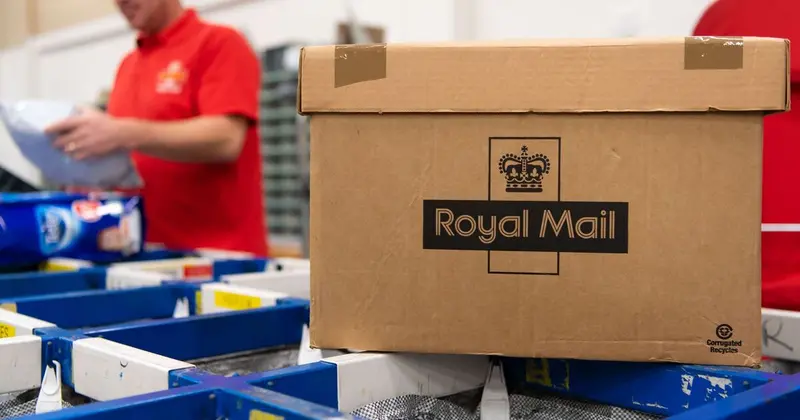
Royal Mail has warned people to watch for five types of scam message impersonating the postal service as Christmas shopping gets underway. The examples include texts about parcels supposedly returned to a facility and emails demanding a customs fee or asking recipients to confirm their address.
The messages direct people to websites that are not run by Royal Mail, where clicking a link could put personal or financial information at risk, the company said. It advised people to go to its official website themselves rather than follow links in messages.
Five messages to watch for
Royal Mail’s examples include three texts claiming a parcel has been returned to a local facility, is waiting at a warehouse or has been sent back to a handling facility. Each urges the recipient to visit a website, sometimes by a specified date.
The other two examples are emails. One says a parcel has reached customs and that a fee must be paid before delivery can proceed. The other says an attempted delivery failed because the address was incomplete, then asks the recipient to confirm their full address and arrange redelivery.
Royal Mail said scammers regularly change the wording, links, sender names and layouts of their messages, so new examples may not look exactly like those listed. It also warned that scam messages often claim there is a problem with a parcel and press recipients to act quickly. Urgency and panic are warning signs, the company said.
Seasonal warnings
Ofcom has also urged people to stay alert during the festive shopping season. Amy Jordan, the regulator’s strategy delivery director, said scammers take advantage of the period, when many people are expecting parcels and looking for bargains.
Ofcom estimates that fraud accounts for 45% of all reported crime incidents in England and Wales, with £1.28 billion lost to criminals in 2025. Its latest research found that four in 10 mobile phone users had received a suspicious message and 32% had received a suspicious call.
The government’s Stop! Think Fraud campaign lists unknown links, requests for personal data, unexpected delivery fees and language designed to create urgency or panic among the signs of a scam. The Royal Mail warning described in the report concerns texts, calls and emails; it does not identify a physical missed-delivery card bearing the wording “Something for you”.



Comments
To comment, sign in or create an account. Sign in Create an account
No comments yet.