


World leaders at the COP31 climate summit in Antalya have set out sharply conflicting priorities, leaving negotiators to try to build an agreement that all countries can accept. Small island nations are pressing for urgent emissions cuts, while other governments are calling for more climate finance, wider electrification or continued use of fossil fuels.
The divide comes as climate concerns compete with wars and inflation for political attention, according to a report from the talks. Australia’s negotiations president, Chris Bowen, said his role was to steer countries towards consensus, not demand a particular action, and that he still had hours of consultations ahead.
Disagreement over energy and finance
Turkey has proposed raising electricity’s share of global energy use to 35% by 2035, from a little over a fifth now. British Prime Minister Andy Burnham backed the proposal, but Turkey has not specified whether the additional electricity would have to come from renewable sources.
Developing countries renewed calls for richer nations to provide more funding to help them switch to cleaner energy, adapt to a warming climate and repair damage linked to climate change. Fossil-fuel-producing countries, meanwhile, argued that oil, gas and coal should continue to be used. Venezuela’s acting president, Delcy Rodriguez, said her country had a sovereign right to strengthen its energy and oil industry.
UN Secretary-General António Guterres took the opposing view, calling for an end to fossil fuels. He also urged governments to tax windfall profits made by oil and gas companies during the Iran war and use the money to help vulnerable countries recover.
Island leaders warn of overshoot
Leaders of small island states called for swift action to cut emissions. Saint Lucia’s Prime Minister Philip J. Pierre said major emitters must reduce emissions, while Marshall Islands President Hilda Heine warned that failing to respond forcefully to the risk of exceeding the Paris Agreement’s 1.5C temperature target would put island communities at risk from eroding shores and destructive floods.
Barbados Prime Minister Mia Mottley said that even if every climate pledge were met, the world was heading for 2.6C of warming; under current policies, she said, the figure would be 2.8C. A UN report last month found the world was already on course to exceed the 1.5C limit. The UN Environment Programme has said such an overshoot is now inevitable and should be kept as brief and limited as possible.
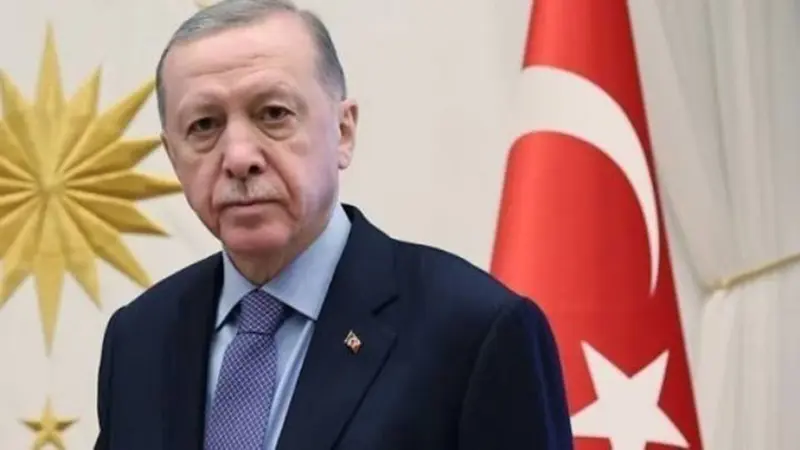
Turkey and Australia are co-hosting the summit, and their leaders, Recep Tayyip Erdoğan and Anthony Albanese, have praised the partnership. The UN said 91 national leaders attended; US President Donald Trump and Chinese President Xi Jinping were absent. Whether negotiators can turn the competing demands into an agreed outcome remains unresolved.

Comments
To comment, sign in or create an account. Sign in Create an account
No comments yet.