

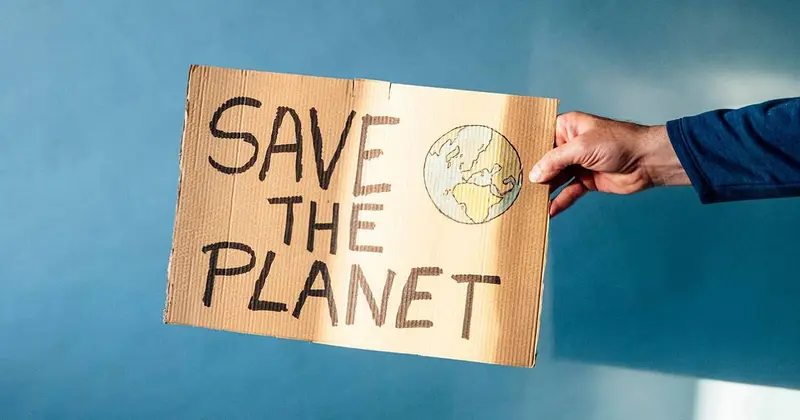
The world can no longer keep global warming below 1.5°C without exceeding that threshold, the UN Environment Programme said in its annual emissions report released October 21. It called for urgent cuts in greenhouse gases to limit the scale and duration of the overshoot.
The report sets out a path that could bring temperatures back to 1.5°C above pre-industrial levels by 2100. But that outcome has only about a 50% chance of success and would require removing large quantities of carbon dioxide from the atmosphere.
A smaller overshoot requires much deeper cuts
Under the report’s lowest-overshoot scenario, warming would peak at 1.7–1.8°C above pre-industrial levels around the middle of the century. Achieving that would require global greenhouse-gas emissions to fall 18% by 2030, 45% by 2035 and 69% by 2040, all measured against 2025 levels.
Countries’ existing climate pledges fall well short of those reductions. Even if fully implemented, they would cut emissions by only 5–8% by 2030 and 11–15% by 2035, the report said.
Those emissions cuts would also have to be accompanied by large-scale removal of carbon dioxide. UNEP said it remains uncertain whether removal could be carried out on the scale needed to bring temperatures back down.
Current policies point to 2.8°C of warming
If countries continue with their current policies, the report projects warming of 2.8°C by 2100. Fulfilling all existing national climate pledges would lower that projection to 2.6°C.
Both estimates are higher than last year’s. UNEP linked the revisions to the United States’ withdrawal from the Paris Agreement and changes in estimates of historical greenhouse-gas emissions.
New climate plans submitted since last year have made almost no difference to projected warming, the report said. UNEP executive director Inger Andersen said the major effort needed to meet the 1.5°C goal had not materialised and the window to avoid crossing it had closed.
UN urges countries not to give up
UN Secretary-General António Guterres said missing the target was not a reason to abandon efforts to cut emissions. He said countries could still keep the overshoot as small and brief as possible and bring temperatures below 1.5°C by the century’s end.
The report also identified progress since the 2015 Paris Agreement. Renewable energy has expanded rapidly, while energy supplied by coal and oil has grown more slowly than projected. Climate policies have reduced emissions in many places.
The findings come ahead of COP31, the next UN climate conference, scheduled for November 9–20 in Turkey.



Comments
To comment, sign in or create an account. Sign in Create an account
No comments yet.