

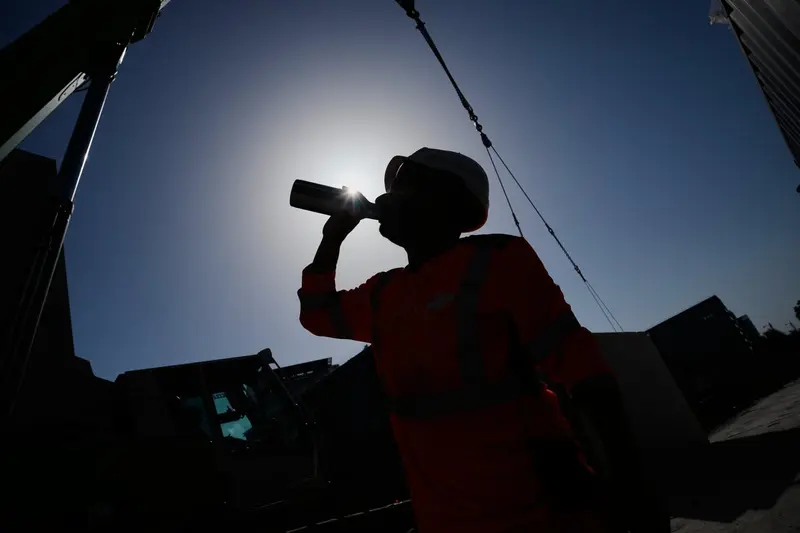
Summer heat caused an estimated 50,400 deaths across European cities between June and August 2026, researchers have found. They attributed about 32,600 of those deaths to the extra heat caused by human activity, mainly burning fossil fuels.
The analysis, by scientists at Imperial College London and the London School of Hygiene & Tropical Medicine, puts this summer’s toll at the highest since 2000. It exceeded the previous peak of about 29,500 deaths in 2022 by 71%.
The research covered 854 cities and urban areas across all 27 European Union countries, plus the United Kingdom, Norway and Switzerland. Those areas account for about 40% of the population in the countries studied.
Older people bore the greatest toll
More than half of the estimated deaths were among people aged 85 or older, according to study co-author Garyfallos Konstantinoudis. But the impact extended across age groups: more than 800 deaths were estimated among people aged 20–44.
About one-third of the deaths occurred during a particularly intense heatwave from June 17 to July 1. Temperatures during that period averaged about 5.3°C above normal, the researchers said.
Southern and western Europe had the highest tolls. Italy’s studied urban areas had an estimated 13,300 heat-related deaths, followed by France with 7,300 and Spain with 6,800. Germany had about 6,300 and the UK about 4,400.
In the 90 Spanish cities examined, researchers attributed roughly 5,200 deaths to human-caused warming. That represented 77% of the estimated heat-related deaths in those cities, compared with about 65% across the full study.
How researchers estimated the deaths
The findings were reported in two peer-reviewed papers in the scientific journal Nature Health. The figures are statistical estimates rather than an official count of death certificates naming heat as a cause.
The team combined temperature records with established models linking heat and mortality. They then compared the results with a simulated climate without human-caused warming to estimate its contribution to the toll.
Konstantinoudis, a biostatistician at Imperial College London, said heat’s role in deaths is often underreported or omitted from death certificates. For UK heatwaves in May and June, the team’s method estimated 2,700 excess deaths, close to the national health statistics agency’s estimate of 2,800.
The study does not provide a complete European death toll. It covers selected urban areas and excludes a deadly May heatwave, so the authors said the estimate may understate the wider impact.
Warnings and cooling alongside emissions cuts
Outside experts called for measures to protect people during increasingly dangerous heat. Courtney Howard, president-elect of the Canadian Medical Association, urged investment in early-warning systems, access to cooling and neighbourhood support for those most at risk.
Jonathan Patz, a professor of health and the environment at the University of Wisconsin–Madison, also called for better cooling and protection for vulnerable people. Both said those measures must be accompanied by rapid reductions in fossil-fuel use.




Comments
To comment, sign in or create an account. Sign in Create an account
No comments yet.