
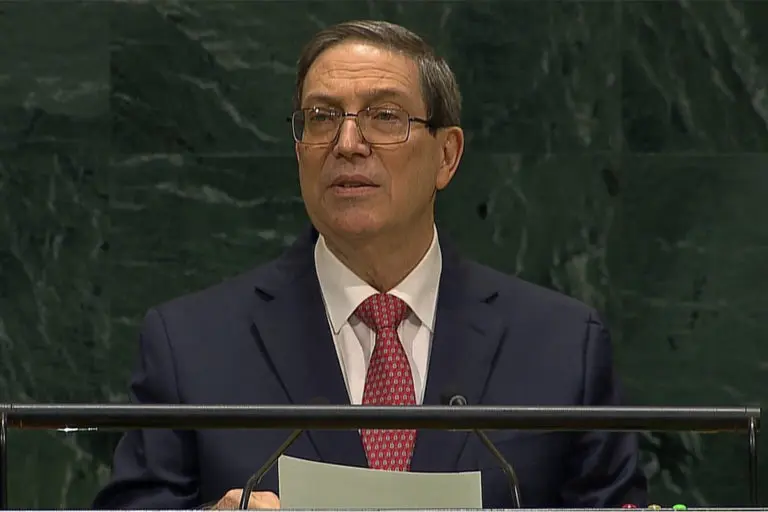
Cuba accused the United States of intensifying economic and energy pressure on the country at the 81st session of the UN General Assembly. Cuban Foreign Minister Bruno Rodríguez stated that the de facto oil embargo, U.S. sanctions, and pressure on companies and governments to limit or sever ties with Havana have had “dramatic consequences” for the population.
According to the Cuban minister, these measures have exacerbated the economic and energy crisis on the island, which, according to data cited in his speech, is home to 9.4 million people. Rodríguez also stated that the threat of military force against Cuba by the United States persists and called it a violation of international law. At the same time, he emphasized that Havana is open to dialogue.
Containers of goods remain in foreign ports
Rodríguez cited the delay in deliveries of essential goods as one of the consequences of U.S. pressure. According to him, more than 7,000 containers of food, medicine, and medical equipment are stuck in ports in other countries and cannot reach Cuba.
The reports do not provide independent confirmation of the number of containers or specify exactly which ports they are in. This information was cited by the Cuban minister as part of his criticism of Washington’s policies.
The reports also state that U.S. measures have influenced the decisions of international companies operating in Cuba. Citing The New York Times, Greek media outlets report that a number of firms have withdrawn their investments and operations on the island, fearing possible consequences. No details are provided about these companies or the scope of the projects that have been scaled back.
Trump Open to a Deal with Havana
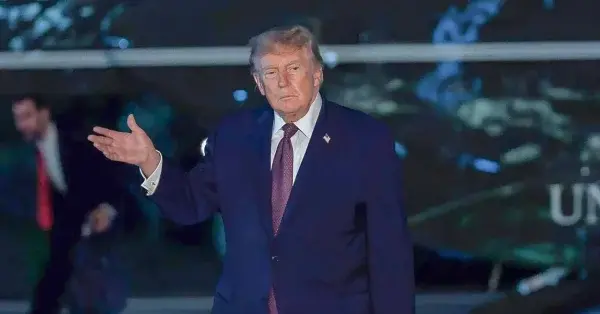
Shortly before Rodríguez’s speech, U.S. President Donald Trump stated that Washington and Havana could strike a “deal.” “I would say that Cuba and we will strike a deal. I don’t think we’ll need military force. We want to help,” said the U.S. president. He did not specify what kind of agreement he was referring to, nor did he elaborate on possible terms.
Thus, the statements from both sides had different emphases: the Cuban minister spoke about the consequences of sanctions and the threat of a military scenario, while Trump publicly left open the possibility of a negotiated solution. The materials presented do not contain any information about negotiations that have begun or agreed-upon measures between the two countries.
Relations between Washington and Havana remain tense
According to reports, following Trump’s return to the White House, U.S.-Cuba relations—which had remained tense for a long time—have deteriorated. In recent months, the U.S. administration has announced new sanctions against Havana, and pressure on the oil sector—as claimed by Cuban authorities—has further complicated the situation in the economy and energy sector.
The U.S. president has previously characterized Cuba as a threat to U.S. national security and has suggested the possibility of establishing control over the country. Greek media outlets also report that Washington is seeking regime change on the island. The reports cited do not separately present the U.S. administration’s position on these allegations.
Rodríguez’s remarks came amid growing social and economic tensions in Cuba. The crisis had already been accompanied by protests over power outages, water shortages, rising food prices, and the deterioration of the healthcare system. Havana’s latest statements attribute the worsening situation to external pressure, while Washington has so far publicly spoken of the possibility of an agreement without disclosing its details.

Comments
To comment, sign in or create an account. Sign in Create an account
No comments yet.