European Commission creates EU Sanctions Office and names Danielsson envoy
The European Commission has created an EU Sanctions Office and appointed Lars Danielsson as International Special Envoy for the Implementation of EU Sanctions. Danielsson will take up the post on 6 February 2027, when David O’Sullivan’s mandate ends.
Official statement · Еврокомиссия · published Nov 18, 10:29 UTC · original document
The Commission said the office will bring together its expertise across the sanctions lifecycle, including policy design, implementation, enforcement and efforts to prevent circumvention. It will support the envoy’s work with third countries and help coordinate sanctions with EU Member States. The Commission said its work will cover all sanctions regimes, particularly those concerning Russia and Belarus, as well as Iran, North Korea, Syria, hybrid threats and organised crime.
President Ursula von der Leyen said: “EU sanctions are a central part of our response to Russia's war of aggression against Ukraine.” She added that sanctions “must be fully implemented, rigorously enforced and protected against circumvention” to be effective. The Commission said the office will support Member States with compliance guidance, data sharing, and economic and technical analysis.
The Commission also welcomed a provisional agreement between the European Parliament and the Council on faster permitting for electricity grids and clean-energy infrastructure. The text still requires formal adoption by both institutions. Separately, Iceland and Norway will join the Carbon Border Adjustment Mechanism (CBAM): it will apply to goods imported into their customs territories from 1 January 2027. The Commission also opened the 2027 Erasmus+ call, with a budget of over €5.3 billion. It expects the call to provide learning mobility for an estimated 1.6 million participants and support over 120,000 organisations.
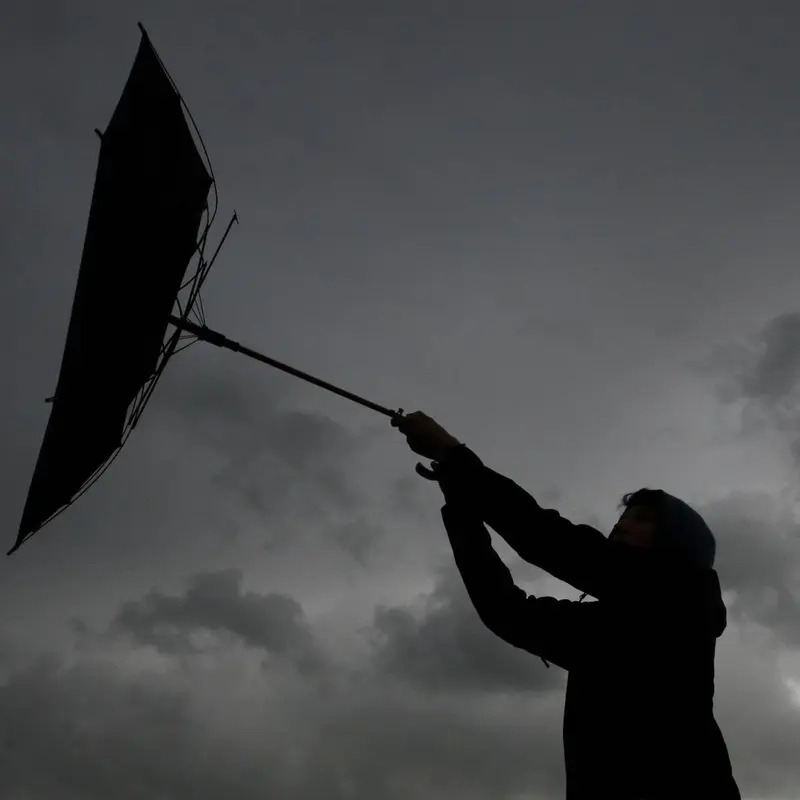
Strong gusts and persistent rain are affecting western and southern Germany. Authorities warn of possible flooding in northern Bavaria this week, while river levels are…
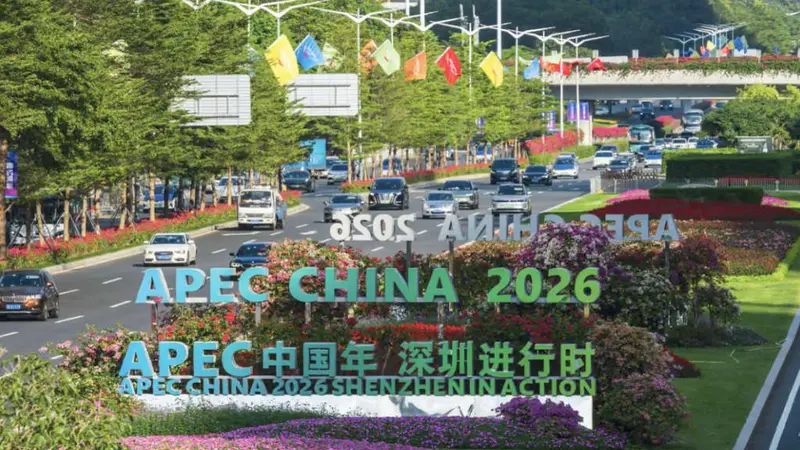
Xi Jinping and Vladimir Putin criticized Western economic pressure at the APEC summit in Shenzhen, hours before planned talks with Donald Trump. Trade, Ukraine and…
European Commission President Ursula von der Leyen proposed an Instrument for Coordinated Support to Ukraine, which would provide €45 billion in 2027. She said the loan…
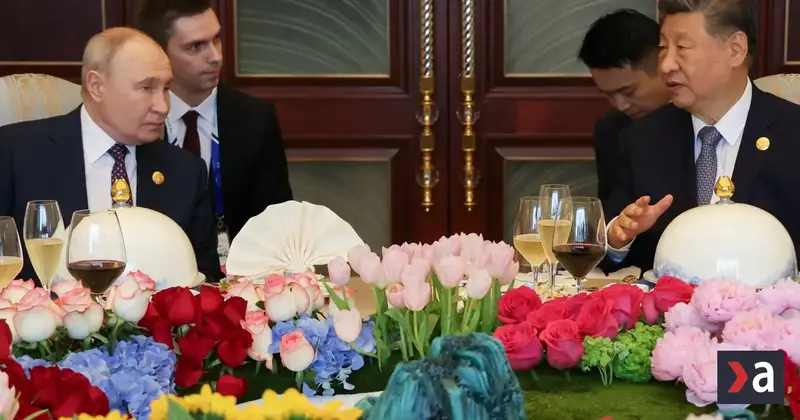
Chinese President Xi Jinping and Russian President Vladimir Putin met in Shenzhen on Wednesday, a day before planned three-way talks with US President Donald Trump.


Comments
To comment, sign in or create an account. Sign in Create an account
No comments yet.