

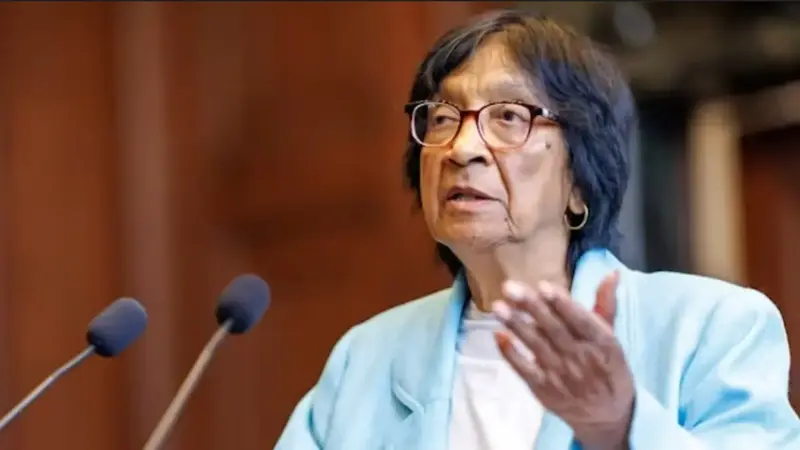
South African jurist Navi Pillay urged the United States to resume its role defending human rights in an October 13 interview in The Hague. Speaking to Reuters after winning the 2026 Nobel Peace Prize, she condemned US sanctions against the International Criminal Court.
The Norwegian Nobel Committee announced Pillay’s award in Oslo on October 9, recognizing her efforts to promote peace and international law. Her selection drew support from governments and human rights groups, alongside criticism from US and Israeli leaders.
Pillay challenges US sanctions against the court
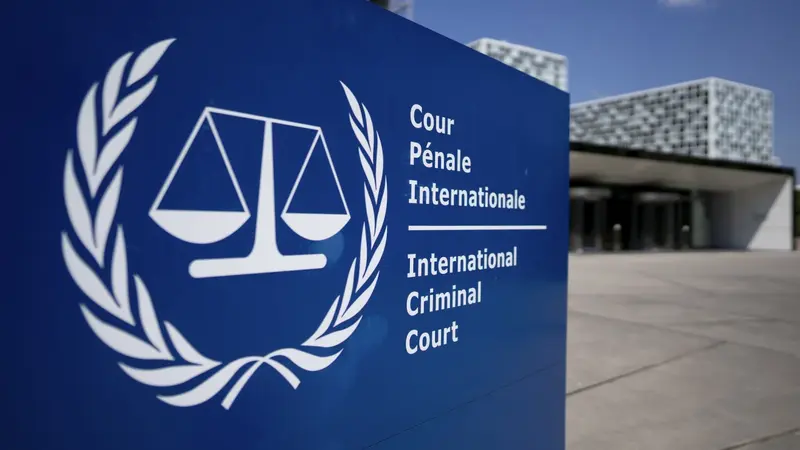
The United States announced new sanctions against the International Criminal Court, or ICC, within hours of the Nobel announcement. Pillay served as a judge at the court from 2003 to 2008.
Pillay said Washington needed to take its leadership responsibilities seriously and again defend human rights. She described the sanctions as regrettable and said plans to target the court had been developing for some time.
She also said the timing of the sanctions announcement could not be a coincidence. After returning from Nuremberg to The Hague, she visited ICC staff to express solidarity with their work and support those already sanctioned.
In a separate October 12 interview with The Associated Press, Pillay urged countries to defend the court and the wider international legal order. She called for collective action rather than words alone.
Gaza findings divide reactions to the award
Pillay previously chaired the UN commission investigating the occupied Palestinian territory and Israel. In its 2025 report, the commission concluded that Israel was committing genocide against Palestinians in Gaza.
The commission said there was intent to destroy Palestinians in Gaza, in whole or in part, as a group. Israel rejected the finding and described the report as biased and false.
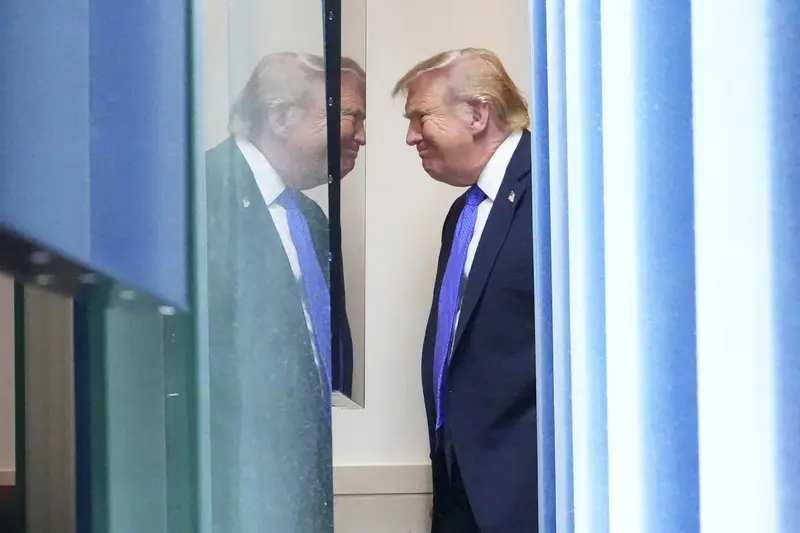
Israeli Prime Minister Benjamin Netanyahu criticized the Nobel decision, accusing Pillay of spreading false allegations against Israel. US President Donald Trump also criticized her selection and said the prize had lost its credibility.
South Africa, Spain, Norway, Ireland and Palestine were among those welcoming the award, South African broadcaster SABC reported. Support also came from the European Union, African Union, United Nations, ICC, Human Rights Watch and Amnesty International.
A career spanning apartheid and international justice
Born in Durban, South Africa, in 1941, Pillay grew up under apartheid, the system of racial segregation. She became a lawyer and defended political prisoners and opponents of apartheid, including Nelson Mandela.
She later served at the International Criminal Tribunal for Rwanda, which handled cases arising from the 1994 genocide. After her time at the ICC, she served as UN High Commissioner for Human Rights from 2008 to 2014.
Pillay now serves as a judge at the International Court of Justice in The Hague. The Nobel Peace Prize ceremony is scheduled for December 10 in Oslo.


Comments
Comments are closed.