

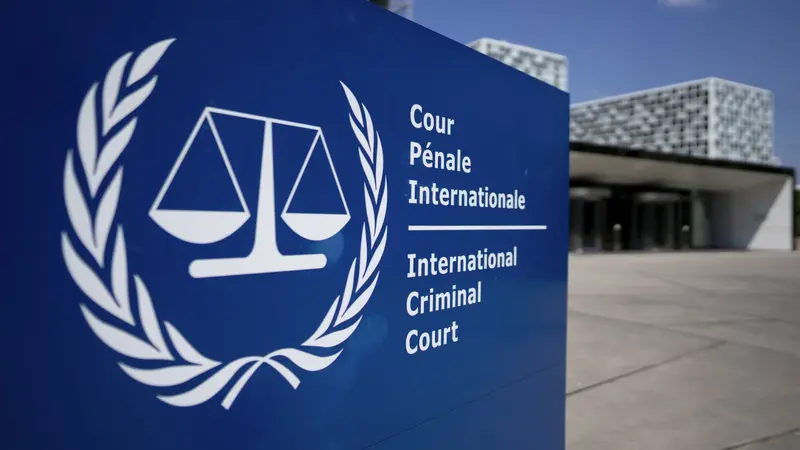
The United States imposed sanctions on the International Criminal Court on Friday, October 9, targeting the institution itself. The measures could also affect companies serving the court, which is based in The Hague, Netherlands.
The move broadens earlier US sanctions against individual judges and prosecutors. The ICC prosecutes war crimes, crimes against humanity and genocide, and has 125 member states. The United States is not a member.
Transaction ban includes limited exemptions
US Secretary of State Marco Rubio announced a ban on transactions with the ICC. According to the Associated Press, the sanctions freeze the court’s US assets. American companies and individuals have six months to end business relations with it.
The US Treasury issued four general licences shortly after the announcement. These allow certain transactions involving telecommunications, software, pension payments and people detained by the court. The practical effect on the ICC’s operations remains uncertain.
Rubio said President Donald Trump would never allow the ICC to prosecute Americans. He said the measures were intended to cut off the court’s resources and cripple its ability to operate.
Washington broadens its campaign against the court
Washington has opposed ICC arrest warrants for Israeli officials, including Prime Minister Benjamin Netanyahu. It has also criticised the court’s investigation into US soldiers’ actions in Afghanistan.
Reports differ on that investigation’s status: some describe it as ended, while Reuters reports that the ICC considers it deprioritized, not closed.
The Trump administration previously sanctioned individual ICC officials during his first term. Those measures were rescinded under President Joe Biden. Washington announced new sanctions days after Trump returned to office in January 2025.
Friday’s announcement came hours after South African jurist Navi Pillay won the Nobel Peace Prize. Pillay served as a judge in the ICC’s Appeals Chamber from 2003 to 2008.
ICC and European officials push back
The ICC rejected the sanctions as an attempt to obstruct justice and an attack on the rule of law. It urged its member states to ensure it has the resources needed to continue operating.
Deputy Prosecutor Nazhat Shameem Khan said the sanctions would not halt the court’s work. She said its investigations and prosecutions would continue.
The European Commission said the sanctions were deeply regrettable and said it was ready to take necessary steps to keep the ICC functioning. It said the six-month period before the measures take effect left room for dialogue. All European Union countries are members of the court.
Austrian Foreign Minister Beate Meinl-Reisinger said the sanctions also challenged the sovereignty of states that created the ICC. She said Austria would work with its partners to continue protecting the court and its staff.


Comments
To comment, sign in or create an account. Sign in Create an account
No comments yet.