

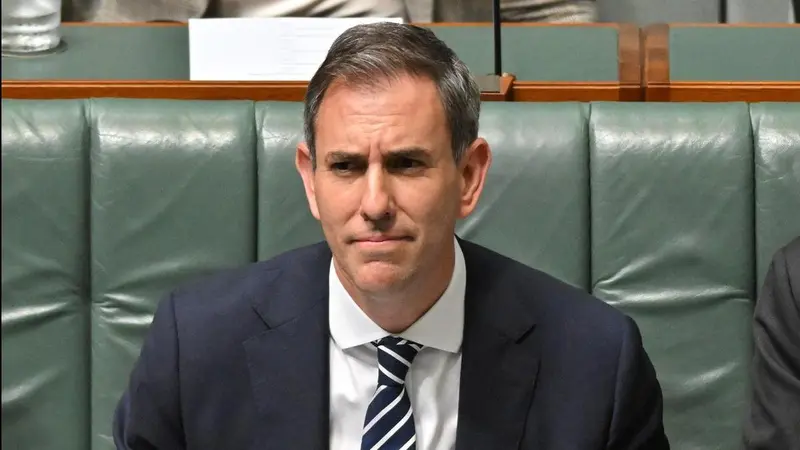
Australia’s Treasurer Jim Chalmers has warned that economic growth could remain well below 2% for the next two years, while unemployment is expected to rise above 5%. He set out the outlook to Parliament in Canberra on Monday and said the government’s December budget update would include significant savings.
Treasury expects unemployment to peak above 5%, though still below pre-pandemic averages. The rate was 4.9% in October, a five-year high. Chalmers said neither Treasury nor the Reserve Bank of Australia (RBA), the country’s central bank, was forecasting a recession.
He said growth could slow from 2.3% last year to well below 2% in each of the next two years. Inflation is expected to stay in the mid-3% range through the middle of 2027, before returning to the 2–3% band by year’s end. Chalmers cited higher oil prices, the fallout from the war against Iran and high interest rates as pressures on the economy.
Rate rises and a weaker jobs outlook
The RBA has raised its official interest rate five times this year, taking it to 4.85%, an 18-year high. Chalmers said the effects of those increases would continue well into next year and add pressure to the labour market.
The new outlook is weaker than the forecasts in Chalmers’s May budget. At that time, he expected growth of 1.75% this year, followed by 2.25% in 2027–28; average inflation of 2.5%; and unemployment of about 4.5%.
Chalmers also pointed to some brighter prospects: nominal wages are expected to keep rising above 3%, real wages are forecast to grow again next year, and business investment could rise by 5% this year after growing by more than 8% last year.
Budget savings due in December
Chalmers said the budget deficit was likely to be slightly smaller this financial year, but larger from 2027–28 onwards. He said the economy was smaller than expected, which could push tax and government spending higher as shares of GDP, even after planned savings.
The December update is expected to deliver modest net savings, including budget-sized savings, while avoiding cuts that undermine services people rely on. Chalmers said some decisions had not yet been finalised. He has also begun work on next year’s budget, with plans to cut red tape and boost productivity.
October inflation data are due on Wednesday. The RBA is due to make its final interest-rate decision of the year in early December, alongside the release of September-quarter GDP data.

Comments
To comment, sign in or create an account. Sign in Create an account
No comments yet.