

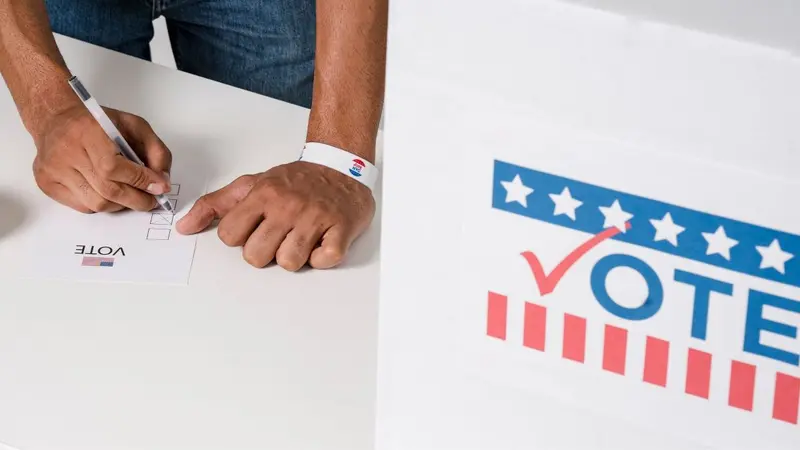
Democrat Rob Sand won Iowa’s governor’s race on November 3, defeating Republican Zach Lahn and ending a Democratic drought dating to 2006. His victory also broke a Republican trifecta that had controlled state government for about a decade, changing the balance in a state where Republicans had held the governor’s office for years.
The Iowa contest was part of a midterm election that also put all 435 seats in the US House of Representatives and 35 Senate seats on the ballot. Winning the governorship does not decide which party controls Congress. Before election day, NPR said Democrats appeared poised to retake the House; that was a forecast, not a result.
A break with Iowa’s recent record
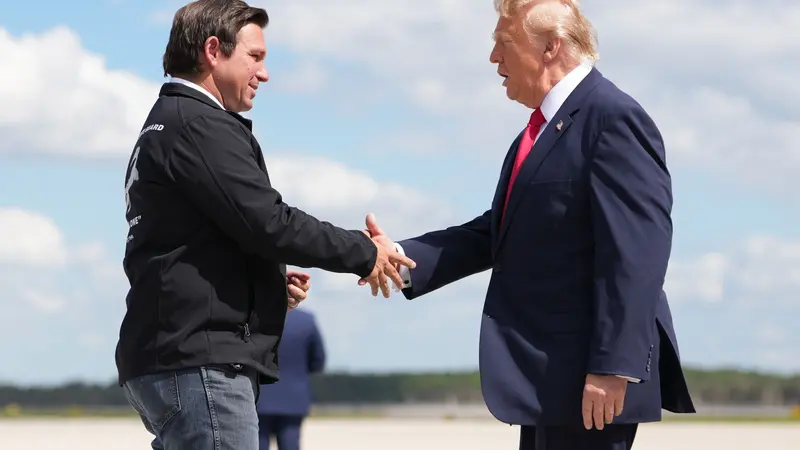
The result stands out against Iowa’s recent presidential voting: Donald Trump won the state by more than 13 percentage points in 2024. Trump later campaigned for Lahn in the governor’s race, joined by Vice President JD Vance and Defense Secretary Pete Hegseth.
Trump had backed US Representative Randy Feenstra in the Republican primary. Lahn, a first-time candidate, beat Feenstra by less than one percentage point to become the party’s nominee. The governor’s race opened when Republican Kim Reynolds retired; it was Iowa’s first gubernatorial election without an incumbent since 2010.
Sand, 44, had served as state auditor since 2018 and was the only Democrat holding statewide elected office in Iowa. No Democrat had won the governorship since 2006, when Chet Culver was elected.
What changes — and what remains uncertain
A Republican trifecta means control of the governor’s office and both chambers of the state legislature. Sand’s win ends that arrangement, which had lasted about a decade. He has said he expects to work with Republican majorities in the state House and Senate.
Both candidates criticised the state’s direction after a decade of Republican control. They pointed to a stagnant economy, declines in public education and high, rising cancer diagnosis rates, while offering different approaches to the state’s problems.
The broader midterm campaign also featured concern about food, fuel and housing costs, the Iran conflict, tariffs and immigration policy. Those national issues formed part of the election context, but the Iowa result alone does not show how voters judged each one or settle control of Congress.
When the Associated Press called the Iowa race, with 79% of the vote counted, Sand had 57.7% and Lahn 42.3%. Those were the figures at the time of the call; the final certified totals are not included in the reported results.


Comments
To comment, sign in or create an account. Sign in Create an account
No comments yet.