

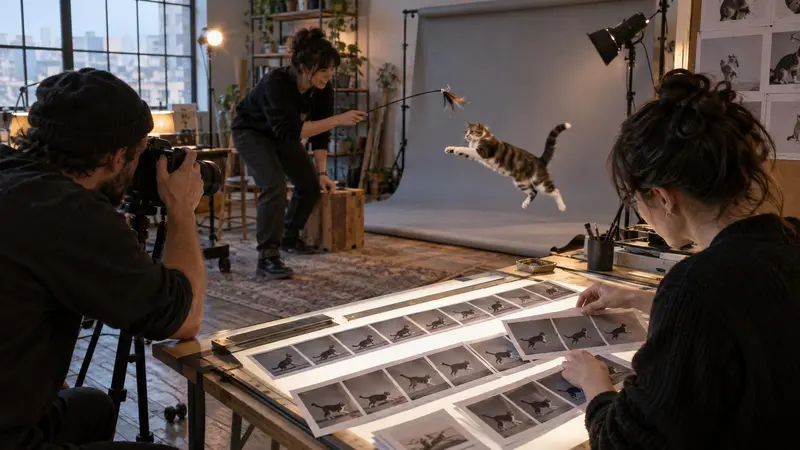
OpenAI began rolling out Images 2.6 worldwide on November 4, bringing one-step animated GIF creation to its image-generation tools. Users can turn a text prompt or an uploaded photo into a looping animation, then change its speed or edit individual frames.
The model is available to free and paid users across ChatGPT and Codex on web, desktop and mobile. The change gives ChatGPT users a native route from an idea or photo to an editable GIF, rather than a still image alone.
From a prompt to an editable animation
Users can inspect the frames that make up a GIF, adjust how quickly it plays and revise individual frames. They can also share the finished animation, according to OpenAI’s description of the feature.
Before Images 2.6, ChatGPT did not offer a native, one-step way to turn a request into a finished GIF. The new workflow combines creation and frame-level changes in the same product. OpenAI’s example, reported by XDA, showed a cat dancing in response to a short text request.
OpenAI also says Images 2.6 generates images faster than earlier versions. The update extends the product line beyond still images, though the company has not provided a specific speed comparison for the new model in these reports.
Two API models for different priorities
Developers get two new versions of the image-generation API. GPT-Image-2.6 Flare is designed for speed, while GPT-Image-2.6 Sunburst prioritises output quality.
The split continues an approach OpenAI used with Images 2.5, which also offered two API models. For developers, that means the new release is not a single option built around one priority: they can choose between faster generation and higher-quality output.
What the 4 billion figure does — and does not — show
OpenAI says weekly image generation has passed 4 billion, up from more than 3 billion in September 2026. Those totals cover activity across consumer and developer products; they do not show how many people are making GIFs or how much the new feature is being used.
The release follows Images 2.5, which arrived on September 8, 2026. OpenAI said that version improved image detail and other qualities while cutting generation latency by up to 50% compared with Images 2.0. Images 2.6 adds animation and frame editing to that developing image workflow, alongside the company’s claim of faster generation.
Comments
To comment, sign in or create an account. Sign in Create an account
No comments yet.