


Spain’s transport minister, Óscar Puente, resigned on November 3, six days after a collision near Urda killed 69 people and injured more than 200. He also withdrew his name from the list for the early legislative election scheduled for November 29, leaving both his ministerial role and electoral bid behind.
A resignation after two fatal crashes
Puente said he could not remain in office after two accidents of such gravity in less than a year. The earlier disaster, at Adamuz in January, killed 46 people; the Urda collision was the second fatal crash on the Madrid–Seville line in 2026. Together, the two accidents killed 115 people.
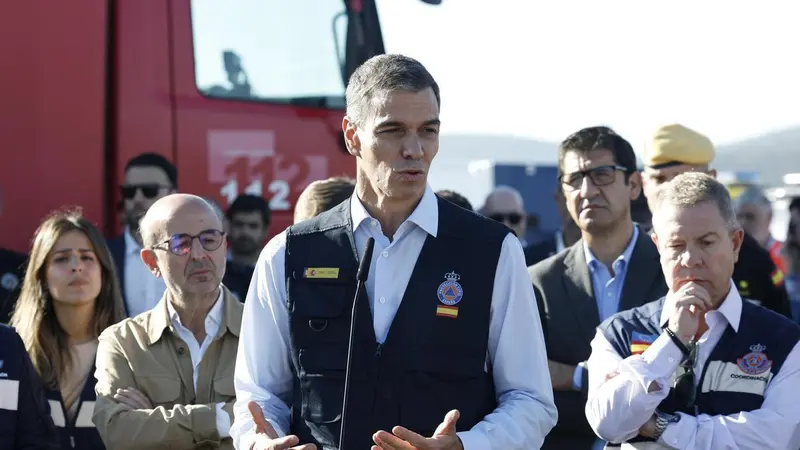
Puente said he decided to resign minutes after learning of the Urda crash. He remained in post until emergency measures had begun, preliminary inquiries were under way, and initial compensation and safety steps had been set out. Prime Minister Pedro Sánchez thanked him and praised his service, saying he had put victims first and accepted political responsibility. Sánchez’s public farewell contained no criticism of the former minister.
What investigators still need to establish
The October 28 crash involved a state-run Renfe AVE train and a private Iryo train on the Madrid–Seville route. The Renfe train struck the rear of the Iryo train, which was stopped on the track. A signalling failure had automatically stopped several trains, after which controllers managed traffic manually.
Puente said controllers in Madrid authorised the Renfe train to continue even though the Iryo train was stopped ahead on the same track. Investigators estimated the impact speed at between 160 and 200 km/h. But the investigations have not established that the signalling system itself directly caused the collision; technical and operational responsibilities remain to be determined.
Compensation and new operating rules
Spain’s cabinet approved a €30 million package for victims and their families. The government also announced fewer trains on the line while the rail safety agency reviews its protection system and the delayed European Rail Traffic Management System is installed.
Under the announced rules, drivers must slow to 40 km/h after a signalling failure so they can check the track for obstacles. A second controller will also have to verify instructions when automatic systems fail. The government plans an artificial-intelligence agent to detect anomalies and monitor communications between drivers and controllers.
These measures describe the immediate response, not the final explanation of the crash. The inquiry must still establish how the stopped Iryo train and the authorised Renfe movement came together, and whether any technical or operational failures contributed.


Comments
To comment, sign in or create an account. Sign in Create an account
No comments yet.