

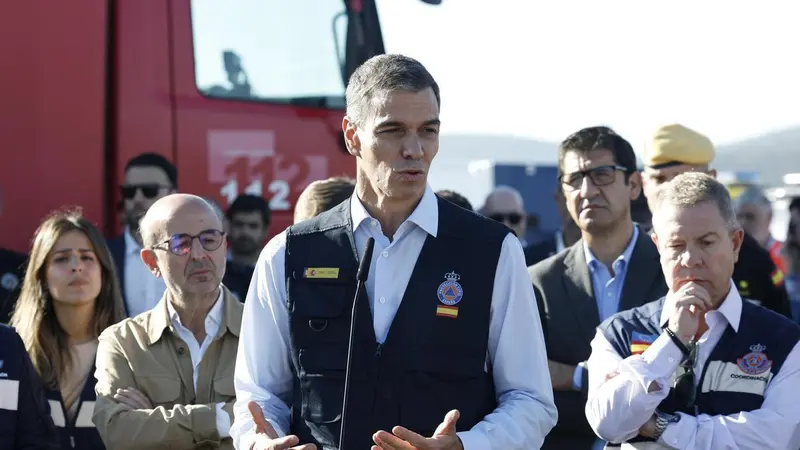
Pedro Sánchez said trust in Spain’s high-speed rail network had been broken after the collision in Toledo that killed 69 people, and he pledged an investigation and new safety measures. The crash has also sharpened pressure on Transport Minister Óscar Puente, who said he offered his resignation and that Sánchez rejected it.
Sánchez shifts the government’s response
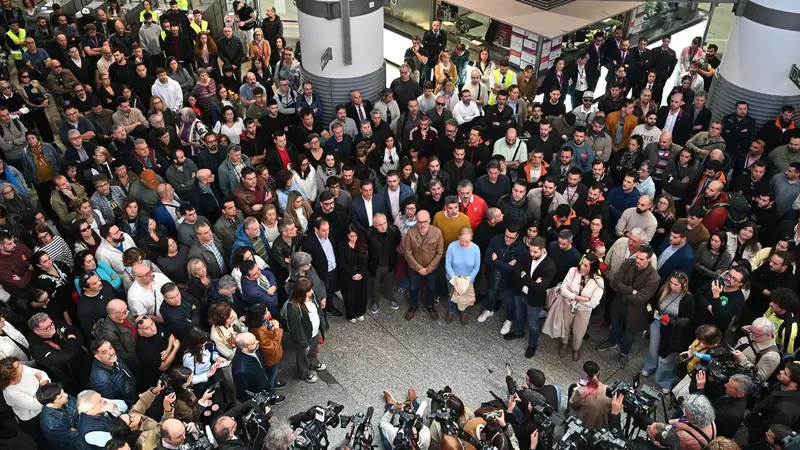
The prime minister made his remarks after attending a meeting of the integrated emergency coordination centre in Toledo with Castilla-La Mancha leader Emiliano García-Page and Interior Minister Fernando Grande-Marlaska. He said the government would work with the Transport Ministry to examine what happened and produce solutions so a tragedy on this scale is not repeated.
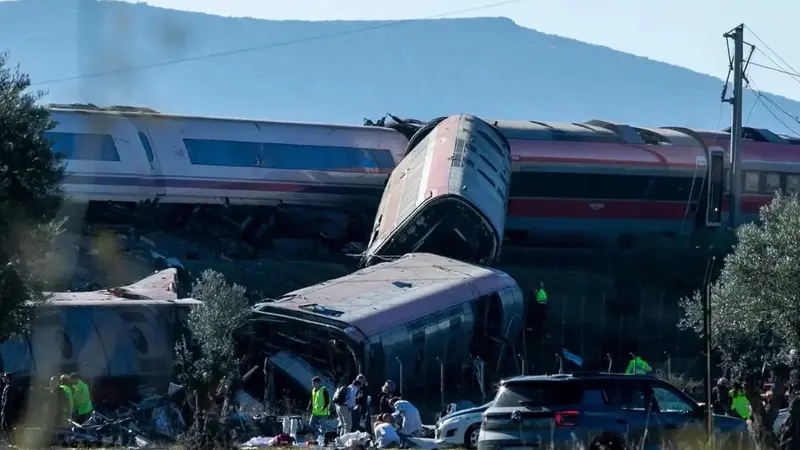
The collision took place in Urda, in the province of Toledo, where a Renfe high-speed train and an Iryo service crashed on Wednesday. The death toll remained at 69 on Friday, and García-Page said there were 70 reports of missing people, meaning the final number could still rise.
Identification work remains difficult
García-Page said rescue teams had found 31 bags containing partial remains, which he said made identification especially complex. He added that notifications to families are being made only on the basis of verified data from the judiciary and the Guardia Civil.
Sánchez said the state was working continuously to identify the dead and give families confirmed information as quickly as possible. Sánchez said the government would offer solutions after acknowledging that confidence in the system had been broken.
Pressure builds on Puente
According to Europa Sur, Puente told journalists that he had put his post at the president’s disposal after the crash, but that Sánchez refused to accept his resignation because it would be unfair. The minister said staying in office was his way of taking responsibility and of continuing to explain what happened.
Pressure on Puente is coming from both sides of the political divide. Ada Colau, the leader of the junior coalition partner Frente Amplio, has called for him to resign, while opposition leader Alberto Núñez Feijóo has demanded the resignation of both Puente and Sánchez.
Puente has blamed the collision on a traffic controller’s decision to let the Renfe train resume moving while the Iryo train was still stopped ahead. Railway unions have rejected that account and say deteriorating working conditions, including fewer controllers facing heavier workloads, have made safety harder to guarantee.
The crash was the second major high-speed rail disaster on the Madrid-Seville line in nine months, after an earlier accident near Adamuz in January killed 46 people. Sánchez has promised to strengthen safety, but the government has not yet set out what measures it will take or when.


Comments
To comment, sign in or create an account. Sign in Create an account
No comments yet.