

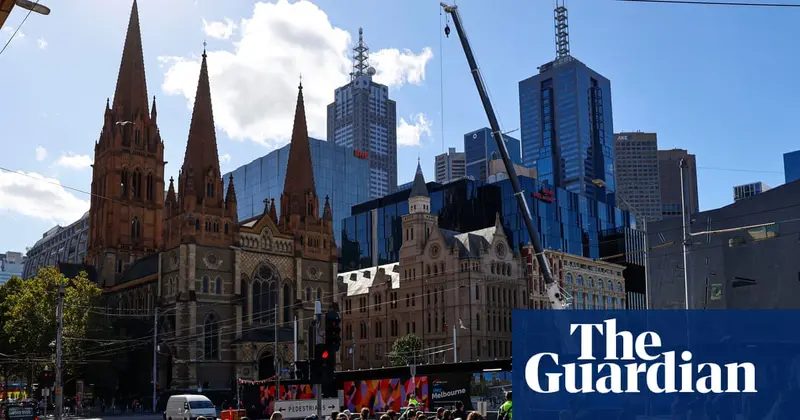
Australia’s unemployment rate climbed to 4.9% in October, its highest level since October 2021, as the number of people in work fell by 43,500. The Australian Bureau of Statistics figures surprised markets, which had expected the jobless rate to hold at 4.7%, and economists who had forecast employment growth.
Full-time employment fell by 2,900 and part-time employment by 40,600. The number of Australians out of work rose to 753,000, the highest since March 2021, and was up by 95,000 over the year.
The participation rate — the share of people who are working or looking for work — fell by 0.2 percentage points to 66.6%. The employment-to-population ratio also declined, by 0.3 points to 63.3%.
Uneven picture across states and age groups
Unemployment rose in every state except New South Wales. South Australia recorded the largest increase. Victoria’s rate reached 5.4%, a five-year high, while New South Wales’ eased by 0.1 points to 4.6%.
Employment trends also differed between the two largest states. New South Wales lost 9,000 jobs in October and had 64,600 fewer jobs than at its February peak. Victoria added 3,400 jobs in October and had gained 20,000 since February.
Youth unemployment, among people aged 15 to 24, rose to 11.3% from 11.1% in September, its highest level since October 2021. Sean Crick, the ABS head of labour statistics, said a larger-than-usual number of people had remained unemployed during the month, as they had in September. He said the youth rate had averaged 9.2% since May 2022.
Attention turns to the Reserve Bank
The figures come after the Reserve Bank of Australia raised its cash rate to 4.85% at the start of November. The decision passed by six votes to three. Minutes showed the three members who opposed the increase were concerned the economy could be nearing a materially sharper downturn and pointed to the cost of higher unemployment.
Economists differed on how much weight to put on the latest figures. David Bassanese, chief economist at Betashares, said seasonal movements could be making the labour market look weaker than it is. But he said that, if the employment declines prove real, they could mean the latest rate increase was the last; consecutive large falls, he said, could indicate the economy was already close to recession.
Sunny Nguyen of Moody’s Analytics said the figures made a rate rise before Christmas exceedingly unlikely. Taylor Nugent, senior economist at NAB, said the labour market was cooling faster than the RBA expected. NAB’s view is that the rate-hike cycle has ended, with no rate cut expected before August; Nugent said the bank’s unemployment forecast could move towards 5.5% by the end of 2027. The RBA had earlier lifted its own forecast to a peak above 5% by the end of 2028.
Yahoo Finance reported that the October figures predated several reported rounds of job cuts, including at David Jones, NAB, Qantas, Rio Tinto and Bunnings. Those cuts are not reflected in the October data; how they may affect unemployment in coming months remains uncertain.



Comments
To comment, sign in or create an account. Sign in Create an account
No comments yet.