

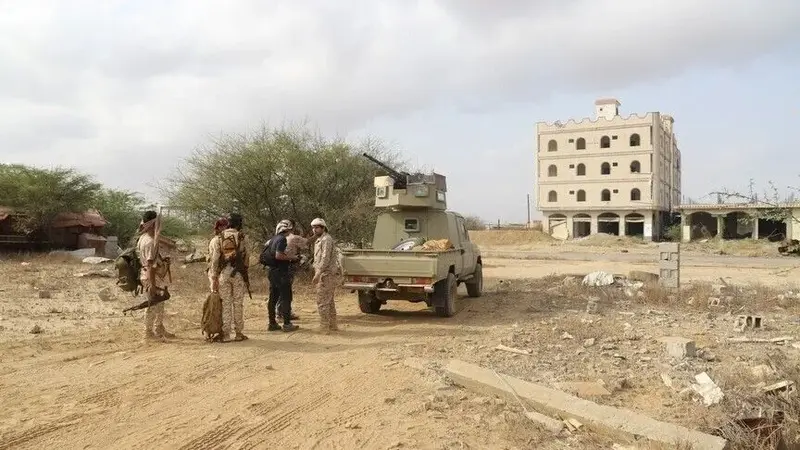
The World Health Organization says 12,779 people were killed or injured in Yemen between August 6 and November 16 as military escalation continued. The figure, recorded by the Health Emergency Operations Center, comprises 2,260 deaths and 10,519 injuries.
The WHO said 1,024 casualties were recorded in the eight days to November 16, including 162 deaths and 862 injuries. The daily average fell to about 128, from about 225 in the preceding period. But the agency warned that daily underreporting ranged from 58% to 92%, meaning the published toll does not capture the full number of casualties.
Front lines move toward Aden
The WHO warned that front lines were shifting rapidly through Lahj province toward Aden. The city is home to major referral hospitals, the health emergency operations centre and a warehouse supplying the humanitarian response. Further escalation, the agency said, could disrupt medical referrals and supply routes.
UNICEF said at least 64 children had been killed and another 64 injured since fighting intensified on September 3. It reported damage to at least seven schools and 28 health facilities. More than 1,160 schools in affected areas have closed or suspended classes, leaving over half a million students unable to continue their education. About one in three children screened by UNICEF mobile teams showed signs of acute malnutrition, the agency said.
Health services under strain
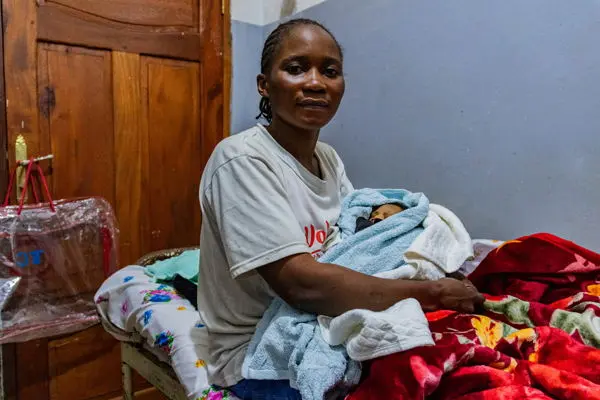
In Taiz, the WHO reported severe shortages of fuel and medical supplies, including surgical equipment and anaesthetic drugs. The shortages are hampering emergency treatment, operations and the supply of oxygen to intensive-care units. UNICEF has also warned that shortages of medicines, fuel, oxygen and electricity threaten emergency care and services for mothers and newborns.
UNICEF said more than 800,000 people in Taiz were unable to receive humanitarian assistance because the main road linking the city with Aden was closed. Water production had fallen to about half, while food and fuel prices had more than doubled, the agency said.
Displacement estimates differ
UNICEF put the number of people forced from their homes by the escalation at more than 330,000, including about 174,000 children. Separately, UN deputy spokesperson Farhan Haq cited the International Organization for Migration as saying that more than 350,000 people had been displaced since early August. The reports give different totals and timeframes.
Haq said on November 18 that UN humanitarian chief Tom Fletcher had met Yemen’s Presidential Leadership Council chairman, Rashad al-Alimi, to discuss the crisis. Fletcher stressed the need to get food, medicine and other life-saving aid to people in need. The WHO said further changes on the front lines could affect both medical referrals and humanitarian supplies.



Comments
To comment, sign in or create an account. Sign in Create an account
No comments yet.