

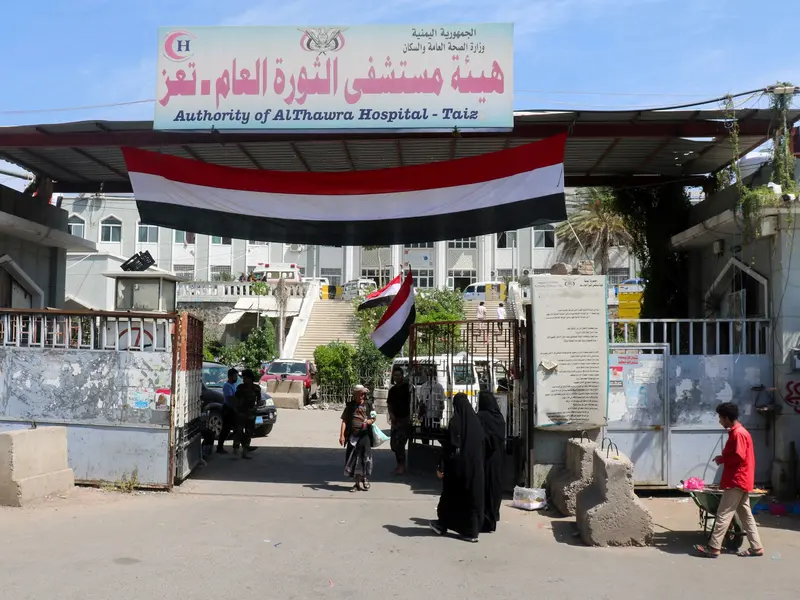
Humanitarian agencies warned on October 13–14 that renewed fighting in Yemen had cut off food assistance to about 800,000 people. Hospitals were struggling to treat the wounded, while suspected cholera cases had risen sharply among communities affected by displacement.
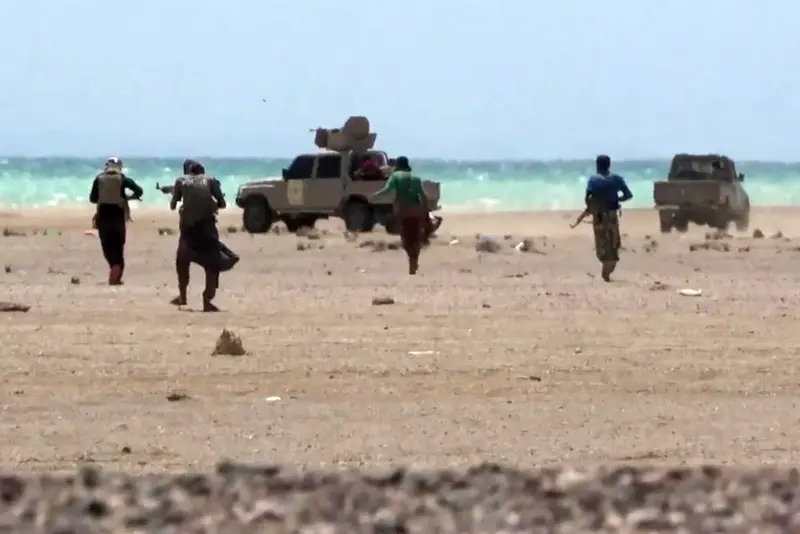
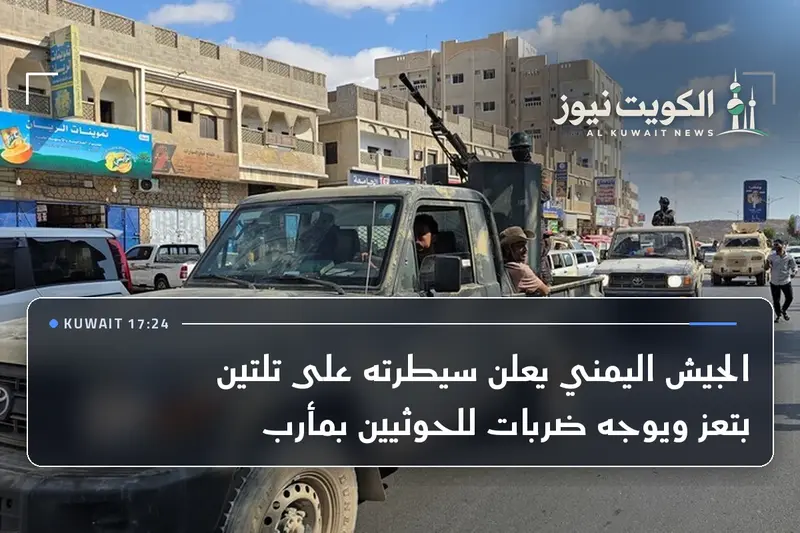
Fighting between Houthi forces and Yemen’s Saudi-backed government forces resumed in July. The World Health Organization (WHO) said the latest escalation, which began on August 6, had displaced more than 200,000 people across 10 governorates.
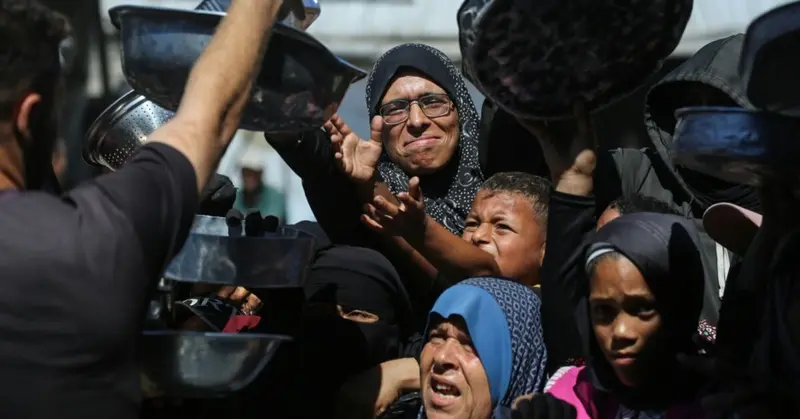
Food aid cannot reach communities
The United Nations World Food Programme (WFP) said about 600,000 people in Taiz, Yemen’s third-largest city, lacked access to food assistance. They included around 200,000 women and children. The nationwide estimate of 800,000 also covers other conflict-affected areas.
Fighting and road closures have made some districts inaccessible. The WFP said wheat flour stocks in some of those areas were nearly exhausted. Remaining food in local markets might last only a short time.
The disruption comes amid widespread food shortages. More than 18 million people in Yemen do not have enough to eat, the agency said. Its latest monitoring found that 74% of households in accessible areas could not meet their daily food needs.
Suspected cholera cases nearly triple
The WHO reported 647 suspected cholera cases in the week of September 27–October 3, up from 217 during September 6–12. Yemen had recorded 8,034 suspected cases and 27 deaths this year. A quarter of those suspected cases occurred in the latest four-week period covered by the report.
Five southwestern governorates—Abyan, Lahij, al-Dhalea, Taiz and Aden—accounted for 92% of reported cases. They host large numbers of displaced people. The disease had also reached remote displacement camps in eastern Hadramout, where medical teams face difficulties gaining access.
Annette Heinzelmann, the WHO’s regional emergency director, said outbreaks could spread rapidly without urgent funding and access to safe water, vaccination and essential health services. The agency said it had secured $3.78 million of the $31 million needed for its 90-day emergency response.
Hospitals face shortages as casualties rise
The International Committee of the Red Cross (ICRC) said hospitals in Marib, Taiz and along the Red Sea coast were overwhelmed. Some facilities received more than 700 fighting-related casualties in a single week.
Only a small number of functioning facilities can provide comprehensive trauma care, the ICRC said. Hospitals face shortages of surgical supplies, anaesthetics, oxygen and medicines. Christine Cipolla, its head of delegation in Yemen, said the health system might have little capacity left for another major surge in casualties.
The WFP said it had delivered emergency assistance to more than 115,000 newly displaced people in accessible areas. It was ready to expand assistance to as many as 1.5 million people if security conditions allowed. When food deliveries to cut-off communities might resume remains unclear.
Comments
To comment, sign in or create an account. Sign in Create an account
No comments yet.