

The Gaza ceasefire reached its first anniversary on October 10, 2026, with Israeli attacks continuing and major commitments still unfulfilled. More than 100 humanitarian and human rights organizations warned that Palestinians still face widespread hunger, inadequate shelter and severely damaged healthcare.
The agreement took effect on October 10, 2025, with US backing. It was intended to lead to Israeli withdrawals, Hamas disarmament and reconstruction, but those steps remain stalled.
Attacks continue despite the truce
Israel has reduced the intensity of its attacks but continues to strike Gaza almost daily. The aid and rights organizations said Israeli forces had killed more than 1,400 Palestinians during the truce, including at least 327 children.
Reported death tolls differ: Gaza’s Hamas-run health ministry puts the figure at about 1,450, while other reports put it near 1,500. The ministry’s cumulative toll since October 7, 2023, exceeds 74,000 deaths, with about 175,000 people wounded.
Israeli forces have also expanded their control beyond the withdrawal boundary known as the Yellow Line, the organizations said. Estimates of their current control differ, at about 60%, two-thirds or 70% of Gaza.
Families face hunger and damaged hospitals
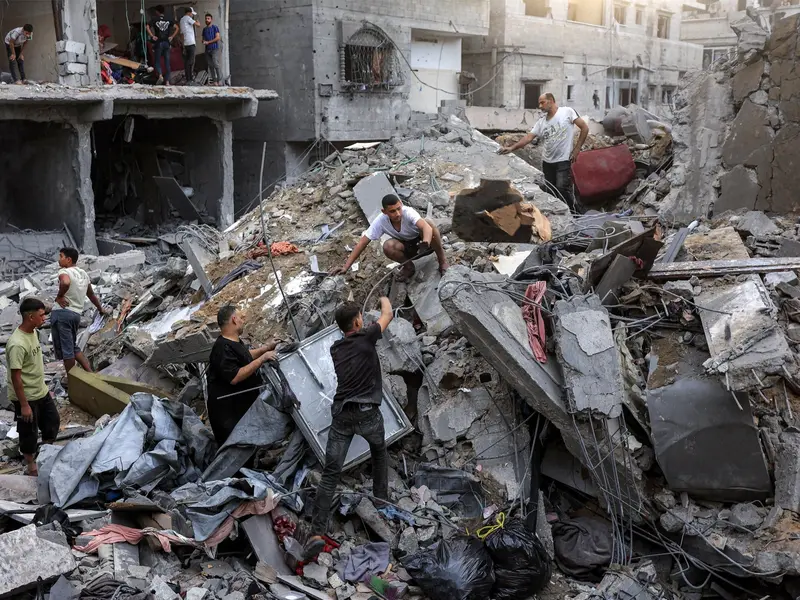
The organizations said nearly 2 million people still needed shelter and none of Gaza’s 36 hospitals was fully functioning. More than 80% of structures had suffered damage, with about two-thirds completely destroyed.
The risks extend to families sheltering in damaged buildings. In September, a building collapsed in Gaza City, killing 21 people, including 12 children. Another 45 people were injured and rescued.
The Integrated Food Security Phase Classification, a hunger assessment system, projected that about 1.4 million Palestinians would face crisis-level food insecurity or worse through the end of 2026. Aid deliveries remain restricted, alongside supplies of medical equipment and building materials.
The organizations warned that approaching winter could expose displaced families to cold, heavy rain and flooding. They called for an end to attacks and the lifting of restrictions on aid and reconstruction supplies.
Disarmament and withdrawal remain blocked
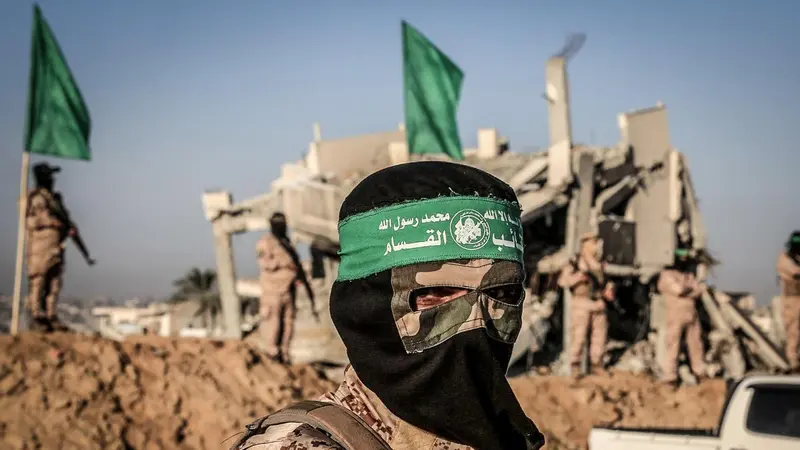
Israeli Prime Minister Benjamin Netanyahu said Israel would not withdraw further until Hamas had fully disarmed. Hamas said it was willing to hand weapons to a new Palestinian administrative committee but rejected disarmament while Israeli attacks continued and troops remained.
Hamas announced in July that it was dissolving its governing body and transferring administration to the National Committee for the Administration of Gaza. However, Hamas retains a security role, and Israel has not allowed the committee into Gaza. The committee, led by Palestinian technocrat Ali Shaath, operates from Cairo.
Recovery plans await implementation
The Board of Peace, a body established by US President Donald Trump for the agreement, proposed a six-month recovery plan in September worth about $2.4 billion. The European Union and United Nations estimate that recovery and reconstruction will require $71.4 billion over the next decade.
Meaningful reconstruction has not begun, and the proposed international stabilization force has not deployed. It remains unclear when the committee can enter Gaza, when withdrawals can resume and when rebuilding can begin.


Comments
To comment, sign in or create an account. Sign in Create an account
No comments yet.