

Nearly two million people in the Gaza Strip need help securing shelter before winter, the International Organization for Migration (IOM) said. The UN agency warned that Palestinians face a fourth winter without adequate protection from rain, flooding and cold.
IOM said about 1.8 million Palestinians lack sufficient protection from those conditions. Separately, the agency and its partners counted nearly 1.8 million people living at displacement sites, most in areas at risk of flooding.
Worn tents and unsafe buildings
More than half of the tents and makeshift shelters now in use are in poor condition and need replacing, IOM said. Tents are intended for temporary emergencies and generally last between six and twelve months.
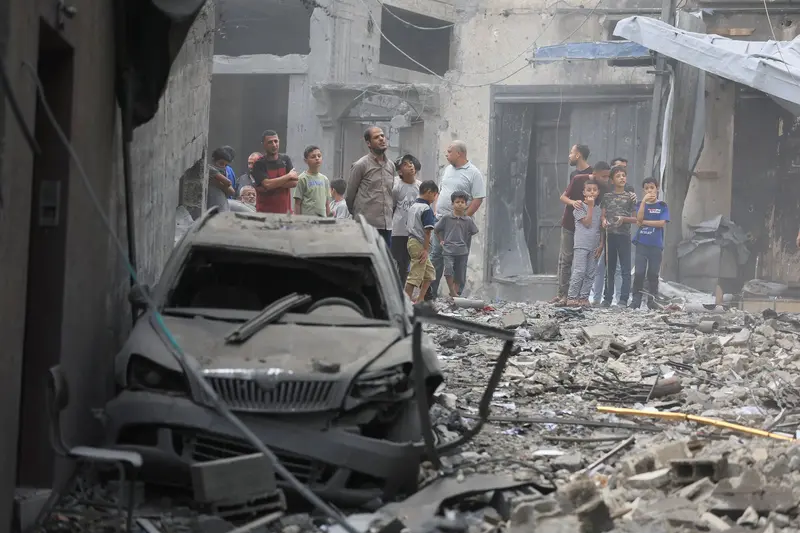
With few alternatives, many families are living in buildings damaged during the war. IOM said these structures pose serious risks to their safety.
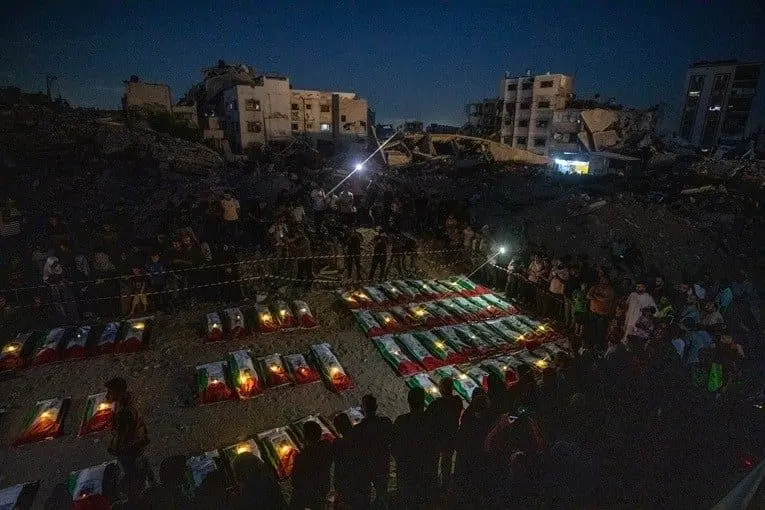
The agency cited a building collapse in Gaza City in September that killed 21 people, including 12 children. An IOM partner identified more than 3,600 structures as dangerous and at risk of collapse in August.
Aid capacity falls short of winter needs
Amy Pope, IOM’s director general, said humanitarian partners could meet only 17% of identified winter shelter needs. The agency said insufficient funding and Israeli restrictions on essential materials were preventing an adequate response.
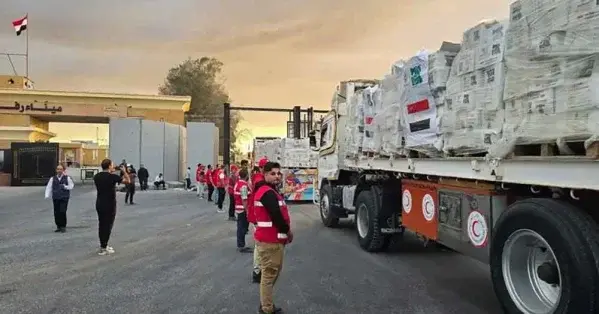
About 8,600 IOM emergency shelter kits are stored outside Gaza and ready for delivery, the agency said. Israeli authorities continue to refuse their entry at crossing points. It remains unclear when the kits will be allowed through.
Humanitarian teams are using locally available and recovered materials wherever possible. IOM said this provides limited temporary support but cannot meet the widespread need for shelter.
Pope called for immediate, sustained humanitarian access. The agency wants tents, emergency shelter kits, temporary housing units, wood and tools allowed into Gaza to reinforce shelters and repair damaged homes.
Heavier rain could increase the danger
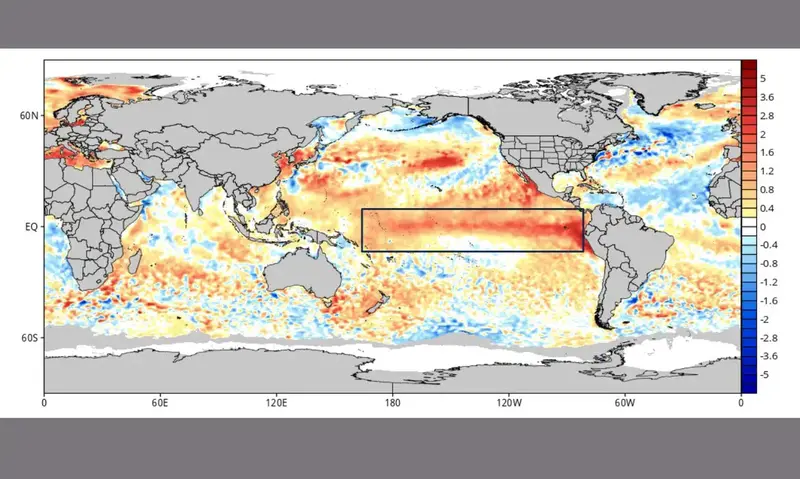
IOM warned that the intensifying El Niño climate phenomenon could bring heavier rainfall. That could further weaken unsafe buildings, while badly damaged drainage systems leave communities exposed to flooding.
Floodwater could damage shelters, destroy families’ remaining belongings and force people to move again, the agency said. In early September, the World Health Organization also warned that precarious living conditions could worsen health risks as the rainy season approached.

Comments
To comment, sign in or create an account. Sign in Create an account
No comments yet.