


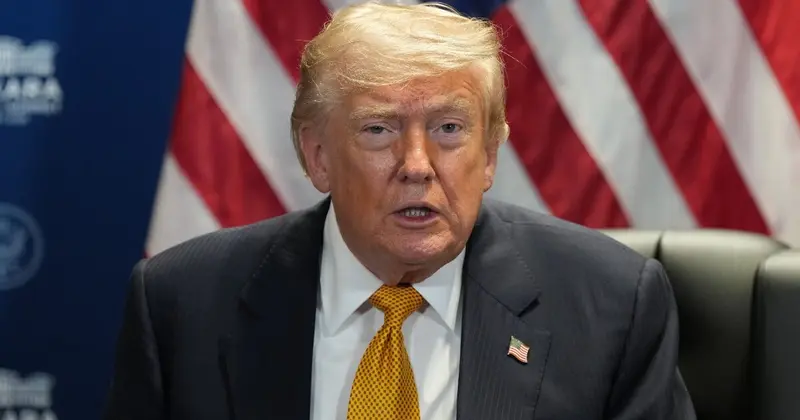
US President Donald Trump ruled out attacks on Iran before the November 3 congressional elections in an October 8 announcement. His statement on the Truth Social platform followed rising oil prices and reports of preparations for possible strikes.
Trump said Washington was holding productive discussions with Tehran. He also said the US naval blockade of Iranian ports would remain in full force. The terms of those discussions and any progress toward an agreement remain unclear.
Strike planning preceded the announcement
The announcement differed from Trump's comments a day earlier. On October 7, he told reporters his administration was considering another attack on Iran before the election, CNBC Indonesia reported. At a campaign event that evening, he also said a deal with Iran was not something he wanted.
The Atlantic reported on October 7 that the White House had asked the Pentagon, the US defense department, to develop strike options. Those options could be used before the elections. The New York Times reported that planning continued despite Trump's uncertainty about taking military action.
A subsequent New York Times report described a three-day strike plan. It said potential targets included drone and missile arsenals, energy facilities and other sites.
Oil prices ease after Thursday's rise
Brent, the international oil benchmark, rose more than 4% on October 8. It reached $105.88 a barrel before retreating to $104.28.
Prices fell after Trump's announcement, Indonesian financial news outlet Katadata reported. At 9:41 a.m. Singapore time on October 9, Brent was down 0.8% at $103.43 a barrel. West Texas Intermediate, another oil benchmark, fell 0.7% to $90.81.
Military buildup and fuel costs continue
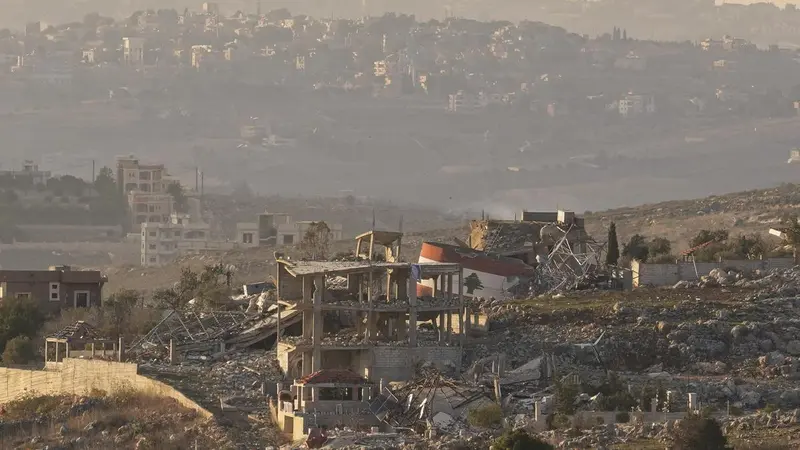
The United States has also been adding military forces in the region. The Associated Press reported that Washington was sending about 9,000 sailors and marines, along with a third aircraft carrier. That deployment could bring the US presence to three carriers by late October.
The conflict has coincided with declining US public support for military action against Iran. An August Reuters/Ipsos poll put support at 31%, down from 37% in March. It also found that 83% of respondents expected the conflict to last a long time.
Higher fuel prices are another concern ahead of the vote. American Automobile Association data put the national average gasoline price at $4.36 a gallon on October 8. That was about 40% higher than a year earlier, and up from $2.98 just before the war.

Comments
To comment, sign in or create an account. Sign in Create an account
No comments yet.