

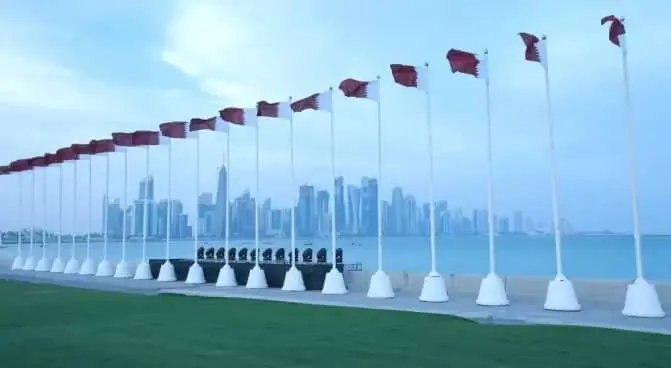
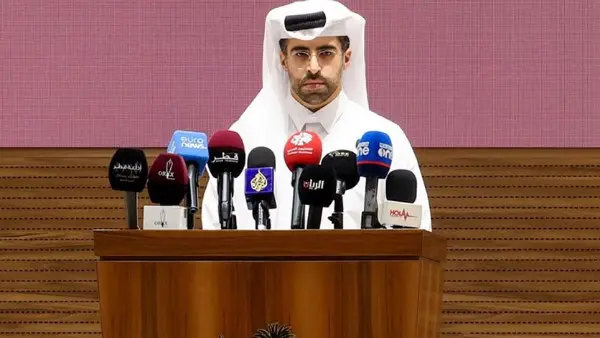
Qatar’s Foreign Ministry said on November 10 that its mediation between the United States and Iran was continuing, with positive responses from both sides. Doha said it was working to end uncertainty and the “no war, no peace” situation.
The statement followed a White House meeting on November 9 between Qatari Prime Minister and Foreign Minister Sheikh Mohammed bin Abdulrahman Al Thani and US President Donald Trump. Qatar described the meeting as positive and said the two discussed ways to advance negotiations towards an agreement that would end the crisis and restore regional stability.
Trump also described his conversation with the Qatari leader as excellent. He said everyone agreed Iran must not have a nuclear weapon, and called that position non-negotiable. Trump said the United States was ready to act if events in the Middle East changed, though he considered such a change extremely unlikely at the time.
New strikes postponed, while disputes persist
Roya News reported that disagreements remained over the terms for ending the war, lifting sanctions and ending the US naval blockade of Iran. It said Tehran was sticking to its demands and Washington had rejected some of Iran’s conditions. The outlet did not report that either side had accepted a deal.
Roya News also reported that Trump had postponed new strikes against Iran at that stage after appeals from Qatar, Saudi Arabia, the United Arab Emirates, Bahrain and Kuwait. The same outlet said the US blockade remained in place and American forces were still on alert. Those reports sit alongside Trump’s public assessment that a change requiring US action was unlikely, not an announcement that the military standoff had ended.
Qatar said it was coordinating with Pakistan and regional partners to exchange proposals and bring the two sides closer. The Foreign Ministry also condemned attacks on Saudi Arabia and said Qatar supported the kingdom’s measures to protect its security and stability.
Why the Strait of Hormuz matters
Qatar warned that the approaching winter and continued closure of the Strait of Hormuz could multiply the crisis’s costs. The strait is a key route for oil and gas shipments; its closure also affects navigation, according to the accounts of the crisis.
Roya News said disruption to energy supplies and shipping could put further pressure on markets and the global economy. It said the disruption could raise oil and gas prices, shipping and insurance costs, and prices for energy and goods in global markets. These are potential effects described by the outlet, not costs Qatar said had already risen.

Comments
To comment, sign in or create an account. Sign in Create an account
No comments yet.