
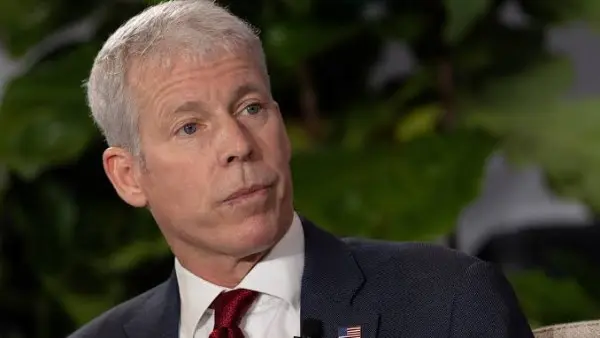
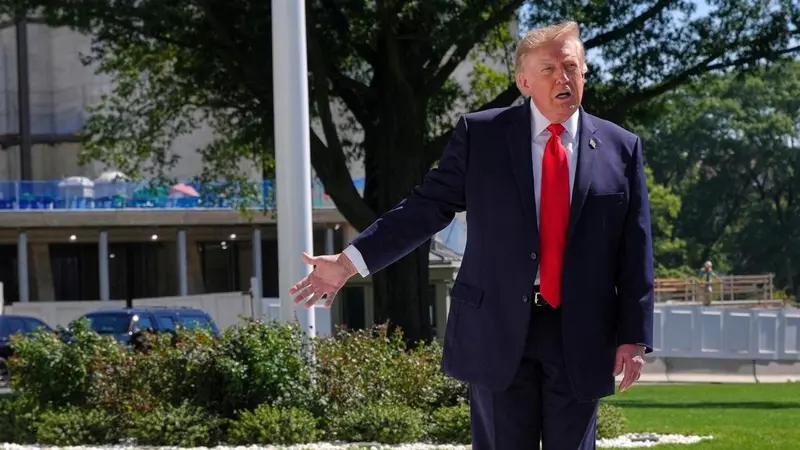
US President Donald Trump told reporters over the October 3–4 weekend that he would soon make a decision about Iran. He did not disclose its nature or give a date. US officials meanwhile said the blockade of Iran remained in effect and acknowledged risks to energy supplies.
Trump also said Iran had effectively abandoned many of its plans concerning nuclear weapons. He repeated that Iran would not obtain a nuclear weapon.
US keeps military and economic options open
US Defense Secretary Pete Hegseth said Trump would decide whether American military operations would end by the close of the year. Speaking to reporters in Colorado, he said all options remained available to the president.
Hegseth said the United States could extend its naval blockade for as long as it wished. He described Iran’s options as running out, citing both the blockade and damage from US military attacks.
US Energy Secretary Chris Wright outlined economic and potential military measures in an interview with CBS News. He said Washington was considering economic ways to prevent Iran from acquiring nuclear weapons while preparing for military action if needed.
Wright said Trump understood that his approach could increase energy prices in the short term. The president also knew it could threaten energy flows from the Gulf, but chose to accept those risks, Wright said.
Washington and Tehran differ over Hormuz
Hegseth said the United States controlled the Strait of Hormuz, a waterway used for Gulf oil shipments. He said passage volumes were nearly back to pre-war levels and described the blockade as effective.
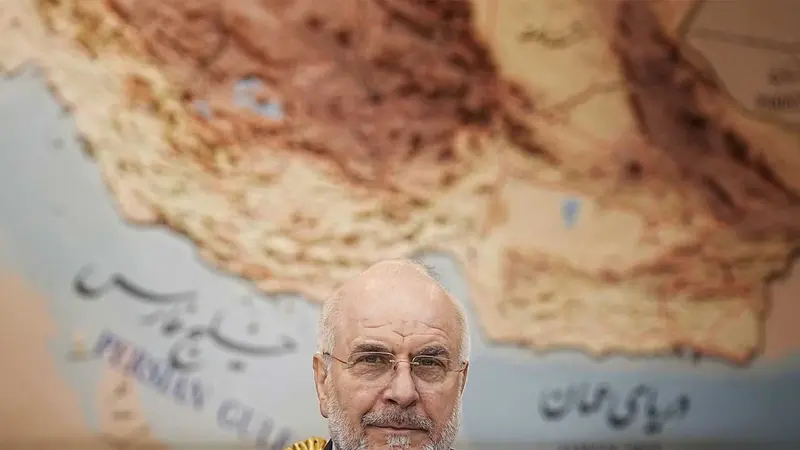
Iran’s parliament speaker and chief negotiator, Mohammad Baqer Qalibaf, presented a different position on access through the strait. According to Reuters, he said it would not be opened until Iran’s seven conditions were met. He linked those conditions to the Islamabad Memorandum of Understanding.
Senior officials meet on Iran and Yemen
Axios and CBS News reported that senior administration officials met at Camp David on October 2 to discuss Iran and Yemen. Vice President JD Vance chaired the meeting.
Participants included Secretary of State Marco Rubio, Hegseth and special envoy Steve Witkoff. CIA Director John Ratcliffe and Joint Chiefs Chairman Gen. Dan Caine also attended. The White House had not disclosed what, if anything, the meeting decided.
Comments
To comment, sign in or create an account. Sign in Create an account
No comments yet.