

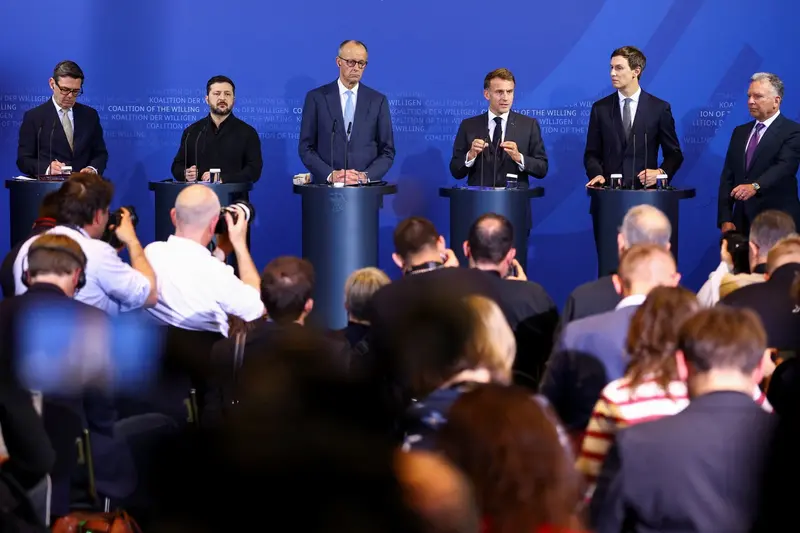
European leaders at a Berlin summit on Thursday said Ukraine and Europe must be included in any negotiations to end Russia’s war, rejecting a settlement shaped by major powers without Kyiv. US President Donald Trump joined part of the meeting by phone, as his envoys described progress on a possible deal and reports pointed to disagreement over continued aid to Ukraine.
German Chancellor Friedrich Merz said support for Kyiv would continue and that any peace talks must include both Ukraine and its European allies. He rejected a Yalta-style arrangement, invoking the post-war division of Europe, and said he was planning multilateral talks involving Ukraine, Russia, Europe and the United States. Merz also argued that peace in Ukraine should come before a broader agreement on transatlantic security.
European leaders call for continued support
French President Emmanuel Macron said Ukraine needed to be able to defend itself and negotiate from a position of strength. He urged allies to keep providing support and called for discussion of Ukraine’s possible membership in NATO. Macron also said Russia had not put forward concrete proposals for peace.
British Prime Minister Andy Burnham said Europe had a unified negotiating position and that the Coalition of the Willing was ready to discuss European security after a peace agreement between Russia and Ukraine. He said British support for Kyiv would continue for as long as needed. Ukrainian President Volodymyr Zelensky said the summit showed Moscow had failed to divide Europe. He also said Ukraine urgently needed more air defence and that drone attacks had hit the Austrian and Dutch embassies.
Trump’s call raises questions over aid
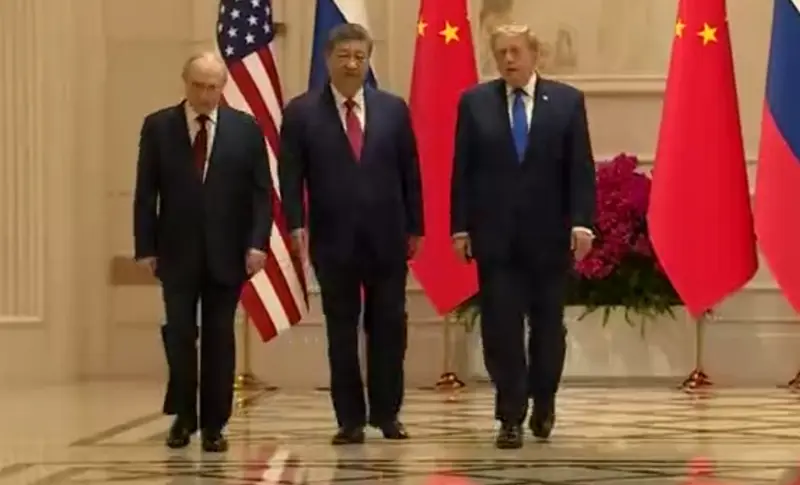
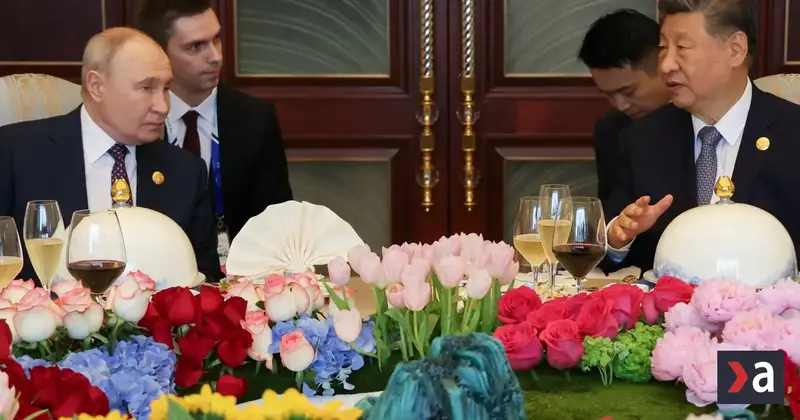
Trump called his son-in-law and envoy Jared Kushner from Air Force One while returning from a meeting in Shenzhen with Russian President Vladimir Putin and Chinese President Xi Jinping. Kushner put the call on speaker for leaders at the Berlin meeting.
Politico, citing people briefed on the conversation, reported that Trump told the leaders Putin was serious about the possibility of peace talks. On aid, accounts of the call differed. Politico reported that Trump was sceptical of continued financial and military support for Kyiv, while some participants linked his criticism to plans for €70 billion in economic aid. Two participants described his intervention as an angry outburst; a third said he had simply pointed to the money countries could save if the war ended.
Envoys describe progress, but guarantees remain unconfirmed
Kushner said progress had been made on Ukraine’s post-war economic recovery, security guarantees and prisoner exchanges, and that NATO would be central to proposed security arrangements. He also said Moscow had accepted in principle guarantees comparable to NATO’s Article 5, which provides for collective defence. Russia has not confirmed such a commitment, and Kushner acknowledged that reservations remain.
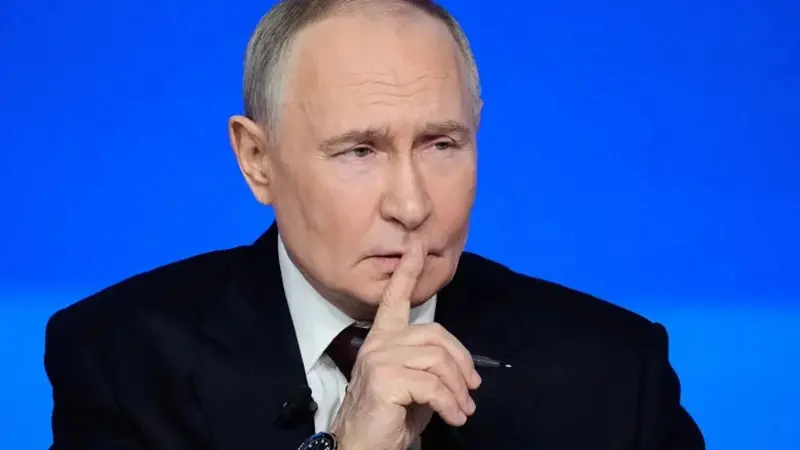
US envoy Steve Witkoff said Trump remained committed to ending the war peacefully and had instructed the envoys to work with the Coalition. The envoys are expected to meet national security advisers to continue developing proposals. At the Shenzhen meeting, Putin said he was willing to compromise to end the fighting, while accusing Kyiv of not wanting a peaceful settlement.
Comments
To comment, sign in or create an account. Sign in Create an account
No comments yet.