

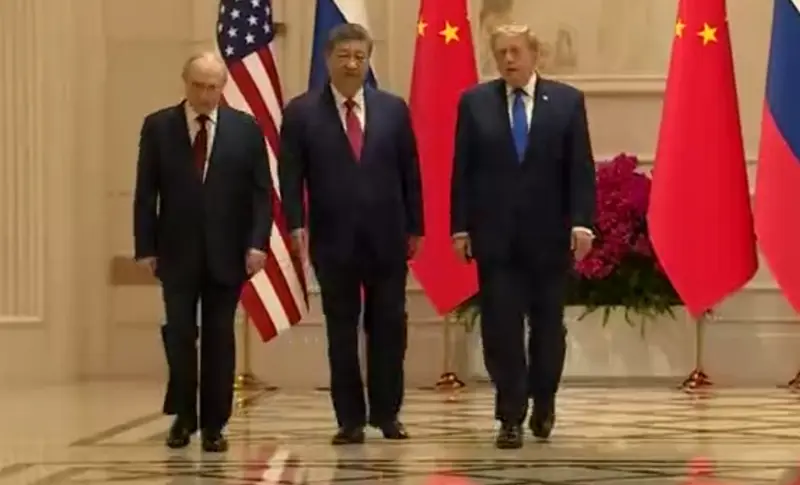
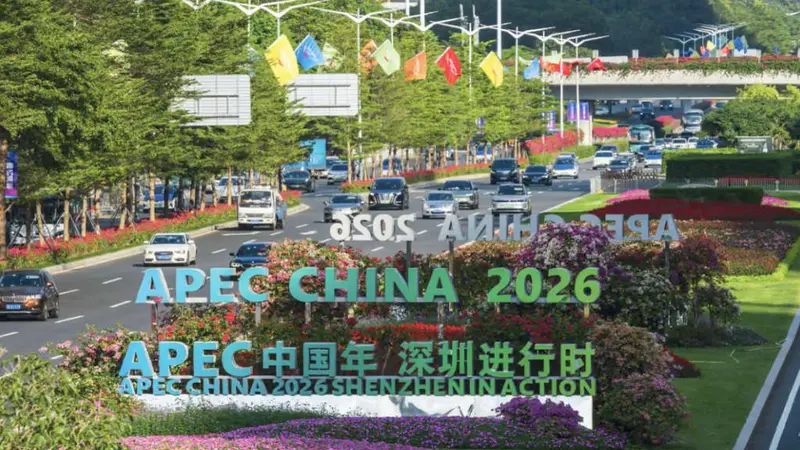
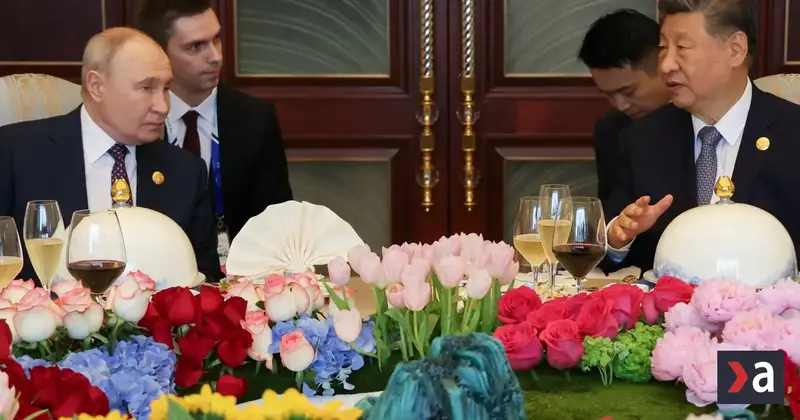
Donald Trump, Vladimir Putin and Xi Jinping held the first trilateral summit of US, Russian and Chinese leaders in Shenzhen on November 19, 2026. They discussed Ukraine, nuclear weapons and the role they said the three powers have in global affairs. Afterward, Putin said the talks had opened the way for further dialogue, but accounts of the meeting did not identify specific agreements or a date for another summit.
Ukraine and nuclear risks on the agenda
Putin said the leaders devoted significant attention to the war in Ukraine and shared interests in resolving regional conflicts, including that one. Trump said Ukraine would be discussed and argued that dialogue was essential to achieving peace.
The leaders also addressed nuclear weapons. Trump said giving them up was difficult and called on the three countries to work together to prevent nuclear proliferation. He also said Iran must not be allowed to acquire nuclear weapons. Xi said nuclear weapons should be completely banned and eliminated.
Putin said the talks covered security more broadly, including nuclear nonproliferation, freedom of navigation and strengthening the United Nations. He also said the International Criminal Court had exceeded its powers. Trump separately described the court as out of control.
Putin responds to Yalta comparison
Putin and Xi both referred to Russia, China and the United States as victors in the Second World War. Putin said the three countries could help strengthen global stability through constructive cooperation and had a responsibility to support the international legal system. Xi called for them to work together on global challenges, saying that relations among major powers affect peace and stability.
Asked about comparisons with the 1945 Yalta conference, Putin said he would not oppose an agreement formalising what he called a victory over “neo-Nazism”. He also said any agreement should reflect what he described as the actual situation in the world.
Trump said the three leaders had a special responsibility for global affairs and stressed the importance of dialogue. A Fuji TV commentator, Toshiyuki Matsuyama, interpreted their repeated references to shared responsibility as suggesting that trilateral talks were needed and that the format might continue. That was his assessment, not a confirmed agreement by the leaders.
The available accounts do not confirm whether the summit produced a joint statement, or whether the leaders agreed on a formal mechanism for further talks.

Comments
To comment, sign in or create an account. Sign in Create an account
No comments yet.