

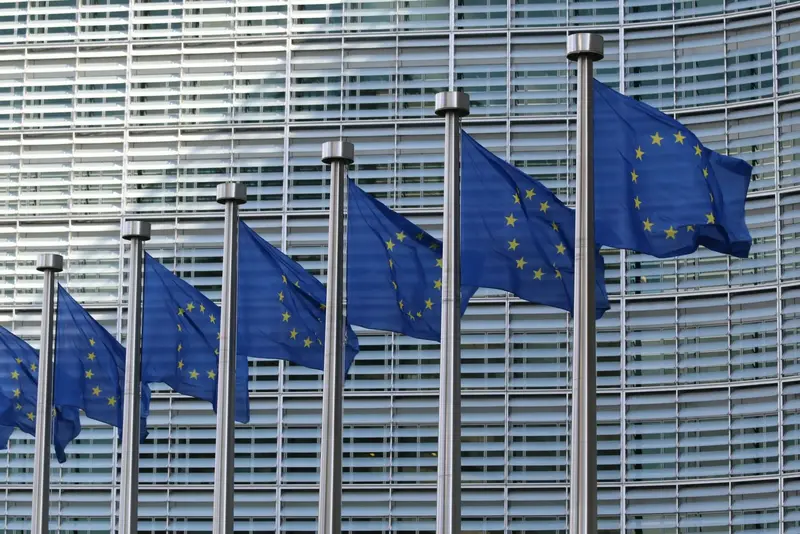
The European Commission has proposed borrowing an additional €45 billion ($49.4 billion) to support Ukraine in 2027, with the money split between the country’s budget and its military. The proposal would cover about two-thirds of Ukraine’s estimated financing needs for next year, but it is not yet an approved loan.
The plan is separate from an existing, interest-free €90 billion EU loan for 2026 and 2027. The new proposal would provide €20 billion for Ukraine’s economy and €25 billion for its armed forces.
How the loan would be funded
The Commission estimates Ukraine will need €70 billion in 2027. Russian attacks on energy and civilian infrastructure, along with disruptions to Black Sea trade, have added to the strain on its finances. Contributions from countries outside the EU have also fallen short of expectations.
The EU would raise the proposed funds on capital markets, using the margin in its budget as a guarantee. Under the plan, Ukraine would repay the loans only after Russia paid reparations for destruction caused by its full-scale invasion.
Profits generated by frozen Russian assets could also help pay the loans. About €204 billion of those assets were held by Belgian financial clearing house Euroclear at the end of September. Euroclear has said it paid the EU about €8 billion in windfall profits from the assets. Belgium has opposed lending the assets themselves to Ukraine.
The Associated Press named Australia, Canada, Liechtenstein, Norway and Switzerland as possible contributors to cover the remaining financing needs.
Approval and burden-sharing remain uncertain
The proposal still needs to be examined by the European Parliament and the Council. Its budget support would be conditional on reforms, including on the rule of law and anti-corruption, and payments would not be automatic.
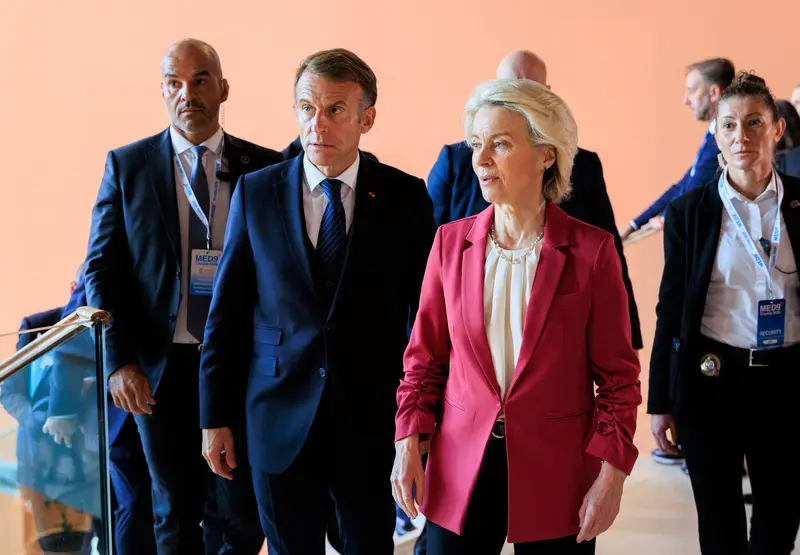
The Associated Press reported that the Czech Republic, Hungary and Slovakia, which declined to take part in the previous loan, are threatening to do so again. European Commission President Ursula von der Leyen said all 27 EU members wanted to support Ukraine and expressed confidence they would join. She also said countries could direct some of their commitments to civilian support.
German Chancellor Friedrich Merz has threatened to hold up agreement on the EU’s next long-term budget unless all member states make a collective commitment to Ukraine’s support. EU leaders are due to discuss the loan and the 2028–2034 budget at a two-day summit in Brussels late next week. EU leaders are due to discuss the loan and the 2028–2034 budget at the summit.



Comments
To comment, sign in or create an account. Sign in Create an account
No comments yet.