

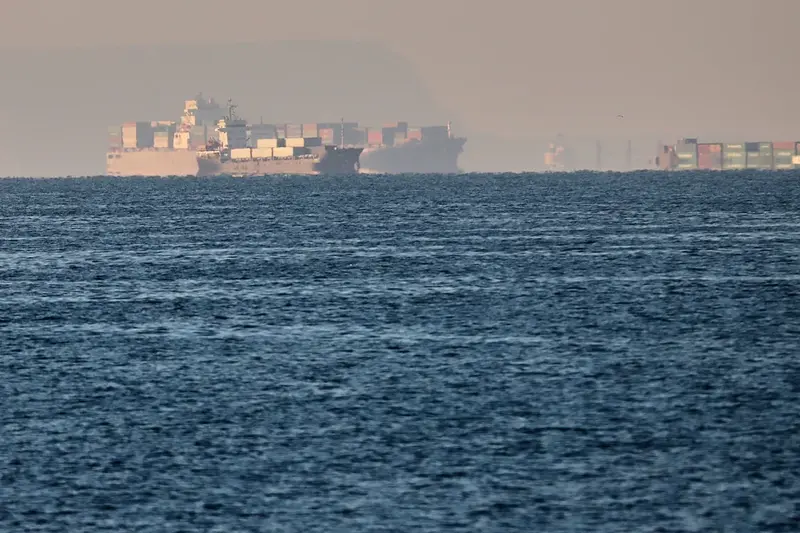
Iran said it targeted a US air base in Kuwait with drones early Wednesday, while Bahrain’s military said it had repelled several Iranian attacks. Kuwait reported intercepting the drones but gave no immediate account of damage, leaving Iran’s claim that it hit air-defence and missile-launch systems unconfirmed.
The attacks extend a series of strikes on US facilities around the Gulf and interrupt a truce that had lasted more than two months. The US military did not immediately comment on the latest attacks.
Different accounts of the attacks
Iran’s army said it targeted Ali Al Salem Air Base in Kuwait, including air-defence systems and platforms for launching drones and missiles. Kuwait’s military said its air defences intercepted the drones and did not immediately report damage. Kuwait condemned the attacks, saying they violated its sovereignty and threatened its security and stability.
In Bahrain, the military said its defences repelled several Iranian attacks but did not provide details of damage or casualties. The Interior Ministry issued two alerts early Wednesday telling people to take shelter, followed shortly by an all-clear. Bahrain hosts the US Navy’s 5th Fleet.
A cycle of strikes
The latest attacks followed events on Tuesday. Iran’s Revolutionary Guard said it had targeted a US military radar system at Bahrain’s Sheikh Isa base. The US then struck an Iranian Revolutionary Guard missile-launch site on Qeshm Island, according to reports that described the strike as retaliation for the attack on the radar installation.
The US military said the earlier attack on its radar equipment in Bahrain caused no damage to its equipment and no injuries. Ahmad Nafisi, deputy governor of Iran’s Hormozgan province, said the strike on Qeshm caused no damage to residential or commercial areas or infrastructure.
Iran said its recent attacks on US facilities in Bahrain, including strikes on Sunday and Friday, were in response to US drone-surveillance operations and an attack on Iranian communications towers. The accounts underline the competing explanations each side has given for the latest round of military action.
Truce and diplomacy under pressure
The clashes have broken a pause in fighting that had lasted more than two months, while negotiations remain stalled despite mediation efforts involving Qatar and Oman. A US naval blockade is weighing on Iran’s economy, and US military escorts have helped restore the passage of oil tankers through the Strait of Hormuz.
Hamidreza Azizi, a senior Iran analyst at the International Crisis Group, assessed that a buildup of military incidents across several fronts raises the risk of miscalculation and escalation beyond what either side intends. Whether the latest attacks caused damage in Kuwait or Bahrain remains unclear, as does how Washington will respond.


Comments
To comment, sign in or create an account. Sign in Create an account
No comments yet.