

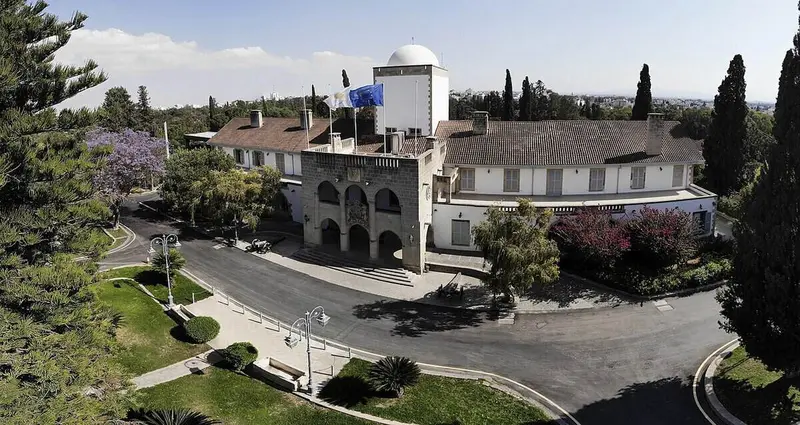
Greek Cypriot President Nikos Christodoulides and Turkish Cypriot leader Tufan Erhurman agreed on November 9 to add two vehicle crossings across Cyprus’s UN-controlled buffer zone. It is the first comparable development in nearly a decade, but the new routes have no opening date yet.
The crossings are planned for the island’s northwest and southeast and are due to open at the same time. There are currently nine crossing points along the 180-kilometer (120-mile) buffer zone, which separates the north from the south.
Long queues at some existing checkpoints have been a grievance for people who use them. ClickOrlando reported that the additional routes are hoped to ease access for thousands of daily users; whether they will do so remains to be seen.
What the agreement changes
Christodoulides and Erhurman met with María Ángela Holguín, the UN secretary-general’s personal envoy for Cyprus, inside the buffer zone on Nicosia’s western outskirts. The agreement settles the leaders’ decision to add two vehicle routes, but not when they will begin operating or their precise locations.
The crossings were among trust-building measures discussed by the leaders over several months. ClickOrlando described the wider effort as one that is hoped to pave the way for full negotiations on the island’s division. Holguín had warned in recent interviews that formal peace talks were unlikely to resume unless the leaders agreed at least on new crossings.
A practical step, not a settlement
The island remains divided between Greek Cypriot and Turkish Cypriot communities. Turkey invaded in 1974 after supporters of union with Greece staged a coup backed by the Greek junta then ruling Greece. Turkish Cypriots declared independence in the island’s northern third in 1983; Turkey is the only country that recognizes it and maintains more than 35,000 troops there.
The dispute over Cyprus’s future remains unresolved. Turkey and Turkish Cypriots say the UN-backed plan to reunify the island as a federation has been overtaken and support two separate states. Turkish Foreign Minister Hakan Fidan restated that position during a November 6 visit to Nicosia, while Turkish President Recep Tayyip Erdoğan has called on other countries to recognize the Turkish Cypriot state.
Greek Cypriots reject formal partition, as well as Turkish demands for a permanent military presence after any settlement and rights for Ankara to intervene militarily. The agreement on crossings does not resolve those disagreements or confirm that formal negotiations will resume.

Comments
To comment, sign in or create an account. Sign in Create an account
No comments yet.