

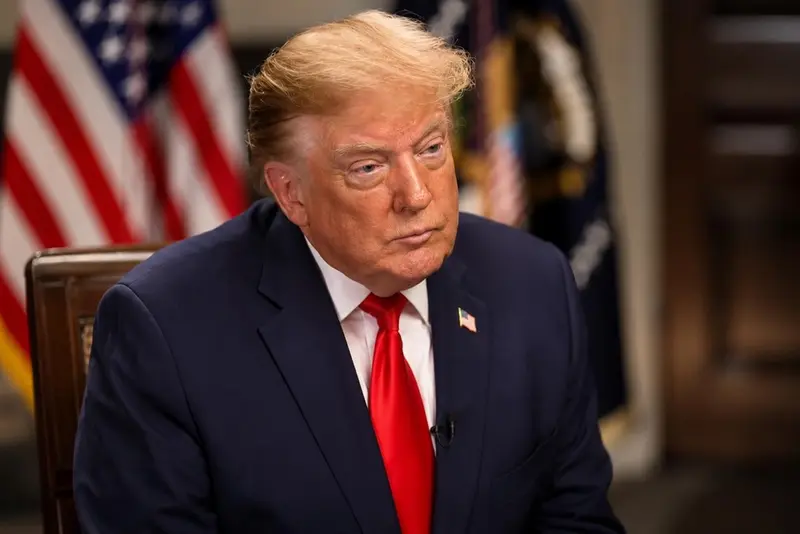
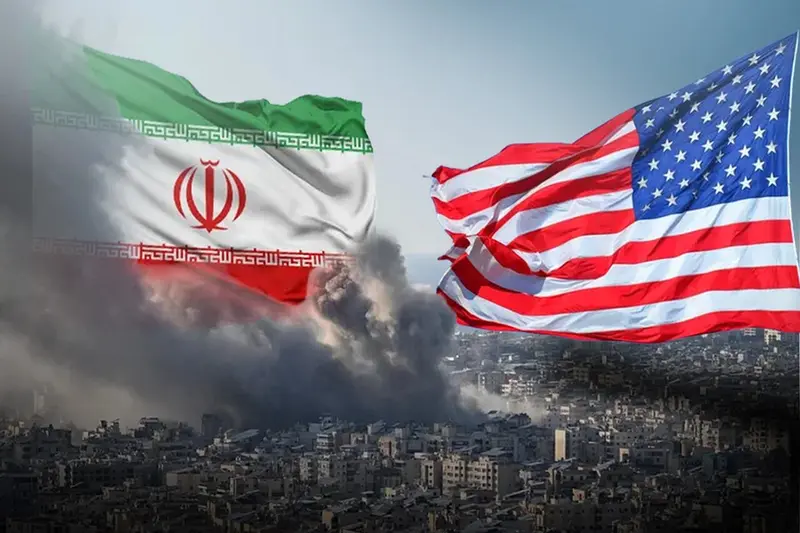
In a CNN phone interview on Sunday, November 8, US President Donald Trump said renewed large-scale strikes on Iran were highly unlikely if negotiations over its nuclear programme and reopening the Strait of Hormuz made progress and produced a strong agreement. He said he would still order attacks if necessary. No final agreement between Washington and Tehran had been confirmed, leaving the prospect of renewed strikes tied to talks that remain unresolved.
Restraint comes with a warning
Trump did not spell out what progress would be enough to avert further military action. He said the decision depended on whether Iran signed a strong agreement, and described the country as weakened. He also said the United States had identified possible infrastructure targets if strikes resumed, including 38 bridges that he said could be destroyed in one hour.
The remarks followed weeks in which Trump had threatened to resume attacks after the midterm elections. His latest statement signals that a diplomatic outcome could prevent that escalation, but it does not rule out force. Trump said the United States had already struck Iran hard and would act again if he judged it necessary.
Both sides describe talks as stalled
US Secretary of State Marco Rubio said negotiations had made little progress and that he saw no imminent breakthrough. He said Trump preferred a diplomatic solution, but described Iran's demands as unacceptable and, in some cases, unrealistic.
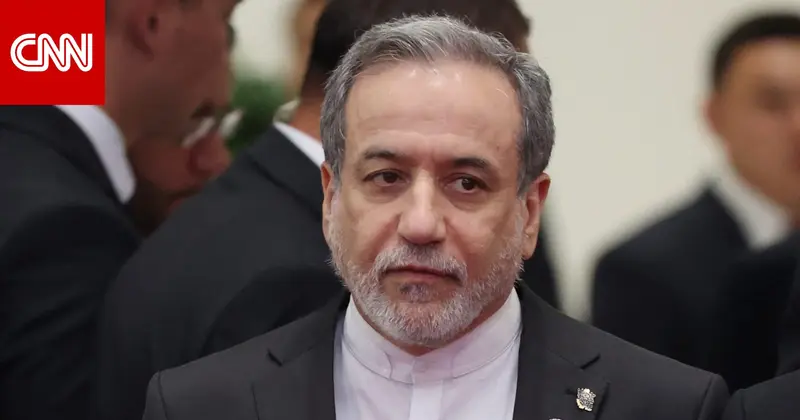
Iranian Foreign Minister Abbas Araqchi gave a different account of the impasse. He said the talks were stalled because of the shock of the Republicans' election defeat and that mediators had made no trips in recent days. Neither side had confirmed a final deal.
The Associated Press reported that an Iranian proposal would have the United States lift its naval blockade and release some frozen Iranian funds in the first stage. Iran would reopen the Strait of Hormuz on the second day under arrangements discussed with Oman, with an end to hostilities on all fronts also part of the proposal. Qatar has played a central role in carrying proposals between Washington and Tehran.
Trump was scheduled to meet Qatar's prime minister and foreign minister, Sheikh Mohammed bin Abdulrahman Al-Thani, at the White House on Monday, November 9. Vice President JD Vance was also due to meet him.
Military incidents and election pressure
The diplomatic uncertainty is unfolding alongside reported incidents at sea. The US military said it had disabled a commercial vessel in the Gulf of Oman. Iran's Revolutionary Guards Navy said two tankers caught fire after hitting mines in the Strait of Hormuz, and the Fars news agency reported that a third tanker had exploded and caught fire. Reuters said it could not confirm the reported strikes.
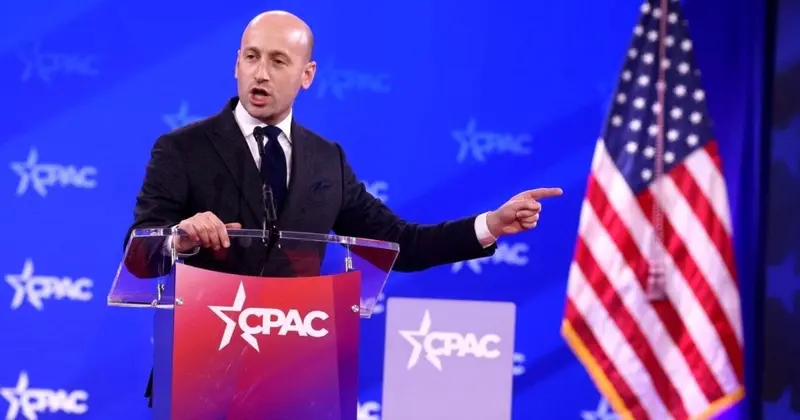
Democrats won control of both chambers of Congress in the November 3 midterm elections. Trump attributed the Republican defeat in part to the Iran war, rising gasoline prices and voter dissatisfaction with Israel. Vance said the war was the reason for the loss, while Trump said many people had disliked Vance's comments. The election result has added political weight to negotiations, but the public statements from Washington and Tehran offer no indication yet of a breakthrough.
Comments
To comment, sign in or create an account. Sign in Create an account
No comments yet.