

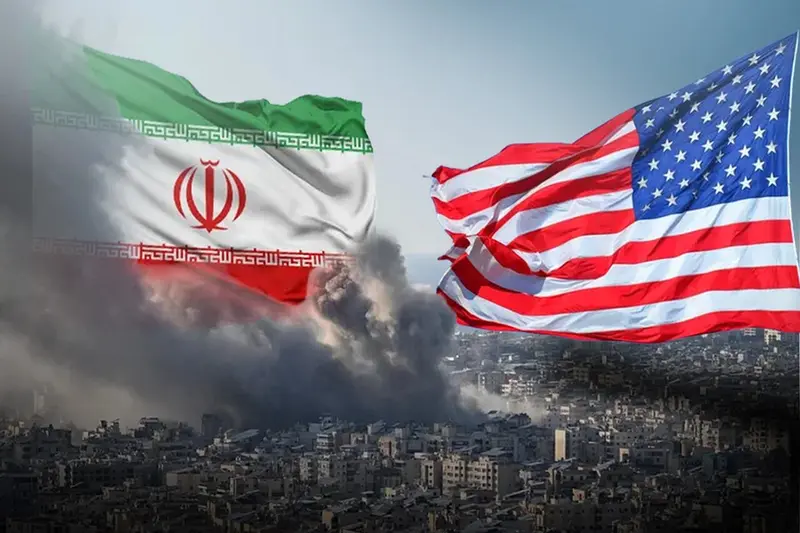
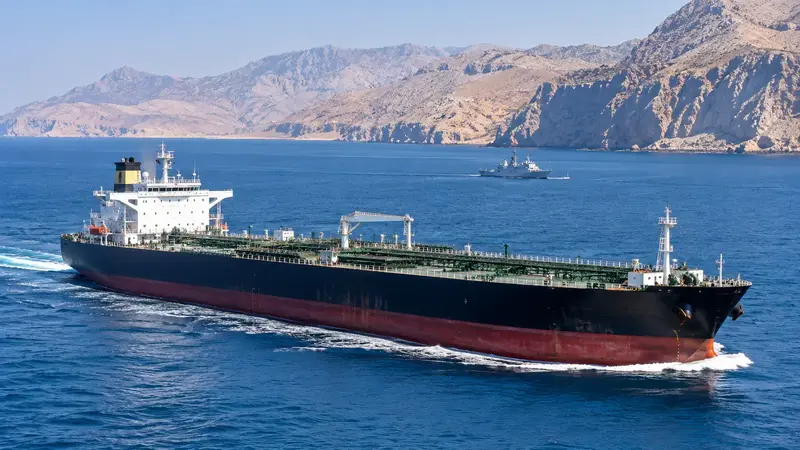
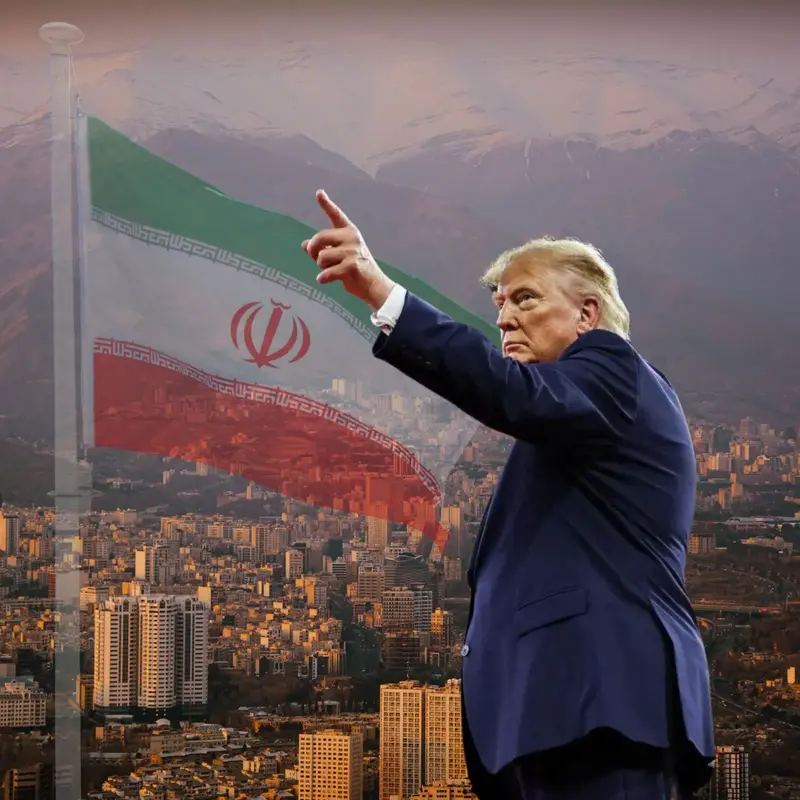
Iranian authorities said on November 7 that they control the Strait of Hormuz and that passage will remain blocked until the United States accepts Tehran’s conditions. The strait is a key route for global oil transport, making Iran’s stated restriction central to the dispute. Iran’s claim of control, and whether passage is in fact fully blocked, have not been independently confirmed.
Hormuz is central to the negotiations
Iran and the United States are holding indirect talks mediated by Qatar, with the aim of reaching a ceasefire or ending the war. The reported impasse centres on control of Hormuz. Tehran says the strait will stay blocked until Washington accepts a package of seven conditions for ending the war.
Iranian officials have listed among those conditions an end to fighting on all fronts, including Lebanon; the release of Iranian assets held abroad; an end to the US naval blockade; and the lifting of sanctions on Iranian oil exports. These are only some of the seven conditions described by Iran. Whether Washington will accept them, or whether the talks will produce a ceasefire, remains unresolved.
Strikes and explosions add to the tension
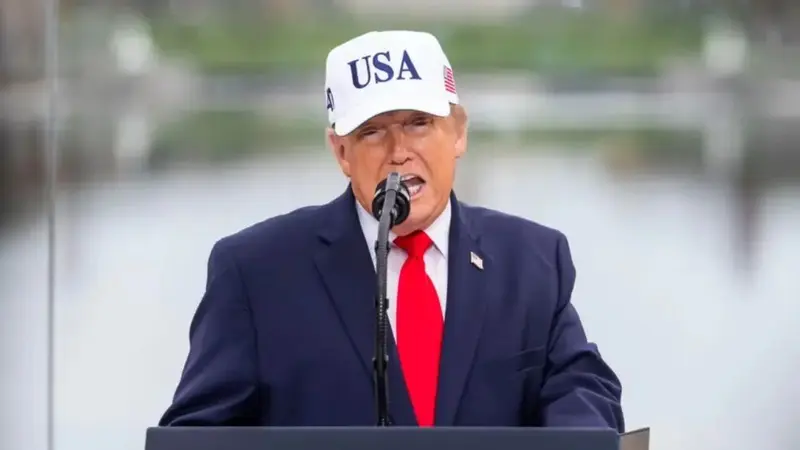
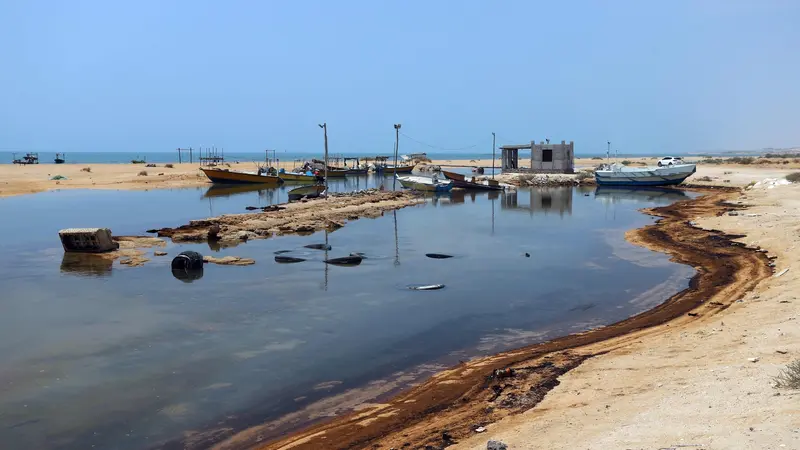
US President Donald Trump confirmed on the night of November 6 that US forces had carried out new limited strikes against Iranian air-defence systems, describing the operations as minor. Iranian media reported two explosions in the Suza area of Qeshm Island, in the Strait of Hormuz. Local witnesses said two projectiles struck the island after an aircraft passed overhead; the reports did not identify the aircraft or establish what caused the explosions.
Iran’s claims about US bases
Iranian Army spokesman Mohammad Akraminia also said more than 228 US bases, positions or deployment sites in the region had been severely damaged or destroyed. He said no US bases in the region remained capable of carrying out operations, forcing Washington to supply ships with fuel and troops with provisions from outside the region. These are Iranian assessments; they do not independently establish the extent of the damage or the operational status of US forces.
Akraminia said Iran would not allow US bases to be rebuilt. He also said Iran’s military doctrine, previously mainly defensive, was shifting towards offensive tactics and strategies, and that Iran would respond immediately if attacked again. The talks’ outcome and the status of maritime passage remain unsettled.
Comments
To comment, sign in or create an account. Sign in Create an account
No comments yet.