

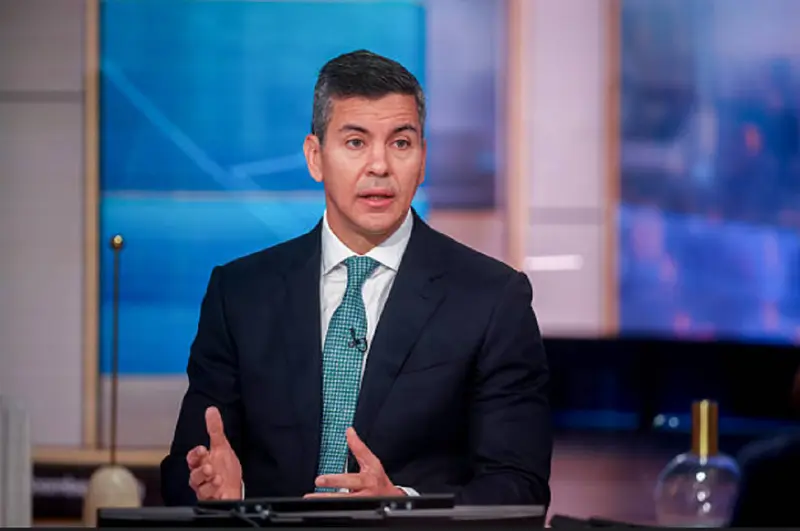
Paraguay’s former president Santiago Peña was detained at his home in Asunción on November 6, hours after the Senate removed him through impeachment. Prosecutors ordered him held at home while they investigate suspected breach of trust and other alleged offences linked to Ueno Bank, whose customers have reported difficulty accessing their savings.
Impeachment followed by detention
The Senate’s removal of Peña changed his status from sitting president to former president; Pedro Alliana, who had been vice-president, was sworn in to complete the term through 2028. The detention order followed within hours. Police held Peña at his residence pending his appearance before the Public Prosecutor’s Office’s Economic and Anti-Corruption Unit.
The case, numbered 92/2026, concerns alleged offences, not a finding of guilt. The next procedural step was Peña’s appearance before prosecutors, but it is not clear whether that has happened or what decision followed. Prosecutors also ordered the detention of Carlos Dagoberto Carvallo Spalding, a former head of Paraguay’s Central Bank; whether that order was carried out has not been confirmed.
Why the bank is central to the case
The Central Bank intervened in Ueno Bank on November 3. The bank’s operations were suspended, it was deemed insolvent and a resolution process began. Ueno had about 2.94 million customers—nearly half the 6.1 million people cited in one account as Paraguay’s population—and customers reported problems reaching their savings.
Reuters figures cited in coverage put public funds managed by the bank at about $850 million. Alliana said people affected by the financial crisis would be fully compensated, but the available information does not set out how or when payments would be made.
Accounts of Peña’s business ties differ
Peña’s relationship with the bank’s controlling group is also contested. Reuters and the Associated Press were reported as describing him as a business partner of that group until March 2025. Ueno Bank, however, said he had never been a shareholder. Those accounts are not identical: a business relationship does not by itself establish direct ownership.
A report by Brazilian outlet PaiPee described Peña as a shareholder in Ueno Holding, a company linked to the controlling group, until March 2025. Uruguay al Día, citing documents gathered by prosecutors, said Peña declared a Ueno Holding stake worth 6.144 billion guaraníes in 2023 and that the shares were listed as sold in April 2025. The accounts differ on when the stake ended, and the reported ownership claims have not been reconciled. The detention and investigation do not resolve those questions or establish that Peña committed an offence.



Comments
To comment, sign in or create an account. Sign in Create an account
No comments yet.