

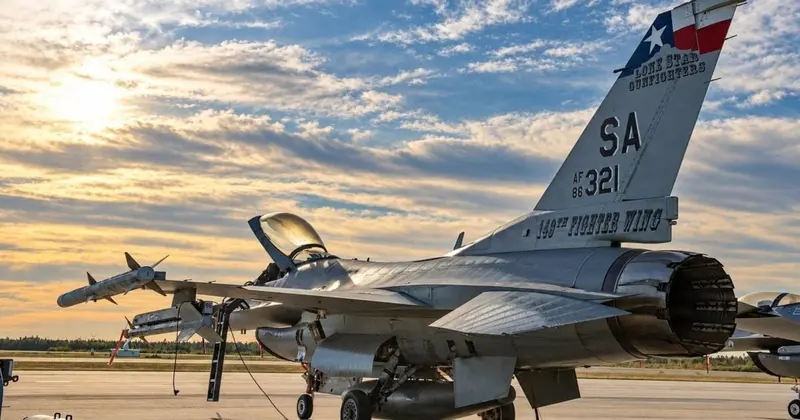
The US struck an Iranian air-defense site on Qeshm Island on November 6, President Donald Trump confirmed. It was the first such attack since Tuesday’s midterm elections, as Washington and Tehran continued negotiations to end the war.
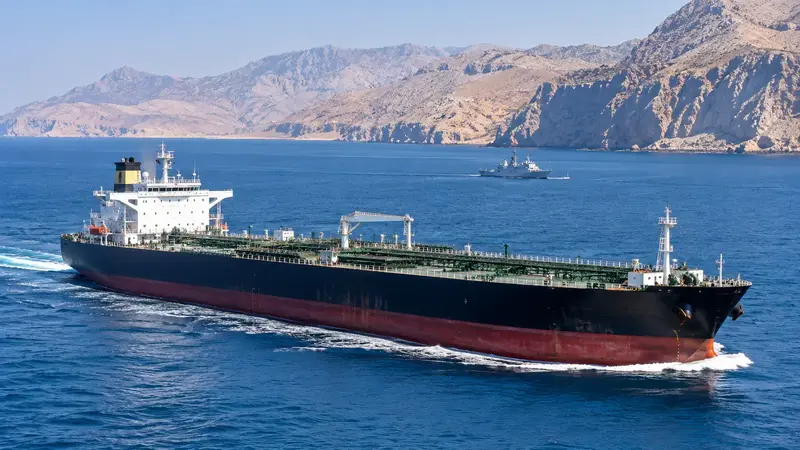
The strike followed attacks on vessels in and around the Strait of Hormuz, but the available accounts do not establish that the ship attacks prompted it. The maritime disruption and diplomacy are unfolding at the same time.
Shipping attacks add to the pressure
Trump said Iran had built an anti-aircraft device and that US forces knocked it out in about 15 minutes, perhaps five. He described the strikes as minor. Those are the president’s account of the target and the operation; the Pentagon has not released a detailed target package.
The Associated Press reported that Iranian state media heard two explosions in the Suza area of Qeshm. The island has a strategic position in the Strait of Hormuz. The UK Maritime Trade Operations agency said at least 11 ships had been attacked in and around the strait over the preceding week, and three had sunk.
A reported nuclear proposal remains unconfirmed
Diplomatic efforts have not stopped alongside the strikes. Qatar’s Prime Minister Mohammed bin Abdulrahman Al Thani said mediation between Washington and Tehran remained active and that the US was still willing to seek a solution. Iranian Foreign Minister Abbas Araghchi said he had spoken with 12 foreign ministers in 48 hours in an effort to prevent further escalation.
Bloomberg, citing a diplomat familiar with the discussions, reported that Iran was willing to talk about parts of its nuclear programme that had previously been off the table. The Guardian reported that Qatar’s latest proposal would have the US lift its Hormuz blockade and release some frozen Iranian assets, while Iran would allow International Atomic Energy Agency inspectors back into bombed nuclear sites. Neither the reported proposal nor its terms have been confirmed as an agreement.
Speaking at Oxford University on November 6, Al Thani said a perfect peace deal should not be awaited at the expense of a good one. His comments included a call not to wait for a perfect peace deal at the expense of a good one; they do not establish that either side has accepted the proposal.
Washington is also tightening economic pressure
US Central Command said its commander, Adm. Brad Cooper, was establishing a 20-member Task Force Iron Gate. The unit is intended to coordinate efforts to stop Iran from using land routes and the Caspian Sea to move advanced weapons and other materials. CENTCOM said the task force would work with US agencies on dual-use technologies, sanctioned materials and illegal revenue streams.
CENTCOM also said the blockade of the Strait of Hormuz had bottled up $25 billion in Iranian crude oil. Separately, Al Jazeera reported that Iranian state broadcaster IRIB claimed Iran’s forces had downed a US MQ-9 drone; CENTCOM described conditions as relatively calm and gave no further operational details. The drone claim remains unconfirmed, and the available accounts do not establish the damage or whether the Qeshm strike caused casualties.
Comments
To comment, sign in or create an account. Sign in Create an account
No comments yet.