

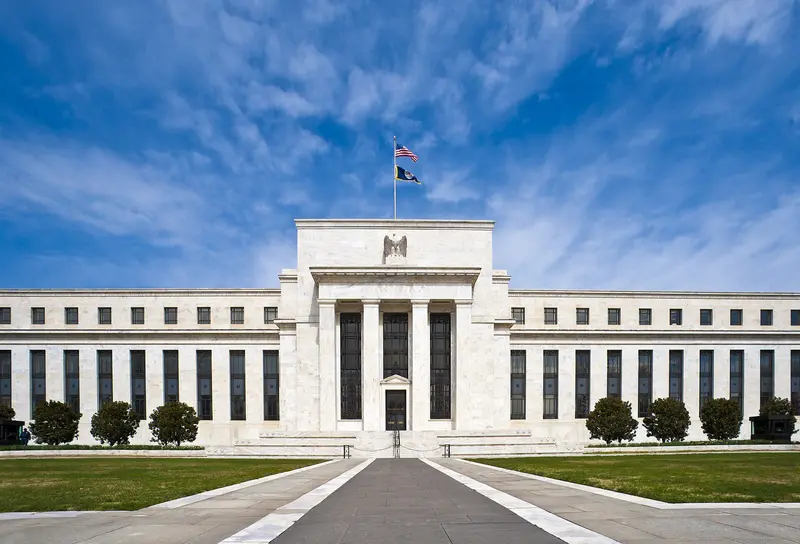
Under Chair Kevin Warsh, the Federal Reserve kept its benchmark rate at 3.75% to 4% on Wednesday after a two-day meeting, leaving U.S. borrowing costs unchanged even as two officials pushed for another increase. The 10-2 vote showed a split inside the Federal Open Market Committee, the Fed’s rate-setting panel, over how to handle inflation that is still above target.
Lisa Cook, a Fed governor, and Beth Hammack, president of the Federal Reserve Bank of Cleveland, wanted a 0.25-point rise. The rest of the committee backed a pause, as policymakers said they needed more information to assess the path of prices.
Inflation remains the main test
The committee said inflation remains above its 2% goal and that it needs more information before deciding on the next move. It also left open a non-automatic path for future meetings, saying the next decision will depend on incoming data rather than a preset schedule.
Compared with September, the Fed upgraded its view of the economy from solid to strong. It said growth is being supported by resilient domestic spending, stronger productivity and robust capital investment, while describing the labor market as relatively stable.
According to the committee, job creation has kept pace with the growth of the workforce and unemployment has changed little. The committee said it needed more information before deciding on policy, even as inflation stays above their target.
What the statement suggests for the next meetings
The Fed also said uncertainty remains elevated, partly because of geopolitical developments. It reaffirmed that it will continue maintaining abundant reserves in the banking system, in line with the Fed’s stated policy of maintaining abundant reserves in the banking system.
Infobae reported that investors expect additional rate increases from December 2026 through 2027 in an effort to bring inflation back toward target. That expectation reflects the slow progress on prices that has kept the Fed’s 2% goal out of reach for more than five years.
The split vote highlighted the debate inside the central bank: two officials still voted for another hike, while the majority is waiting for more evidence before acting. For households and companies, the Fed’s next decisions will depend on incoming data.


Comments
To comment, sign in or create an account. Sign in Create an account
No comments yet.