

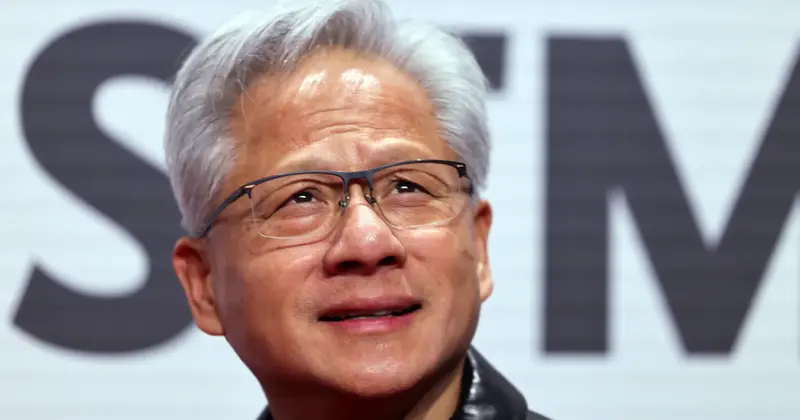
On November 10, Nvidia’s independent directors appointed a lawyer from New York firm Wachtell, Lipton, Rosen & Katz to lead an investigation into CEO Jensen Huang’s relationship with Alice Huang. The move gives the company’s review an outside lead as the FBI separately examines whether Jensen Huang was targeted by a foreign intelligence operation. The Korea Times reported allegations that the relationship helped facilitate at least $7.5 billion in Nvidia chip shipments to China.
Nvidia said its board has no reason to believe national security or company secrets were compromised. It also said Jensen Huang would cooperate with the review. He is being investigated by the company and is named in a shareholder lawsuit; the sources report no criminal charge against him.
How the relationship intersected with chip access
The New York Times reported that US officials had concluded Alice Huang was a Chinese intelligence asset, and later reported that China’s Ministry of State Security had recruited her to spy. China’s Foreign Ministry has rejected the espionage allegations. The claims have not been established in court.
The reported business links go back at least to December 2023, when the two Huangs met with colleagues at a restaurant in Singapore. The New York Times reported that Alice Huang had restructured Megaspeed, a Singaporean company, using a Singapore shell company to gain access to Nvidia chips despite US export restrictions. Four days after the ownership change, Megaspeed became an Nvidia cloud partner, according to the Times.
The Times also reported that Megaspeed bought billions of dollars’ worth of Nvidia’s advanced AI technology between 2024 and 2026. The Korea Times separately reported the allegation that the relationship aided at least $7.5 billion in shipments to China. Those reports describe alleged links and do not establish that Jensen Huang knowingly helped divert chips.
Market and political scrutiny
The financial impact has been reported using different periods. MyJoyOnline said Nvidia’s shares reached a near-yearly low on November 10 and that the company had lost more than $500 billion in market value since Friday. The Korea Times put the loss at about $430 billion over two sessions and reported that the shares had fallen 9.5% since the affair became public.
A shareholder has also sued Nvidia and Jensen Huang in California, accusing them of concealing information about the relationship and related national-security concerns. The complaint seeks damages of an unspecified amount and asks for class-action status. Those are allegations, not findings.
There is also a dispute over what President Donald Trump knew. The New York Times reported that Secretary of State Marco Rubio briefed Trump in May on intelligence about Huang’s connection to a woman believed to be a Chinese spy. Trump said he did not know of the alleged ties when Huang accompanied him to China that month; a White House official disputed the Times report. Leaders of the House Foreign Affairs Committee have asked Huang to attend a closed-door briefing the following week, but he has not said whether he will go.

Comments
To comment, sign in or create an account. Sign in Create an account
No comments yet.