

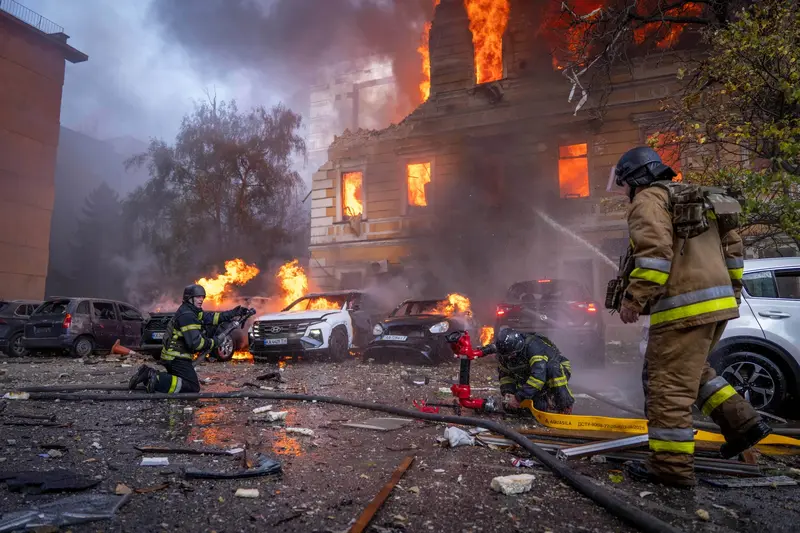
Russia carried out a large missile-and-drone attack across Ukraine on Sept. 30, with Kyiv and the surrounding region a primary focus, according to Russian and Ukrainian officials. The overnight strikes affected 11 regions and hit energy facilities as well as residential buildings, social infrastructure, civilian enterprises and railway lines.
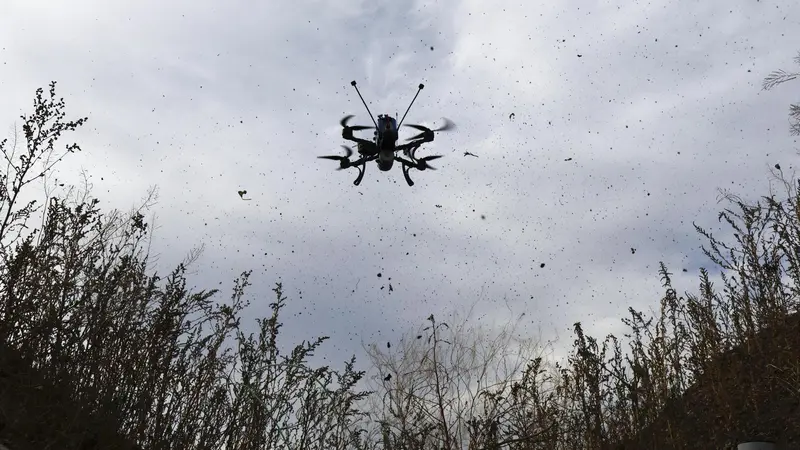
Ukraine’s Air Force said Russia used 188 drones along with anti-ship and ballistic missiles. It said five missiles and 155 drones were intercepted. Ukrainian officials described the operation as the largest combined attack of this scale since the end of the previous heating season. Russia’s Defense Ministry called it a massive strike on power infrastructure.
Ukrainian officials reported five deaths nationwide, including a child in the Kyiv region. A separate account said four people, including two women and a 14-year-old child, were killed in Kyiv and nearby areas. Earlier reports had cited six deaths and 33 injuries, while initial accounts gave lower or unconfirmed figures.
Damage across Kyiv and other regions
Fires and damage were reported in several Kyiv districts. Kyiv Mayor Vitali Klitschko said residential buildings, businesses, warehouses, vehicles and other infrastructure were affected. He also reported debris at the grounds of an unnamed Western embassy in central Kyiv.
Authorities reported damage to critical facilities in the Zhytomyr, Mykolaiv, Kirovohrad and Rivne regions. The Russian Defense Ministry said the Trypilska thermal power plant, a major supplier for the Kyiv area, was among the targets. The plant’s operator confirmed damage to generating equipment. Thick smoke covered parts of Kyiv, and residents in some areas were advised to keep their windows closed.
The Ukrainian account said a drone entered Moldovan airspace and exploded near the village of Hîrbovăț. Romania and Poland announced fighter-jet takeoffs, and flights at Poland’s Lublin and Rzeszów airports were temporarily suspended, according to the report.
Pressure on the energy system
Power disruptions followed the strikes. DTEK, Ukraine’s largest private energy company, said it restored electricity to about 8,000 households after what it called a difficult night for the capital. Problems remained in other parts of the country.
Ukraine’s grid operator, Ukrenergo, urged consumers to limit the use of high-consumption electrical appliances between 10 a.m. and 4 p.m. because available supply had fallen. Prime Minister Sergiy Koretsky instructed local authorities to inspect backup power systems at critical facilities and speed up their installation and connection.
Officials warn of a wider winter campaign
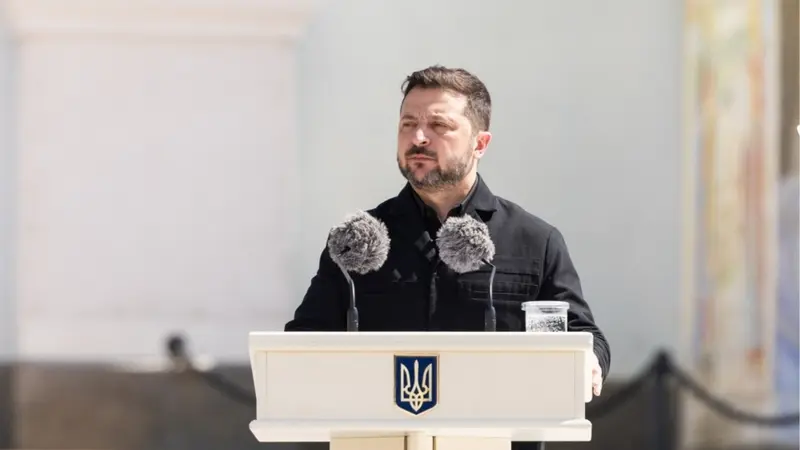
Koretsky said attacks on Ukraine’s energy infrastructure had occurred almost daily since the summer, but that a combined strike of this scale had not occurred since the previous heating season. President Volodymyr Zelensky urged Ukraine’s partners to provide more air-defense systems as winter approaches.
Earlier reporting said Ukrainian officials had identified newer jet-powered drones, which they described as faster and harder to intercept than traditional Shahed-type drones. The full extent of the damage and the casualty toll remained subject to further assessment.

Comments
Comments are closed.