

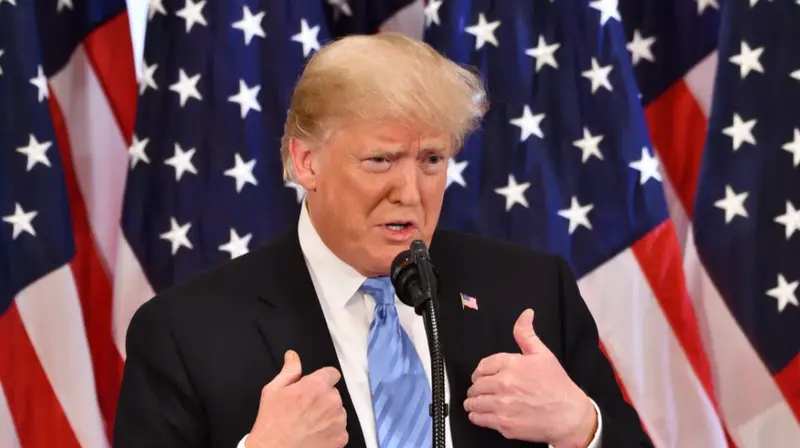
Ukrainian President Volodymyr Zelensky said on October 11 that Ukraine would halt attacks on Russian refineries only if Moscow stopped striking Ukrainian energy infrastructure. His demand for reciprocal action followed U.S. President Donald Trump’s diesel agreement with Russian President Vladimir Putin. Trump said the arrangement would help lower fuel prices.
Zelensky said any steps to reduce hostilities must be reciprocal and backed by concrete guarantees. Trump had demanded that Ukraine stop refinery attacks and urged it to elect a new leader.
Diesel deliveries and sanctions
Trump and Putin spoke by telephone on October 9 about the war and global energy markets. Trump subsequently announced an arrangement allowing increased Russian diesel supplies to the United States and international markets.
According to Washington and Moscow, Russia would supply 300,000 tonnes beginning in October, increasing deliveries to 1 million tonnes in December. Accounts of the schedule differ: another described 500,000 tonnes in November, 1 million at a later stage and another 3 million shortly afterward.
The agreement’s precise legal and commercial terms, and whether deliveries have begun, remain unclear. Reports described an easing of restrictions on Russian diesel exports.
Zelensky called the agreement weak and unfair, saying it would not bring peace. He said it offered Russia an opportunity to replenish its reserves and finance the war.
Refinery strikes divide Washington and Kyiv
Trump criticized Ukrainian attacks on Russian refineries, saying Kyiv had disregarded his warnings. He linked those attacks to a global diesel shortage.
An unnamed U.S. official told Axios that Washington had asked Kyiv about six times to stop the attacks. The official said Ukraine’s refusal preceded the diesel arrangement.
During eight-hour talks in Miami, Florida, on October 9, U.S. envoys Steve Witkoff and Jared Kushner briefed Ukrainian negotiators. According to a Greek news website’s account, they said Trump was expected to speak with Putin and ease restrictions on Russian diesel exports.
A Ukrainian official said the envoys threatened to stop sharing U.S. intelligence if Kyiv continued to disregard Trump’s demands. A U.S. official denied that any such threat was made.
Dispute extends to peace negotiations
Trump said on October 10 that Russia wanted an agreement to end the war. He accused Zelensky of rejecting opportunities to settle the conflict and called for Ukraine to elect a leader capable of reaching a deal.
The Kremlin said Putin had received U.S. proposals for measures to reduce hostilities with understanding. It gave no further details.
Kaja Kallas, the European Union’s foreign policy chief, criticized the easing of restrictions on Russian diesel. She said suspending sanctions would provide Moscow with more revenue to finance the war, and Europe would not reduce pressure on Russia.
Comments
Comments are closed.