

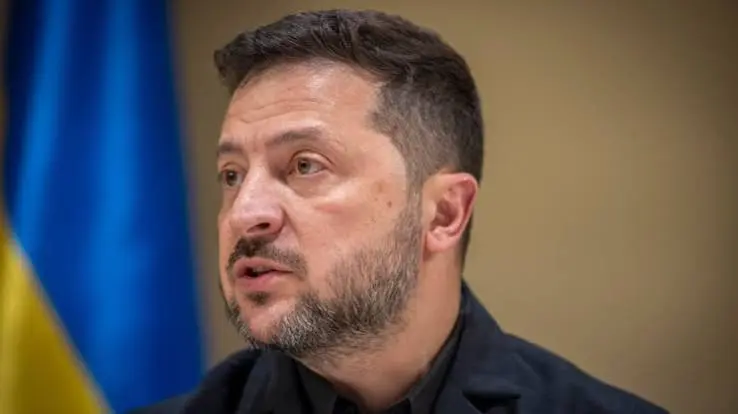
U.S. President Donald Trump said on October 12 that an energy ceasefire between Ukraine and Russia was in effect. But Ukrainian President Volodymyr Zelensky reported further Russian strikes, and Moscow did not confirm it had agreed. The dispute concerns a proposed halt to attacks on both countries’ energy infrastructure.
Ukraine offers a reciprocal pause
Zelensky said Ukraine had stopped attacking Russian energy sites after Trump’s October 11 announcement. He said Kyiv was ready to continue the pause if Russia did the same, but reserved the right to respond otherwise.
Speaking at the Warsaw Security Forum in Poland, Zelensky described Russian attacks hours after the announcement. He said they hit a power plant in Kharkiv, northeastern Ukraine, a gas production facility and a civilian gas station.
The Ukrainian outlet Detector Media also reported that Zelensky initially said Ukraine’s agreement to the ceasefire came as news to him. His subsequent statements expressed support for a reciprocal halt to energy attacks.
At the White House, Trump said both countries had agreed to the ceasefire. Asked about Russian attacks, he said there had been violations on both sides and that he would examine the reports. Kremlin spokesperson Dmitry Peskov said contacts were continuing without confirming Russian acceptance.
The ceasefire’s full terms, duration and monitoring arrangements remain unclear. European Union foreign policy chief Kaja Kallas said she welcomed a pause but had seen no sign Russia would respect it. She also said a ceasefire should protect people, not only energy facilities.
The Associated Press reported that a Russian drone strike on a Kyiv apartment building on October 12 killed two people and injured nine. A strike the previous day in Pisochyn, in the Kharkiv district, killed three and injured nine, including children, according to the regional prosecutor’s office.
Diesel talks advance despite opposition
The ceasefire announcement followed Trump’s October 9 diesel deal with Russian President Vladimir Putin. Russian Deputy Prime Minister Alexander Novak said Russian and U.S. energy officials and companies were discussing supplies. He said Russia had partially lifted its diesel-export ban.
Novak said Russia could export 3 million to 3.5 million tons of diesel a month to global markets by the end of 2026. He said exports would not reduce domestic supplies because Russian refining capacity exceeded demand.
Six U.S. senators, including four Republicans, urged the Trump administration to reverse the deal. They said the United States should not give Putin financial support while Russia was killing Ukrainian civilians.
Election demands bring separate ceasefire conditions
Trump also called on October 10 for Ukrainians to elect a new leader capable of reaching a deal with Russia. Zelensky said wartime elections were impossible, but he would work toward holding them under a full ceasefire lasting at least 60 days.
Peskov said Putin would be prepared to halt strikes specifically on election day. He said Kyiv wanted the longer ceasefire to rebuild its strength and continue the war.

Comments
To comment, sign in or create an account. Sign in Create an account
No comments yet.