

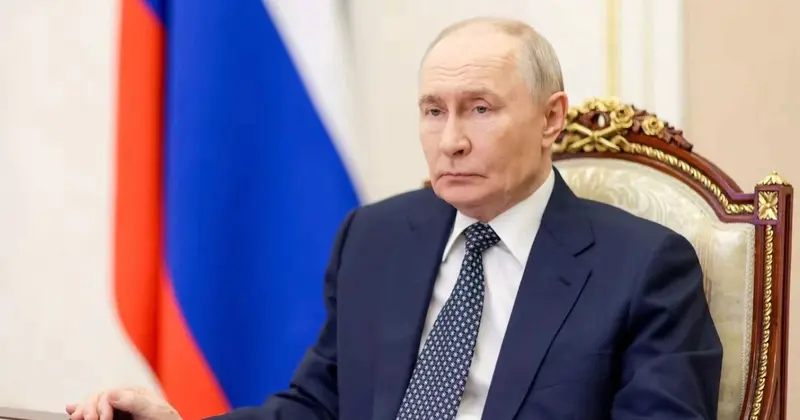
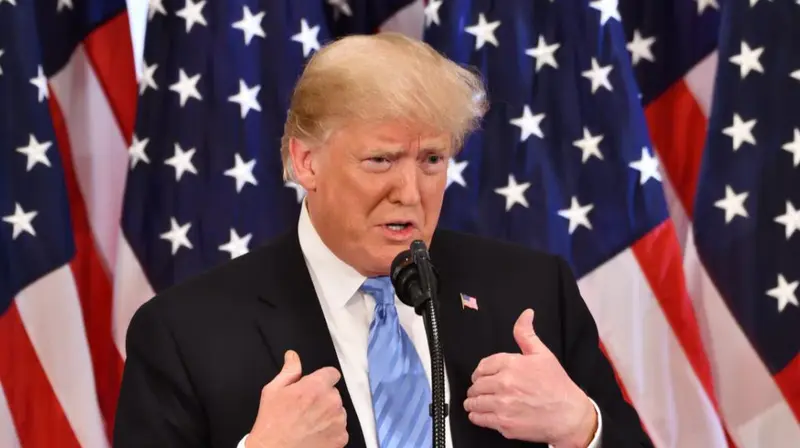
US President Donald Trump defended his Russian diesel import plan on October 12 amid bipartisan opposition in Congress. He said the agreement would reduce US energy prices. Senators opposing it said American purchases would help finance Russia’s war against Ukraine.
The plan, announced on October 9, would supply diesel to US and global markets. Trump described it as the right choice for Americans, while lawmakers questioned its legality and the administration’s failure to consult Congress.
Senators challenge the import plan
Republican and Democratic senators called for the agreement’s immediate reversal in a joint statement. They argued that it contravened a 2022 law banning Russian energy imports. They also criticised the administration for proceeding without consulting Congress or explaining its decision.
Accounts differ on whether six or seven senators signed the statement. Both include Republicans Susan Collins, Lisa Murkowski, Thom Tillis and John Curtis, and Democrats Jeanne Shaheen and Richard Blumenthal. The plan’s legal basis remains unclear.
The reported quantities also differ: more than 2.25 million barrels, an immediate supply of 300,000 tonnes, or several million tonnes. It is unclear whether those figures cover the same shipments or period.
Energy experts questioned how much the imports would lower US prices. Experts cited in Reuters reporting said the additional volume would be smaller than the US transport sector’s daily consumption. They identified the war in Iran as the main driver of higher fuel costs.
US envoys link diesel to peace talks
The administration also presented the deal as a way to bring Russia back to negotiations, according to sources cited by Reuters. US envoys Steve Witkoff and Jared Kushner discussed that approach with Ukrainian officials in Miami on October 9.
The sources said the envoys told Ukraine that Russian President Vladimir Putin was not ready to negotiate an end to the war. They suggested the diesel agreement could help restart talks involving the United States, Russia and Ukraine.
A third source said the deal could help soften Moscow’s position by signalling Trump’s willingness to do business with Russia. Kushner also repeated the administration’s request for Ukraine to stop attacking Russian oil refineries, according to the Reuters sources.
Energy ceasefire remains unconfirmed
Trump announced an energy ceasefire between Russia and Ukraine on October 11. Neither side confirmed the agreement, and Russian strikes on Ukrainian energy facilities were reported on October 12.
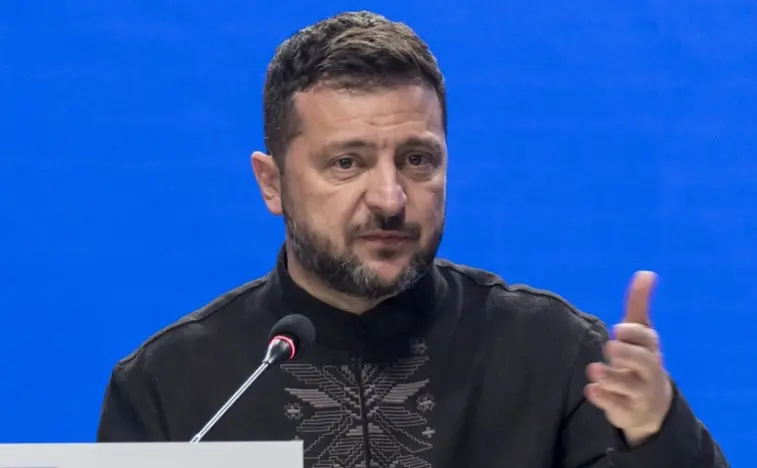
Ukrainian President Volodymyr Zelensky said Ukraine had refrained from attacking Russian energy sites while Russia continued its strikes. Kremlin spokesperson Dmitry Peskov did not confirm a specific agreement and said contacts were continuing. The ceasefire’s terms, duration and monitoring arrangements remain unclear.
The Atlantic reported that Zelensky offered to halt refinery attacks if Russia stopped striking Ukrainian power plants. An anonymous White House official told the magazine that Trump rejected that condition and wanted Ukraine to stop first.


Comments
To comment, sign in or create an account. Sign in Create an account
No comments yet.