

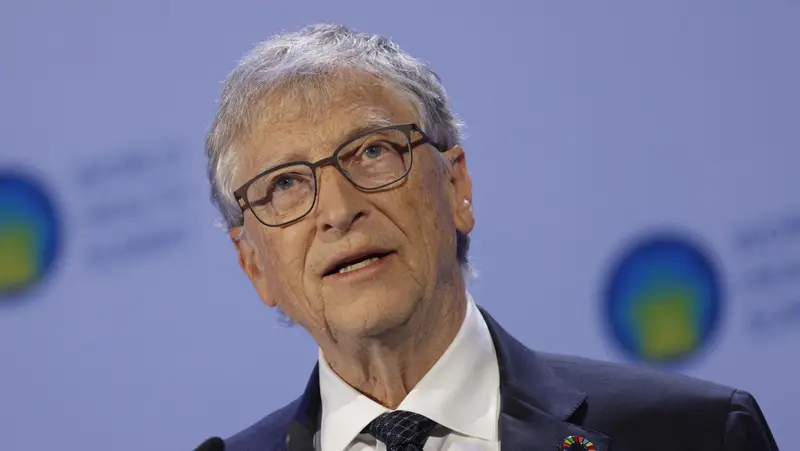
Microsoft co-founder Bill Gates warned in October interviews with CNN and ABC News that artificial intelligence could drive more cyberattacks in 2027. He said malicious users could exploit models whose safeguards can be removed, creating risks that require stronger government oversight.
Gates expects the most immediate problems to come from people misusing the technology, rather than AI systems escaping human control. He forecast a significant increase in attacks and warned of negative surprises, particularly in cyberspace.
Malicious users pose the immediate threat
Gates said safeguards are put in place to prevent AI from being used for cyberattacks and bioterrorism. But those protections can currently be disabled, he said, allowing malicious users to work with the latest models without those restrictions.
In his CNN interview, Gates described financial incentives for such attacks. Attackers could threaten disruption to demand payment, or cause disruptions designed to affect stock markets or bets.
He distinguished those threats from the longer-term risk of losing control over AI. His warning focused on how people use technology already available to them.
Gates calls for government oversight
Gates said current efforts to address AI risks are insufficient. He rejected relying solely on companies to regulate themselves, opposing the approach he attributed to US President Donald Trump.
He urged the US government to intervene and said there was no significant regulatory capacity to keep people safe. Gates also described AI as more transformative than the internet or computing, and as the most dangerous technology humans have invented.
Microsoft president Brad Smith separately called for global AI security rules and independent assessments of new models. His proposals included an emergency stop mechanism and a legal requirement for companies to report incidents. Details and a timetable for the government rules Gates advocates remain unclear.
Earlier warnings included bioterrorism
The CNN interview also revisited Gates’s concern that AI could help malicious actors develop deadly biological weapons. In those earlier warnings, he put the risk of a bioterrorist attack at 50 times that of a natural pandemic.
Gates had also outlined possible scenarios involving cyberattacks that could disable banks and power grids. His earlier warnings included the possibility that bioterrorists could cause hundreds of millions of deaths.

Comments
To comment, sign in or create an account. Sign in Create an account
No comments yet.