

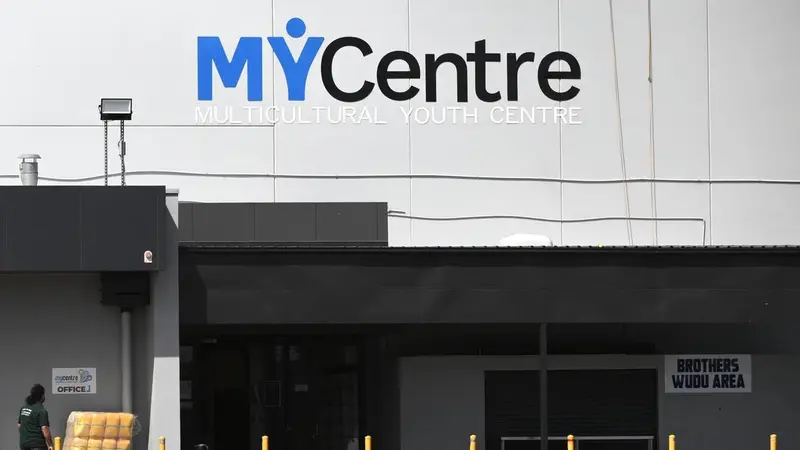
Melbourne imam Samir Mohtadi denied on Monday evening that he or his Islamic community centre had links to an Omani co-pilot accused of attempting to hijack a flydubai flight. UAE prosecutors had linked the pilot’s time in Australia to his alleged radicalisation.
Mohtadi, also known as Abu Hamza, leads MyCentre, an Islamic community centre in Melbourne’s northern suburb of Broadmeadows. He said he had never met the co-pilot, Hammam al-Hammami, and the centre had no record of his attendance.
Centre leader rejects UAE allegations
In his social media statement, Mohtadi said authorities should have checked the allegations with him before publishing them. He described attempts to associate him or MyCentre with al-Hammami as unfounded and misleading.
Mohtadi said the allegations risked damaging an organisation that had served the wider Australian community for decades. He said his work and the centre’s activities promoted peace, mutual respect and community wellbeing, and rejected violence.
Neither Mohtadi nor MyCentre is accused of criminal wrongdoing. The Australian Federation of Islamic Councils also rejected suggestions linking the centre to violent extremism. It said there was no evidence MyCentre had endorsed, facilitated or tolerated violence or unlawful activity.
Co-pilot remains in UAE custody
Al-Hammami is accused of attacking the captain and trying to seize control of a flydubai flight from Dubai to Tel Aviv on September 30. He is now in custody in the United Arab Emirates.
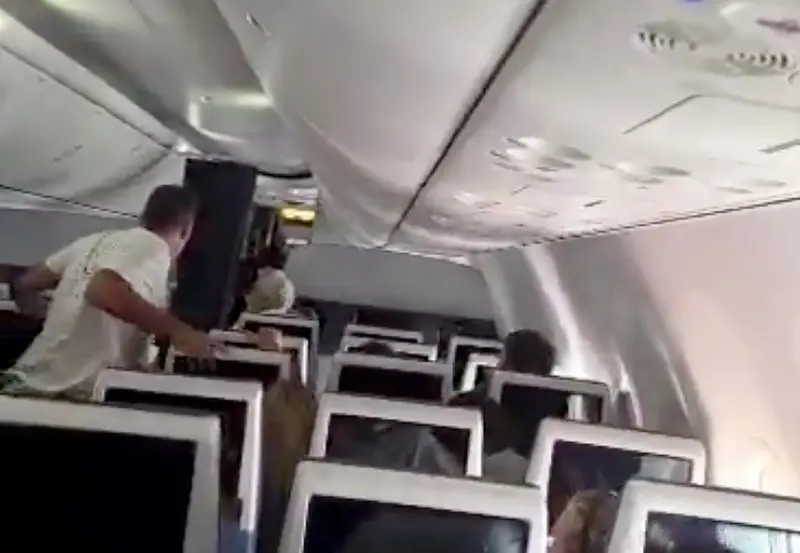
According to an account of the UAE prosecution findings, he allegedly attacked captain Smit Machchhar with an emergency axe. The captain fought back, while another pilot, cabin crew and passengers helped restrain the co-pilot. The aircraft was diverted to Tabuk Airport in Saudi Arabia.
UAE prosecutors said al-Hammami drew inspiration from the September 11, 2001 attacks. They alleged that his attempt was intended to cause the greatest possible loss of life.
Australian connections under investigation
UAE Attorney-General Hamad Saif al-Shamsi said signs of extremism emerged while al-Hammami was studying at Melbourne’s RMIT University in 2017. Prosecutors said extremist literature and online material glorifying terrorist groups and suicide attacks influenced him.
Accounts of the alleged MyCentre connection differ: some describe attendance, while others describe acquaintances associated with the centre. Mohtadi denied knowing him, and Australian authorities have not confirmed the UAE allegations.
The Victorian Joint Counter-Terrorism Team is investigating al-Hammami’s Australian connections, including his university studies. Victoria University extremism researcher Debra Smith said his alleged radicalisation appeared largely self-directed, involving withdrawal from university and Muslim community contacts.
New Zealand police also said al-Hammami had spent time in that country on a six-month student visa. He completed part of his flight training there, according to their account reported by national broadcaster RNZ.


Comments
To comment, sign in or create an account. Sign in Create an account
No comments yet.