
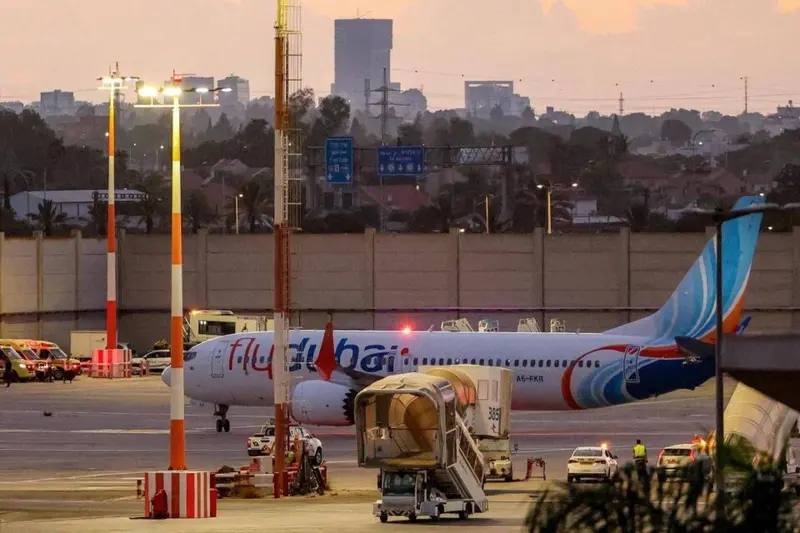
Israel was prepared to shoot down a Flydubai passenger aircraft after its co-pilot attacked the captain on September 30, Israeli sources told CBS News. Flight FZ1073, travelling from Dubai to Tel Aviv, instead diverted to Saudi Arabia and landed safely in Tabuk.
The sources said Israel launched fighter jets and closed its airspace after attempts to contact the cockpit went unanswered. The jets were recalled when Israeli authorities established that the aircraft was heading towards Saudi Arabia.
Passengers and crew intervene
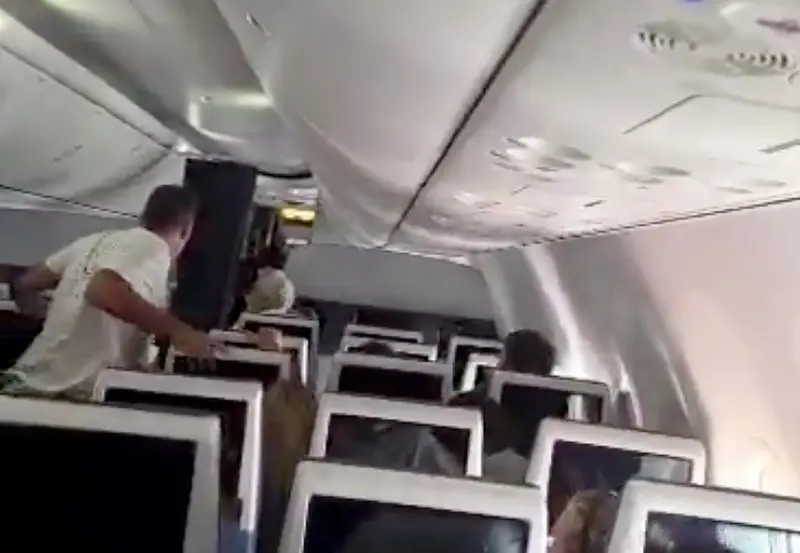
The co-pilot attacked and wounded Captain Smit Machchhar inside the cockpit. The captain fought back and opened the cockpit door, allowing passengers and Flydubai staff to overpower the attacker. Two off-duty pilots aboard then took control of the aircraft.
Reports identified the co-pilot as a 29-year-old Omani national, Hamam al Hamami. The United Arab Emirates attorney general described the incident as an attempted terrorist act and said the first officer tried to take control of the plane.
A Pakistani news report, citing Israeli sources, said the aircraft plunged 14,000 feet during the incident. It also reported that Saudi Arabia launched its own fighter jets after the aircraft turned towards the country.
How Israel's response could have escalated
Israeli sources described a procedure for responding to a possible aircraft attack similar to September 11. Had the flight continued towards Israel, fighter jets could have entered Jordanian airspace to assess the situation.
The military pilots would have approached the aircraft to try to establish visual contact with the cockpit. They would also have inspected the passenger cabin for signs of panic before reporting their observations.
Under the procedure described by the sources, a committee would involve the defence minister and prime minister if officials determined the aircraft had been hijacked. That step would apply if the suspected hijacker remained silent on the radio and made no demands. Only the prime minister could authorize a shootdown.
The sources said destroying the aircraft would have been considered preferable to allowing it to hit a major target. They cited Ben Gurion Airport and the Azrieli buildings in Tel Aviv as examples.
Investigators examine alleged planning
Reuters, citing Israeli officials familiar with the investigation, reported that the co-pilot told UAE interrogators he planned the attack before joining Flydubai. An Israeli official also said he intended to crash the aircraft at Ben Gurion Airport.
Accounts of the intended target differ, naming the airport, its terminal or a high-rise building. The intended target has not been established.
Sources familiar with an initial Israeli investigation said the suspected hijacker likely acted alone. The investigation into his motives and possible connections was continuing.



Comments
To comment, sign in or create an account. Sign in Create an account
No comments yet.