

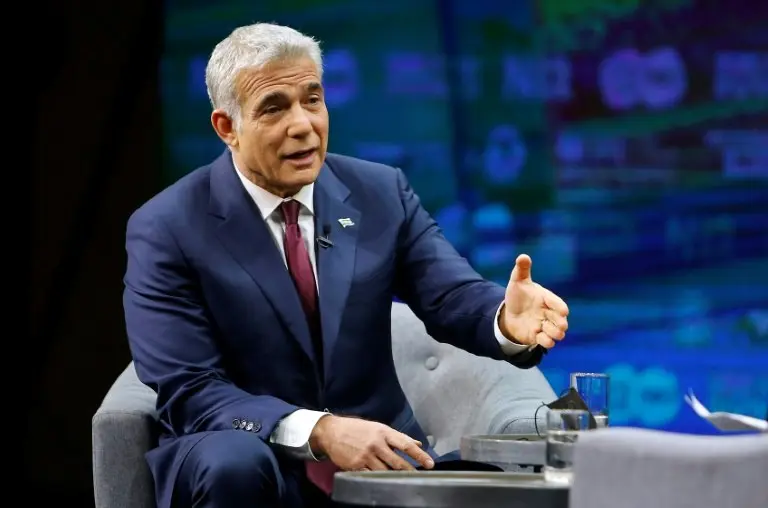
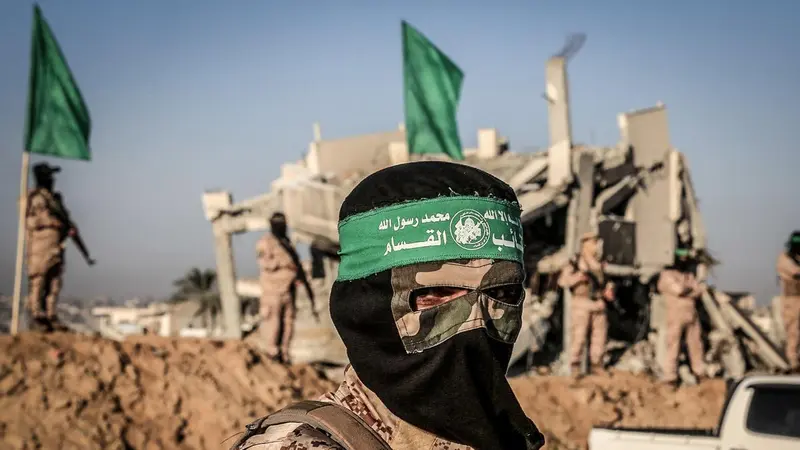
Israel will elect its 120-seat Knesset, its parliament, on October 27. It is the country’s first election since the Hamas-led attacks of October 7, 2023, and it comes after months of political strain.
The vote uses nationwide proportional representation, and parties need 3.25 per cent of the vote to enter parliament. Polls published before a ban on new surveys took effect pointed to no clear path to a majority for either side.
A KAN poll projected 52 seats for the opposition alliance and 50 for Netanyahu’s bloc, with the remaining seats going to smaller parties, including Arab-led lists. About 7.3 million Israeli citizens are eligible to vote, including about 1.2 million Palestinian citizens of Israel.
The main blocs
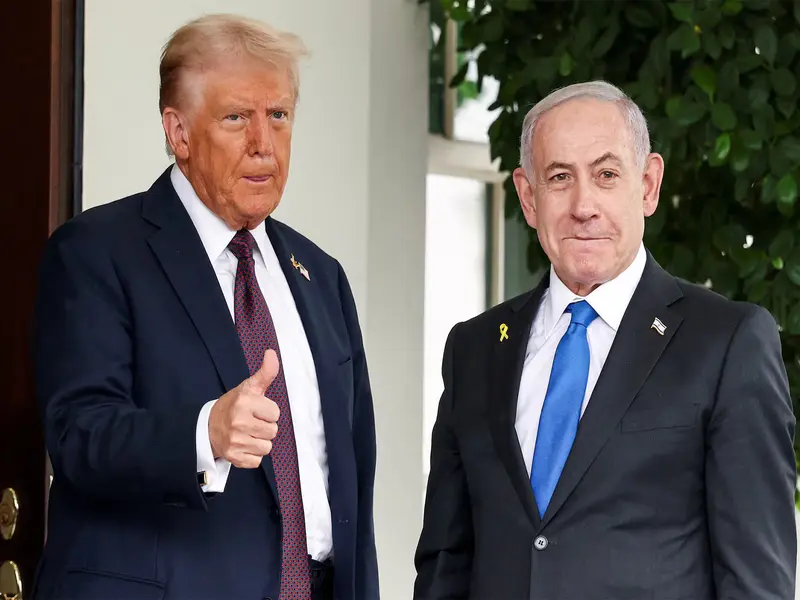
Benjamin Netanyahu’s Likud leads a pro-government bloc backed by far-right and ultra-Orthodox parties. Those allies include United Torah Judaism, Shas, Otzma Yehudi and Religious Zionism-Zehut, led by Itamar Ben-Gvir and Bezalel Smotrich.
The opposition is more fragmented. It includes Gadi Eisenkot’s centrist Yashar party, the Democrats led by Yair Golan, Avigdor Lieberman’s Yisrael Beiteinu and the Together alliance led by former prime minister Naftali Bennett, which is joined by Yair Lapid’s Yesh Atid.
Netanyahu, Israel’s longest-serving leader, has been prime minister for nearly 19 years across three non-consecutive terms since 1996. He is seeking to extend his tenure while facing allegations of fraud, breach of trust and bribery, which he denies, as well as an International Criminal Court arrest warrant issued in 2024 over alleged war crimes and crimes against humanity.
Security, courts and the draft
The campaign has been dominated by accountability for the security failures before the October 7, 2023 Hamas-led attack, the war that followed and the legal and political fallout. Netanyahu’s opponents say the vote is also about his efforts to curb the courts, which triggered mass protests in 2023.
Ultra-Orthodox military exemptions have added to the pressure. Netanyahu depends on Shas and United Torah Judaism for support, while those parties want legislation that shields yeshiva students from conscription. After the arrest of about 40 Haredim, the ultra-Orthodox Jewish community, for draft evasion this month, Netanyahu said the arrests were a deliberate attempt to harm the drafting process.
Netanyahu says there will be no Palestinian state. Eisenkot says the principle of two states for two peoples is a mistake. Bennett opposes Palestinian independence and supports settlements in the occupied West Bank.
What happens after the vote
Israel’s election law means the biggest party does not automatically form a government. The president consults political factions and appoints a lawmaker to attempt to form a coalition with at least 61 lawmakers.
If no bloc can reach that number, Israel could face a minority government or another election. The post-vote arithmetic will also depend on Arab-led parties, after the Central Elections Committee tried to bar the Joint List and Ra’am before the Supreme Court reversed the decision.
The court also forced Balad leader Sami Abu Shehadeh to withdraw from the race over an article in which he described the October 7 attacks as an important historical event.

Comments
To comment, sign in or create an account. Sign in Create an account
No comments yet.