

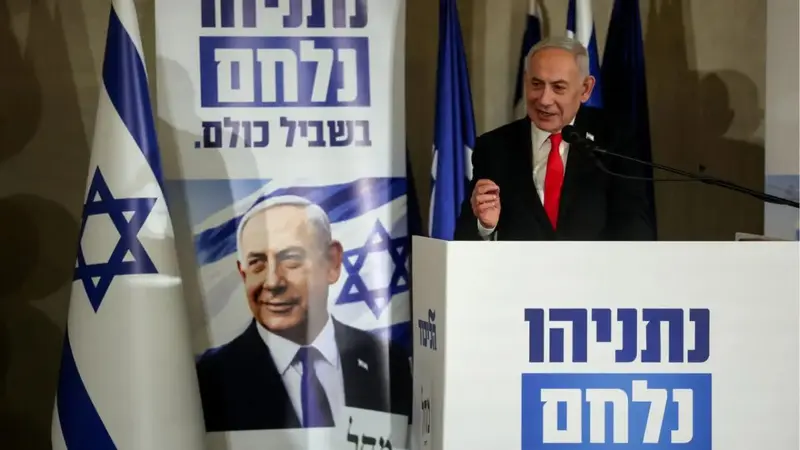
An average of polls reported on October 11 put Netanyahu’s bloc and the Zionist opposition at roughly 52 seats each, according to a Uruguayan newspaper. Arab parties accounted for another 12 seats. A governing majority requires at least 61 of the Knesset’s 120 seats.
Those figures leave both camps short of the support needed to govern. They also put coalition negotiations at the heart of the contest, with opposition parties divided over potential partners.
October 7 defines the security debate
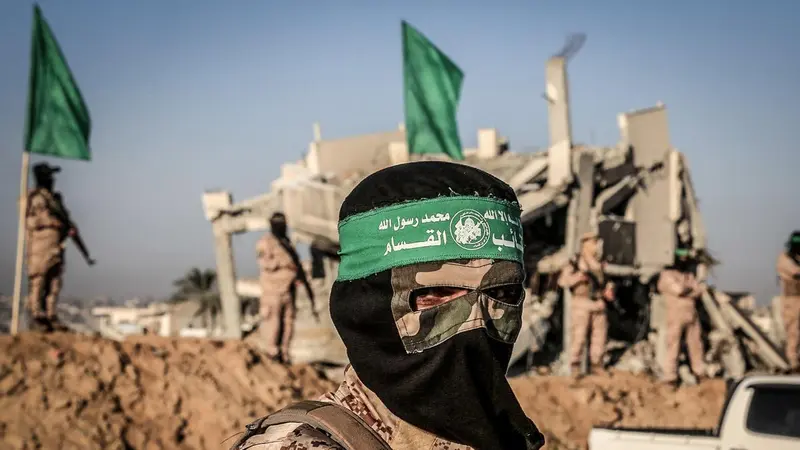
The Hamas-led attack of October 7, 2023 remains a central issue in the campaign. Netanyahu’s opponents hold him politically responsible for the security failures that preceded it and demand an independent state investigation.
Netanyahu, who leads the Likud party, has campaigned on his experience and a promise of firm security leadership. He has emphasised military deterrence and continued pressure on Iran.
AFP and Associated Press reporting describes many young and first-time voters moving towards right-wing parties that prioritise security. How much that shift could change the allocation of parliamentary seats remains unclear.
The opposition’s coalition problem
Among Netanyahu’s main challengers is Gadi Eisenkot, a former Israeli military chief who leads the centrist Yashar! party. Former prime minister Naftali Bennett and opposition figure Yair Lapid are also seeking to displace Netanyahu.
But opposition to the prime minister has not resolved disagreements over religion, borders or cooperation with Arab parties. Their support could prove decisive, yet several Jewish parties resist forming alliances with them.
Uri Weltmann, founder and organising director of the anti-Netanyahu movement Standing Together, said the alternative bloc was weak and militarist. He also warned that another Netanyahu victory would restrict democratic freedoms.
Standing Together plans to work with civil society organisations to defend voting rights and encourage Arab Israeli citizens to vote. Weltmann said their turnout at the previous election was 53%, compared with 70% nationally.
Religious parties press supporters to vote
Military-service exemptions for ultra-Orthodox religious students are another source of political friction. Netanyahu’s allies Shas and United Torah Judaism seek to preserve those exemptions, according to the Uruguayan newspaper.
Yinon Azoulay, a Shas member of parliament, urged supporters not to abstain in an interview with Kol Chai radio. He said staying home would weaken ultra-Orthodox representation and strengthen the left.
Azoulay portrayed the election as a defence of religious education and Jewish religious life. His appeal adds another mobilisation effort to a contest in which neither camp has secured the numbers needed to form the next government.


Comments
To comment, sign in or create an account. Sign in Create an account
No comments yet.