
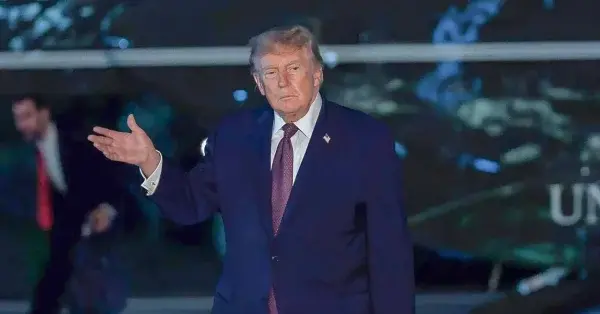
U.S. President Donald Trump addressed the UN General Assembly this week and threatened to “destroy” Iran. This harsh rhetoric came at a time when the administration is facing domestic political challenges, and the conflict with Iran is becoming a subject of growing controversy due to its alleged impact on energy prices and the global economy.
According to analysts cited in a report summarizing a Guardian article, a noticeable disconnect has emerged between the president’s display of military force and his current political standing. Inflation and rising fuel costs persist in the U.S., and Trump’s approval rating, according to data cited in the article, has dropped to 29 percent. Critics also point to the administration’s legal setbacks and signs that some Republicans are distancing themselves from him.
Courts Are Curbing the Administration’s Decisions
In recent weeks, the Trump administration has faced several rulings that have affected its economic, electoral, and communications agendas. The Federal Reserve did not support the president’s position on interest rates. The Supreme Court blocked the administration’s attempt to impose new restrictions on mail-in voting in the November midterm elections.
Another court barred Trump from adding his name to the title of the Kennedy Center cultural complex. Following this, the president threatened to tear down the national cultural landmark. Yet another ruling required the administration to restore access to three media outlets that the White House had previously barred from covering the president.
These rulings do not strip the president of his formal powers. However, political opponents view them as signs that the administration’s actions are increasingly encountering institutional constraints.
Some Republicans are beginning to distance themselves
Additional pressure is emerging within the Republican Party. Ahead of the congressional elections, in which control of the legislature will be contested, some candidates have become more cautious about discussing their ties to Trump.
In Florida, Republican gubernatorial candidate Byron Donalds has removed a significant portion of references to the president from his campaign website. Congresswoman Maria Elvira Salazar has released campaign ads in which she stated that federal immigration policy has gone “too far” and that Latino voters feel betrayed.
Strategist Rick Wilson, co-founder of the anti-Trump organization the Lincoln Project, linked these moves to Republicans’ concerns about the electoral fallout from the war, energy prices, and food costs. In his view, voters are increasingly linking these issues directly to the president.
Criticism from Portugal Over the Conflict’s Consequences
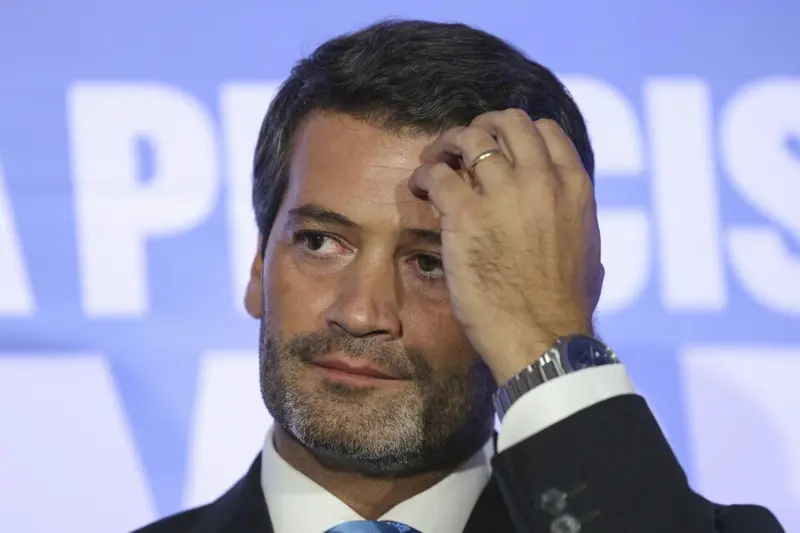
On September 26, André Ventura, leader of the Portuguese party Chega, also criticized Trump’s actions. Speaking in Ericeira after a meeting of the Patriots for Europe foundation, he stated that the U.S. president had made many mistakes over the past month and that the war with Iran is affecting the global economy and fuel prices.
“It is unfair that one country starts a war while the rest have to bear the costs of that war,” Ventura said.
According to him, Portugal, Spain, France, and Italy are particularly affected: these countries, the Chega leader claims, are paying more for the consequences of the conflict than the U.S. However, the published materials do not provide independent calculations confirming the extent of such differences or a direct causal link between the hostilities and price changes.
The White House Rejects Talk of a Decline in Influence
The U.S. administration disagrees with the assessment that Trump’s influence is waning. White House spokesperson Davis Ingle called him the “undisputed leader,” the chief communicator, and a key mobilizer for the Republican Party. Administration officials state that the president intends to maintain the Republican majority in Congress, pointing to tax cuts for working Americans, lower prescription drug prices, strengthened border security, increased energy production, and the creation of more than one million private-sector jobs.
The upcoming midterm elections could shift the balance of power in Washington. If the Democrats gain control of the House of Representatives, they reportedly intend to investigate the possible use of the presidency to benefit the Trump family and his allies, changes in the federal administration, and costly construction projects.
Against this backdrop, discussions are already beginning about the future of the Republican Party after the end of Trump’s second term. Among the potential figures who may attract attention in connection with the 2028 election are Vice President J.D. Vance and Secretary of State Marco Rubio. Political analysts emphasize that even a decline in popularity and increased criticism within the party do not automatically mean the president will lose significant authority.


Comments
To comment, sign in or create an account. Sign in Create an account
No comments yet.