

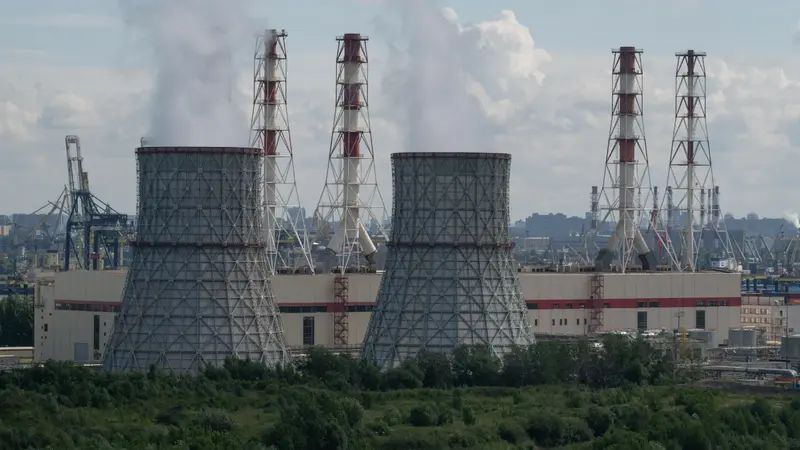
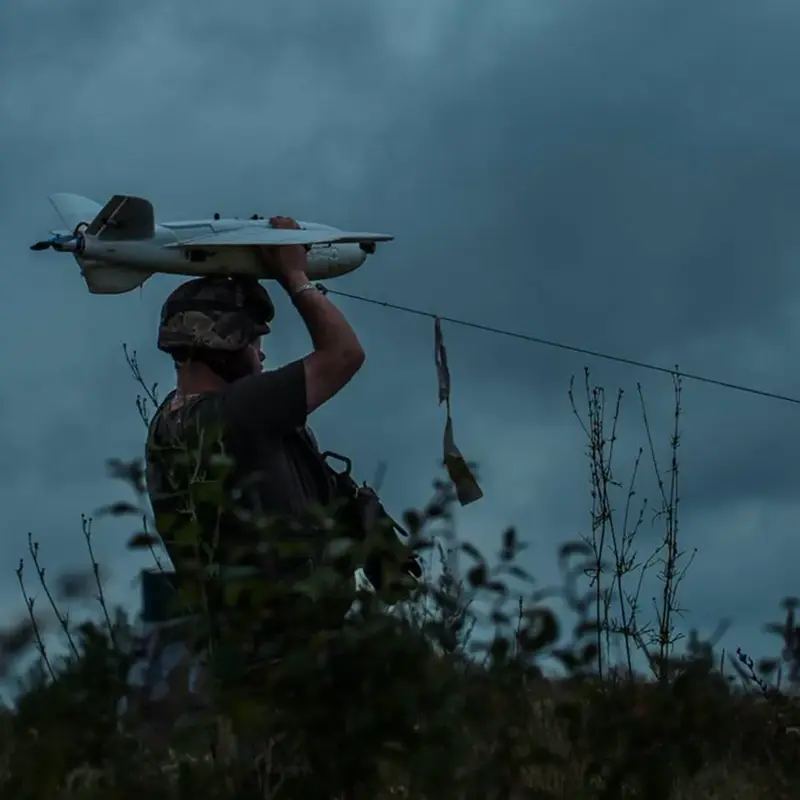
Ukrainian drone attacks have hit Russian oil refineries and fuel infrastructure, while gasoline sales are being limited at some stations in several regions, Blackout News reports. The extent of the disruption remains unclear: reports use different measures of the refinery capacity affected, and neither establishes how much production is actually offline.
Different measures of the disruption
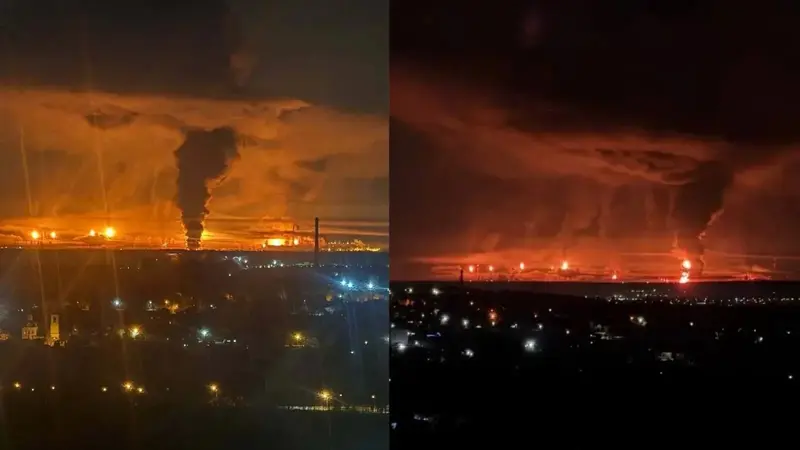
Business AM, citing The Moscow Times, says attacks on at least nine refineries hit facilities accounting for about 55% of Russia’s fuel production. Its list includes the Omsk refinery, hit on November 11, and the Volgograd plant, attacked on November 13, as well as facilities at KINEF, NORSI, Ryazan, Slavneft-YANOS, Novokuybyshevsk, Ufa and Afipsky.
Blackout News gives a different measure: it says nine of Russia’s 35 major refineries suffered incidents or operating disruptions within a week. The affected plants have a combined nameplate capacity of about 300,000 tonnes of crude a day, or roughly 30% of the country’s total refining capacity. That figure describes the capacity of the affected facilities, not capacity confirmed to be shut down. Industry sources cited by the outlet estimated that attacks could cut daily refinery throughput by as much as 200,000 tonnes from about 700,000 tonnes at the end of October, but the actual reduction is uncertain.
The percentages are therefore not directly comparable: one is reported as a share of fuel production, the other as a share of nameplate crude-processing capacity at affected plants.
Petrol limits and short reserves
Blackout News reports that Rosneft stations have capped gasoline sales in several regions, with limits of 30 litres at city stations and, in some cases, 50 litres on highways. Restrictions have been reported in Buryatia, Karelia and Transbaikalia, among other areas. The outlet says Russia’s gasoline surplus is only about 10–15% of domestic consumption, while diesel production is roughly twice domestic needs. It also reports that Russia is importing gasoline from Turkey, Morocco and Egypt while continuing to export diesel.
Sergei Vakulenko, a senior researcher at the Carnegie Russia Eurasia Center, said some plants may have stopped operating completely. He estimated that stocks built during a brief October lull would last only about seven days at normal domestic consumption levels.
Port and civilian impacts
Attacks have also affected export infrastructure. Explosions and fires were reported at a fire at Ust-Luga port, a major Baltic trading hub near St Petersburg, after warnings of drone threats. Blackout News reported that three workers were injured and a power-supply facility was knocked out; the extent of any export disruption was not known.
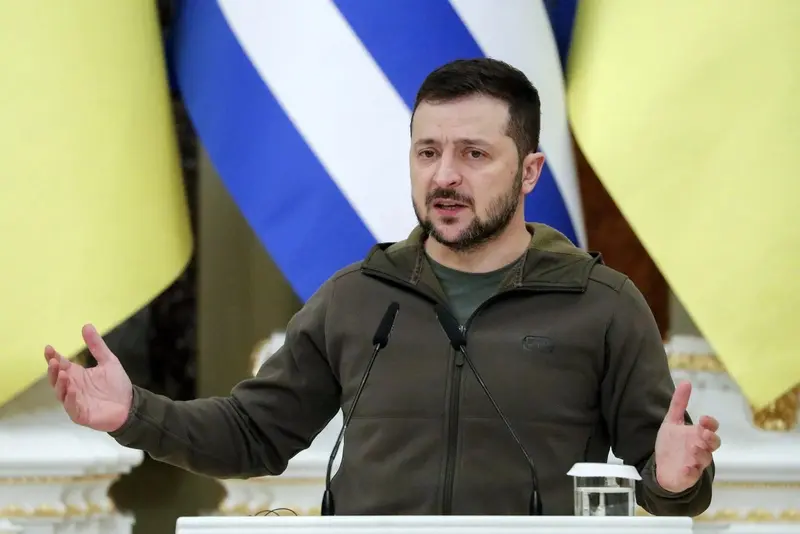
Blackout News also reported that a woman was killed by falling drone debris in Vsevolozhsk on November 9 and that a residential building was damaged. The outlet says the renewed attacks followed the end of a pause in strikes on energy facilities announced by US President Donald Trump. Moscow accused Kyiv of ignoring US appeals to pause such attacks, while Ukrainian President Volodymyr Zelensky pointed to Russian attacks on Ukraine’s electricity grids, heating systems and water supplies. The sources do not establish how long the refinery disruptions or fuel restrictions will last.

Comments
To comment, sign in or create an account. Sign in Create an account
No comments yet.