

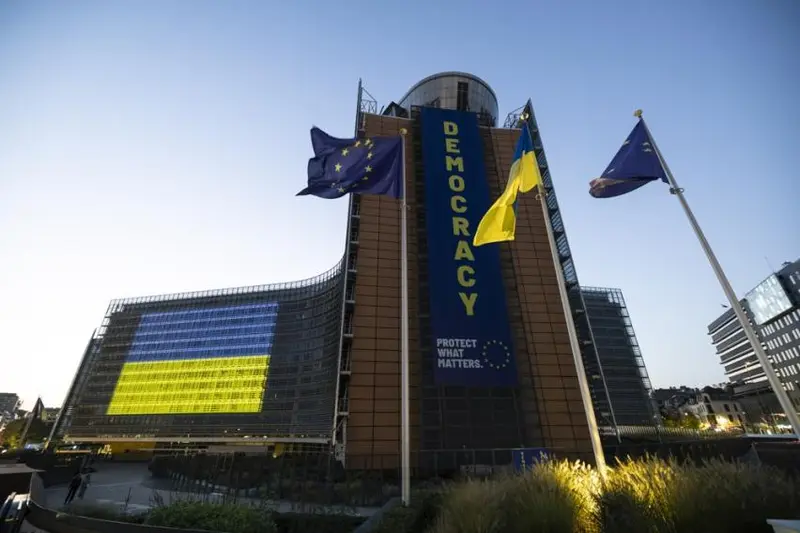
European Union ambassadors have agreed politically on new sanctions listings covering 145 people and entities, Reuters reported, citing European diplomats. The agreement does not put new restrictions into force: EU foreign ministers are expected to consider and adopt the lists on November 16, and the measures will take legal effect only after publication in the EU’s Official Journal.
Three tracks, 145 proposed listings
Reuters reported that 113 of the proposed listings fall under the EU’s main sanctions regime concerning actions that affect Ukraine’s territorial integrity. Targets include 50 Russian banks, as well as companies and people linked to the “shadow fleet” — networks associated with shipping Russian oil — energy companies and Russian businesspeople.
A further 31 people and organisations are to be added under the EU regime targeting hybrid activities and foreign manipulation. One more person is to be listed under the bloc’s cyberattack regime. Together, the three categories account for all 145 proposed additions.
The breakdown shows that the agreement spans financial and energy targets as well as alleged hybrid and cyber activity. It adds names to existing EU sanctions frameworks, rather than bringing the new measures into force immediately. The EU has maintained sanctions against Russia since 2014 and expanded them significantly after Russia’s 2022 invasion of Ukraine.
What the agreement means — and what remains pending
The distinction between political agreement and legal effect matters for those named. Under the EU’s existing restrictions, listed people and entities can face asset freezes and a ban on EU individuals and companies making funds or economic resources available to them. Listed individuals can also be barred from entering or transiting through the bloc. The new measures are not yet in force, however, and their specific terms for each listing have not been detailed.
The next step is formal adoption by EU foreign ministers, expected at their November 16 meeting. Publication in the Official Journal would then make the restrictions legally effective. Until that happens, the ambassadors’ agreement remains political.
A reported link to a German airport incident
One European diplomat told Reuters that some of the proposed sanctions targeting hybrid activities are linked to an attempted drone attack at Leipzig/Halle airport in Germany. In August, a drone carrying explosives was found near a Ukrainian aircraft, and German authorities accused Russia of being behind the incident.
Moscow denies involvement in hybrid operations, sabotage in NATO countries or preparations for such a confrontation. European Council President António Costa condemned the attempted attack and said the EU would work with Germany and other member states to increase pressure on Russia. The reported connection between the incident and some proposed listings remains attributed to the diplomat; the lists themselves have yet to take legal effect.

Comments
To comment, sign in or create an account. Sign in Create an account
No comments yet.