

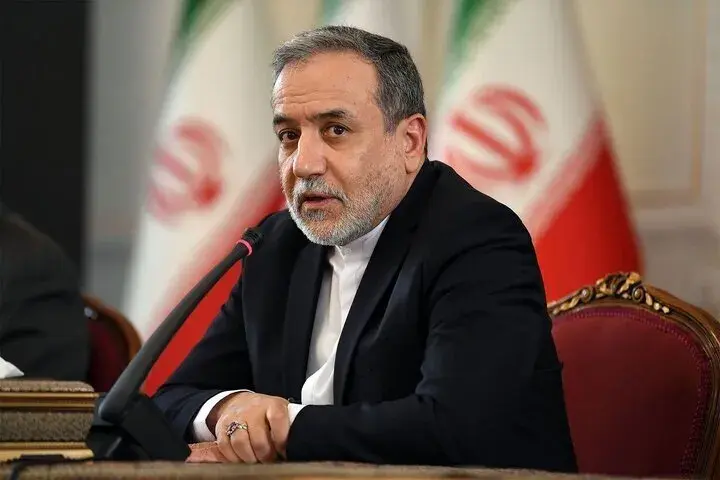
Iran has proposed an agreement to the U.S. that calls for the restoration of normal shipping through the Strait of Hormuz within seven days after the agreed-upon conditions are met. Iranian Foreign Minister Abbas Araghchi announced the initiative on September 26 on the sidelines of the UN General Assembly in New York. According to him, the proposal was conveyed to the U.S. side via Qatar.
Araghchi stated that the strait could be opened “if the necessary conditions are met.” This refers to the provisions of the memorandum of understanding signed in June. The Iranian minister emphasized that preparations for the agreement can begin immediately if Washington demonstrates a willingness to reach a deal.
Tehran’s Conditions
Iran links the reopening of the waterway to the cessation of hostilities on several fronts, including Lebanon, as well as a change in U.S. policy regarding economic pressure. Among Tehran’s demands are an end to the naval blockade of Iranian ports, the unfreezing of frozen assets, and the lifting of restrictions on the sale of Iranian oil.
According to sources, the June memorandum included 14 points. Iran pledged not to develop nuclear weapons, and the parties were to cease military operations on all fronts. The document also provided for the resumption of nuclear inspections and measures to ensure the safe passage of commercial vessels through the strait. Tehran discussed separate agreements on the future management of shipping with Oman.
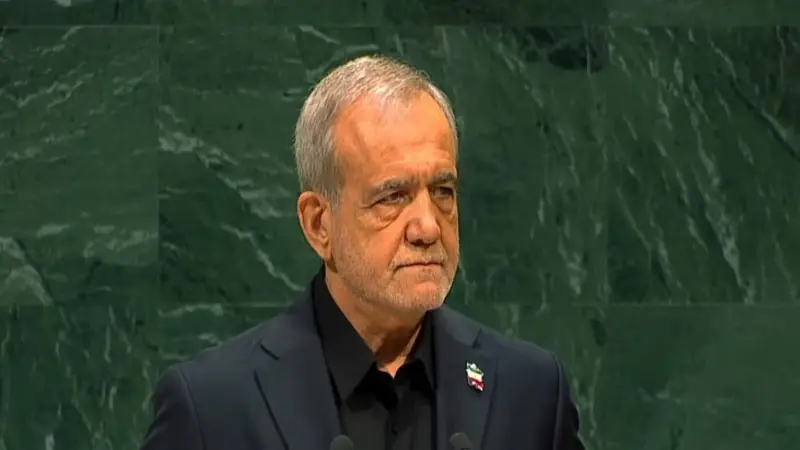
Iranian President Masoud Pezeshkian stated that the ceasefire process could begin immediately after the proposal was accepted. In an interview with CBS News, he also said that Tehran was ready to allow UN inspectors and to discuss its nuclear program as part of the negotiations. At the same time, Iranian officials insist that the country will not relinquish its nuclear rights and will not agree to negotiations under pressure.
The U.S. position remains unclear
A U.S. official told the BBC that indirect talks with Iran are proceeding positively. The U.S. representative described the contacts as constructive but noted that Washington considers itself to be in a strong position and is in no hurry to reach an agreement.
At the same time, The Wall Street Journal, citing U.S. officials, reported that Donald Trump has rejected the Iranian initiative and doubts Tehran’s willingness to meet his demands. The publication also reported that the president discussed with his aides the possibility of resuming airstrikes after the November congressional elections. The White House has not publicly confirmed these reports.
Sources also disagree on the issue of an official U.S. response: according to some reports, Washington has not yet provided one; according to others, Trump has already rejected the proposal. Earlier, the U.S. president said that an agreement with Iran could be reached after the November elections, while at the same time calling for increased economic pressure on Tehran.
The Strait Remains a Flashpoint
The Strait of Hormuz between Iran and Oman is one of the key routes for global energy trade. Before the current conflict began, about 20% of global oil and liquefied natural gas shipments passed through it. Restrictions on shipping have caused sharp price fluctuations in energy markets and increased pressure on the governments of countries in the region.
However, reports of a complete halt to shipping do not align with data showing that transits are continuing. According to information cited by Reuters, citing the analytics firm Kpler, the average number of transits over the past ten days was about 18 ships per day, dropping to as low as nine on some days.
Washington and Tehran had already reached an agreement in June, but it collapsed shortly after it was signed, and the parties resumed attacks. The conflict began following U.S. and Israeli strikes against Iran on February 28. In response, Iran launched strikes against Israel, U.S. targets in the region, and U.S. Arab allies in the Persian Gulf, and the passage of ships through the strait was significantly restricted.
Regional Implications
The negotiations are taking place against a backdrop of ongoing tensions in other parts of the Middle East. Iran-backed Houthis are attacking targets linked to Saudi Arabia, including oil infrastructure. The Saudi-led coalition reported intercepting missiles and drones launched toward the kingdom.
The situation is also affecting the shipping route through the Red Sea and the Bab el-Mandeb Strait. According to sources, the Houthis have intensified pressure on this corridor and established control over several coastal areas, including the port of Mocha. Against this backdrop, representatives from Saudi Arabia, Turkey, and Pakistan discussed strengthening defense cooperation.
France is also working on a draft UN Security Council resolution regarding an international mission to protect freedom of navigation in the Strait of Hormuz. So far, diplomatic contacts have not led to a new agreement, and Iran’s conditions and U.S. demands remain the subject of negotiations.

Comments
To comment, sign in or create an account. Sign in Create an account
No comments yet.