
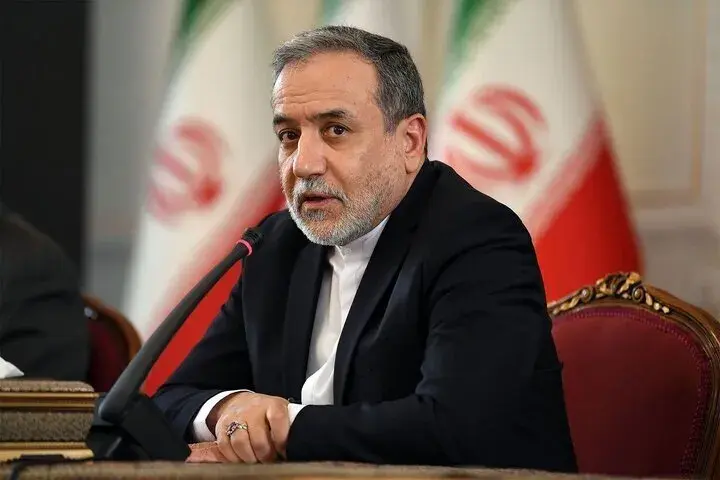
Iran is awaiting the mediators' final position on its proposals regarding the reopening of the Strait of Hormuz and the continuation of diplomatic negotiations. Iranian Foreign Minister Abbas Araghchi said that Tehran has already received an initial response from U.S. President Donald Trump, but a final response through the mediators has not yet been received.
According to the head of Iran’s Foreign Ministry, the conditions for opening the Strait and advancing the negotiation process were determined at the level of Iran’s Supreme National Security Council. Araghchi stated that these provisions were discussed in detail during meetings with the mediators and subsequently conveyed to the American side.
Tehran is making further steps contingent on the mediators’ response
Araghchi noted that the Iranian side has consistently defended its conditions at diplomatic meetings and presented various plans for a settlement. However, he did not disclose the content of the proposals nor specify which mediators are involved in conveying positions between Tehran and Washington.
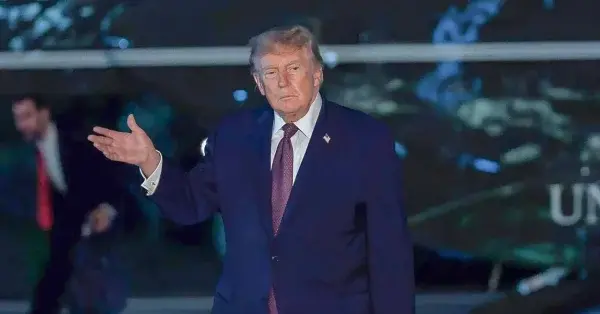
The minister stated that Iran will make further decisions after receiving the final position through the mediators. He emphasized that any progress on the issue of opening the Strait of Hormuz will depend on the fulfillment of the conditions set forth by Tehran. Araghchi did not disclose the content of Donald Trump’s initial reaction, limiting himself to noting that the U.S. president had made various—including contradictory—statements.
Thus, the negotiation process remains in a holding pattern, awaiting a formal response from the U.S. According to the Iranian publication “Negar,” the Iranian side asserts that it has not closed the diplomatic channel but does not intend to back down from its stated demands.
Moscow Proposed Returning to the Islamabad Memorandum
Russian Foreign Minister Sergey Lavrov, commenting on Washington’s rejection of Tehran’s proposals, called the decision “clumsy.” According to him, this is not the first time the U.S. has rejected a plan proposed by Iran, including the seven-day framework discussed in the context of the negotiations.
Lavrov stated that a return to the Islamabad Memorandum between the U.S. and Iran could serve as an alternative. The Russian minister described this document as a fair agreement signed at the highest level and questioned why it could not be revisited. The source did not provide details of the memorandum, so its content and current status remain unclear.
Lavrov made these comments at a press conference following his address to the 81st session of the UN General Assembly. In addition to the situation surrounding the Strait of Hormuz, the Russian minister criticized the implementation of UN Security Council resolutions and stated that NATO seeks to expand its influence beyond its geographical area of responsibility, including in Southeast and Northeast Asia.
Negotiations remain on hold pending further developments
Iranian statements indicate that Tehran views the mediation channel as the primary mechanism for obtaining Washington’s final position. Until such a response is received, Iran is not announcing any new steps to reopen the strait. At the same time, the Russian side advocates using the previously reached agreement as a basis for resuming dialogue.
Sources have not provided any information regarding the timeline for the U.S. to deliver its final response, possible future meetings, or changes to the shipping regime in the Strait of Hormuz.

Comments
To comment, sign in or create an account. Sign in Create an account
No comments yet.