
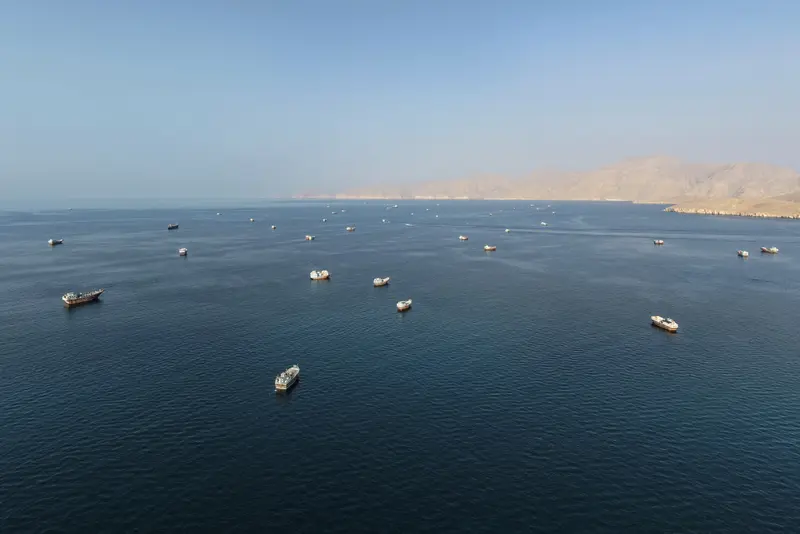
Oil prices fell in London and U.S. futures markets on October 5 as more Middle Eastern crude became available. A planned release of emergency reserves by the G7 also helped ease pressure on the market, despite continuing supply risks.
Brent, the international oil benchmark, fell 1.89% to $100.32 a barrel for December delivery. West Texas Intermediate, the U.S. benchmark, dropped 1.84% to $89.43 for November delivery.
Exports rise above pre-war levels
Middle Eastern crude exports, excluding Iran, exceeded pre-war levels the previous week, according to maritime-tracking company Kpler. Shipments topped 18 million barrels a day, including oil transported through the Red Sea.
Saudi Arabia and the United Arab Emirates restored their usual export flows. The Red Sea has become an increasingly used alternative to the Strait of Hormuz, where Iran has sought to restrict shipping.
The G7 countries agreed to release crude oil and diesel from emergency reserves. The releases remained planned; their detailed timing and whether deliveries had started were unclear.
Separately, OPEC+, the oil-producing alliance led by Saudi Arabia and Russia, left its November crude supply unchanged. It was the second consecutive month without a change.
Low stocks leave supply risks
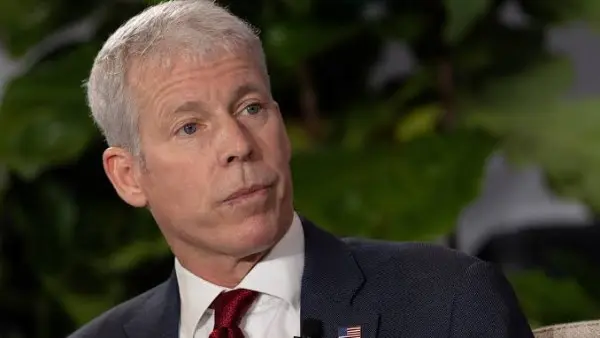
Amin Nasser, chief executive of Saudi oil company Aramco, said in London on October 5 that global oil reserves were dangerously low. He said rebuilding stocks could take up to two years, even after shipping through Hormuz returned to normal.
Analysts at Eurasia Group said further escalation by Iran or the United States could quickly push prices higher. They expected prices to remain elevated because of threats to regional oil flows.
The analysts cited attacks on Saudi oil infrastructure and Iran’s continuing efforts to control Hormuz. Those risks persisted even as the export figures showed an increase in available crude.
Iran reviews proposal through Qatar
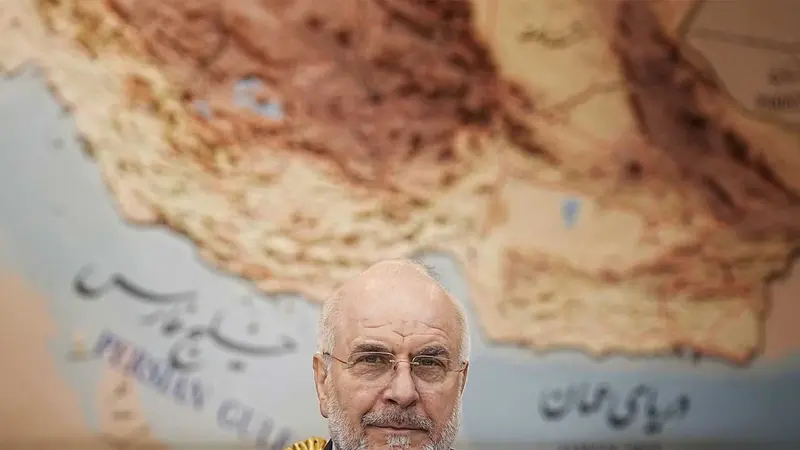
Iranian President Masud Pezeshkian said on October 5 that negotiating with the United States made no sense, according to Iranian state television Irib. Iran nevertheless said it was still reviewing a U.S. proposal delivered through Qatar.
Iran said it had passed preliminary considerations to Qatari mediators during indirect contacts with Washington. Iranian Interior Minister Eskandar Momeni also traveled to Doha on October 5 to meet Qatari officials. Qatar has acted as a mediator in efforts to end the U.S.-Iran war.

Comments
To comment, sign in or create an account. Sign in Create an account
No comments yet.