

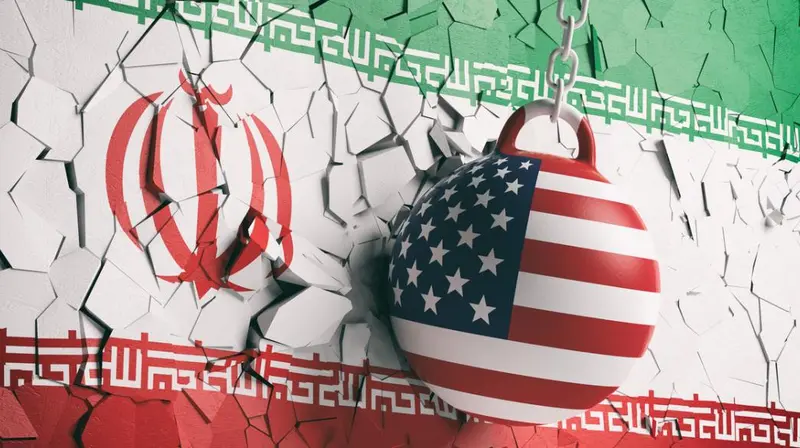
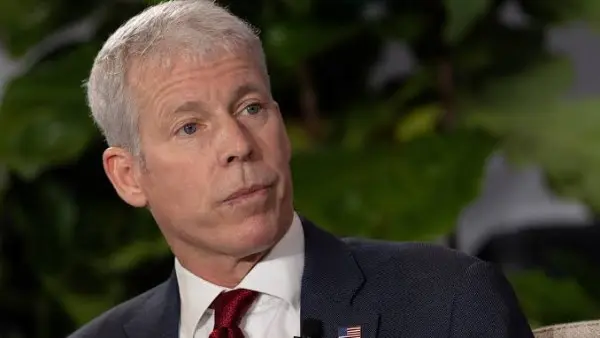
US Vice President JD Vance said Iran must substantially reduce its uranium-enrichment capacity to secure an agreement ending the war. He spoke to Reuters on October 5 after a campaign trip in Alaska. His remarks set out Washington's nuclear demands as the countries exchange peace proposals.
Washington seeks reductions, not promises
Vance said an agreement would require actual cuts to Iran's enrichment capacity, rather than assurances about future reductions. He said the United States remained open to a deal, but would require concrete Iranian nuclear concessions.
He questioned why Iran needed fuel enriched to 60% if it did not want a nuclear weapon. Vance said Tehran should stop producing highly enriched fuel to demonstrate a commitment not to build one. The scale and timing of the reductions Washington would accept remain unspecified.
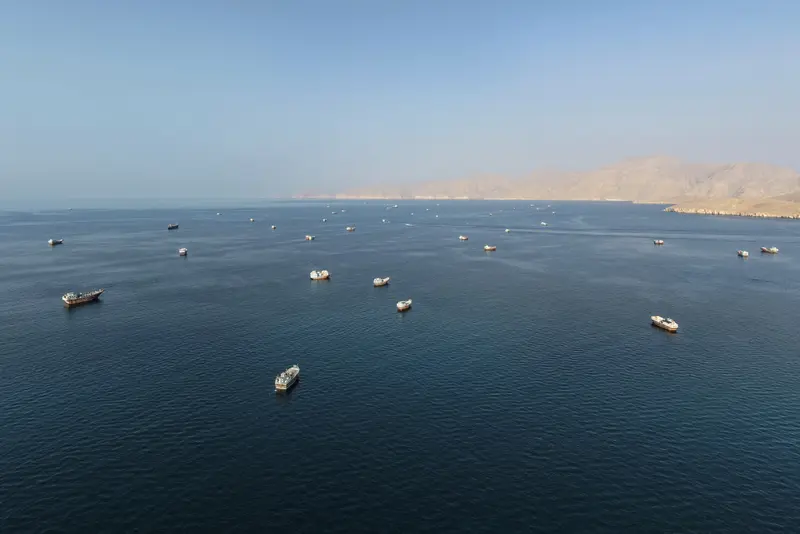
The United States and Iran have exchanged proposals in recent weeks to end the seven-month war. Those proposals also seek to reopen the Strait of Hormuz, a vital shipping route for global energy supplies.
According to Reuters, Vance has taken a leading role in negotiations. He brokered a provisional peace agreement in September, but it quickly fell apart. President Donald Trump rejected Iran's latest proposal and warned that military operations could intensify after November's congressional elections.
Iran disputes US account of decision-making
Vance said Washington was unsure how Iran makes decisions. He said US officials were talking with Iranian President Masoud Pezeshkian and Foreign Minister Abbas Araqchi, but questioned how much authority they held.
Iran's supreme leader, Ayatollah Ali Khamenei, was killed in joint US-Israeli strikes at the start of the war. Vance raised uncertainty about the Iranian officials' authority within the country's power structure following Khamenei's death.
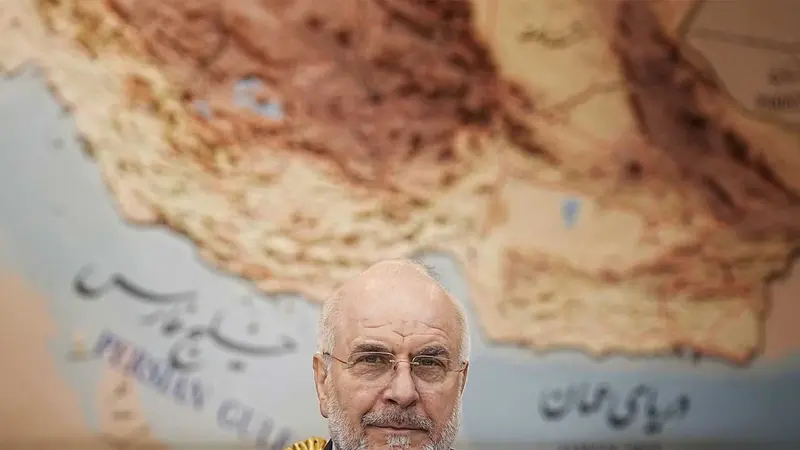
Iranian Foreign Ministry spokesperson Esmaeil Baghaei rejected Washington's account. He said US officials knew their Iranian counterparts and understood the country's decision-making system. Baghaei instead blamed contradictory positions and mixed messages from US officials.
Shipping and war costs remain concerns
Vance said he had spoken directly with field commanders to assess battlefield conditions. He dismissed concerns about critical ammunition shortages.
He also said Iranian forces could periodically strike commercial ships in the Strait of Hormuz. However, he said they were largely unable to prevent energy exports through the waterway.
Reuters put the war's cost at $3 billion a month. The agency reported that higher energy prices had become a political liability for Trump and Republicans ahead of November's elections, which will decide control of Congress.
Comments
To comment, sign in or create an account. Sign in Create an account
No comments yet.