

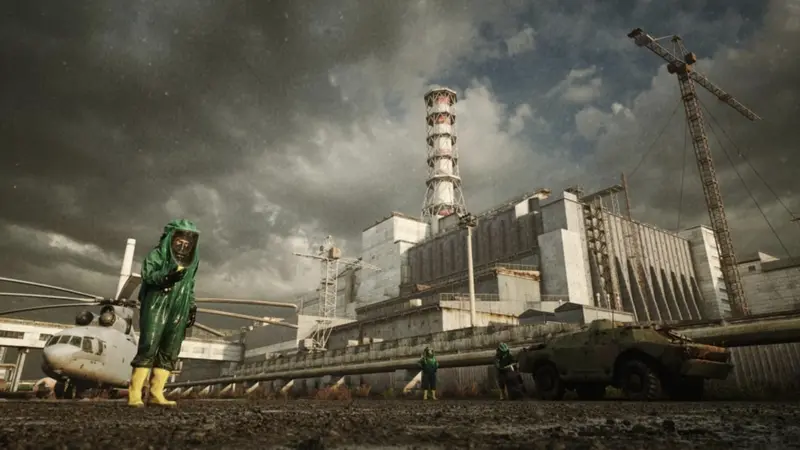
Nuclear-safety regulators representing 38 countries warned on Monday that the risk of an accident in Ukraine could rise this winter as attacks on energy infrastructure threaten the electricity supply that nuclear plants need to operate safely. They urged Russia to stop attacks on nuclear facilities and the power network that supports them.
The warning came in a joint statement by three organizations: HERCA, which brings together European radiation-protection authorities; WENRA, an association of Western European nuclear regulators; and NORA, the Nordic radiation-safety authorities. The regulators said the danger was growing amid Russia’s war against Ukraine and continuing attacks on its energy infrastructure.
The concern is that an unstable or interrupted power supply could make it harder for plants to keep nuclear fuel cool. In a severe scenario, cooling systems could fail and radioactive material could be released. The warning described a possible risk; it did not report a nuclear accident or radioactive release.
A nationwide blackout is the worst-case scenario
Per Strand, who heads HERCA and NORA, said Russian attacks had become more dangerous in recent weeks, citing drones carrying larger explosive payloads and with greater accuracy. He assessed that the risk of an accident would be at its highest this winter.
The most serious scenario outlined by the regulators is a nationwide blackout affecting all nine of Ukraine’s operating reactors at once. The International Atomic Energy Agency (IAEA) said military activity during the previous week had disrupted the country’s electricity grid and forced some nuclear power units to reduce output.
Zaporizhzhia depends on external power
Ukraine has four nuclear power plants, three of which are operating. The Zaporizhzhia plant, the largest in Europe, is under Russian control and is not generating electricity, but it still needs an external power supply for its cooling and safety systems.
The IAEA has said the plant has lost its external electricity supply 27 times since the war began, forcing it to use diesel generators. Since late March, it has relied on a single external power line. The regulators also called on European countries to improve coordination and prepare for a possible nuclear emergency, warning that a major incident could spread radioactive material beyond Ukraine.
Power cuts reported in eastern Ukraine
Separately, Novini247 reported major power cuts on November 16 in Kharkiv, Dnipro, Poltava and Zaporizhzhia following strikes on energy infrastructure. The report said public transport was disrupted and critical facilities switched to generators. Russia and Ukraine have accused each other of attacks that destabilized energy security and disrupted power lines.


Comments
To comment, sign in or create an account. Sign in Create an account
No comments yet.